


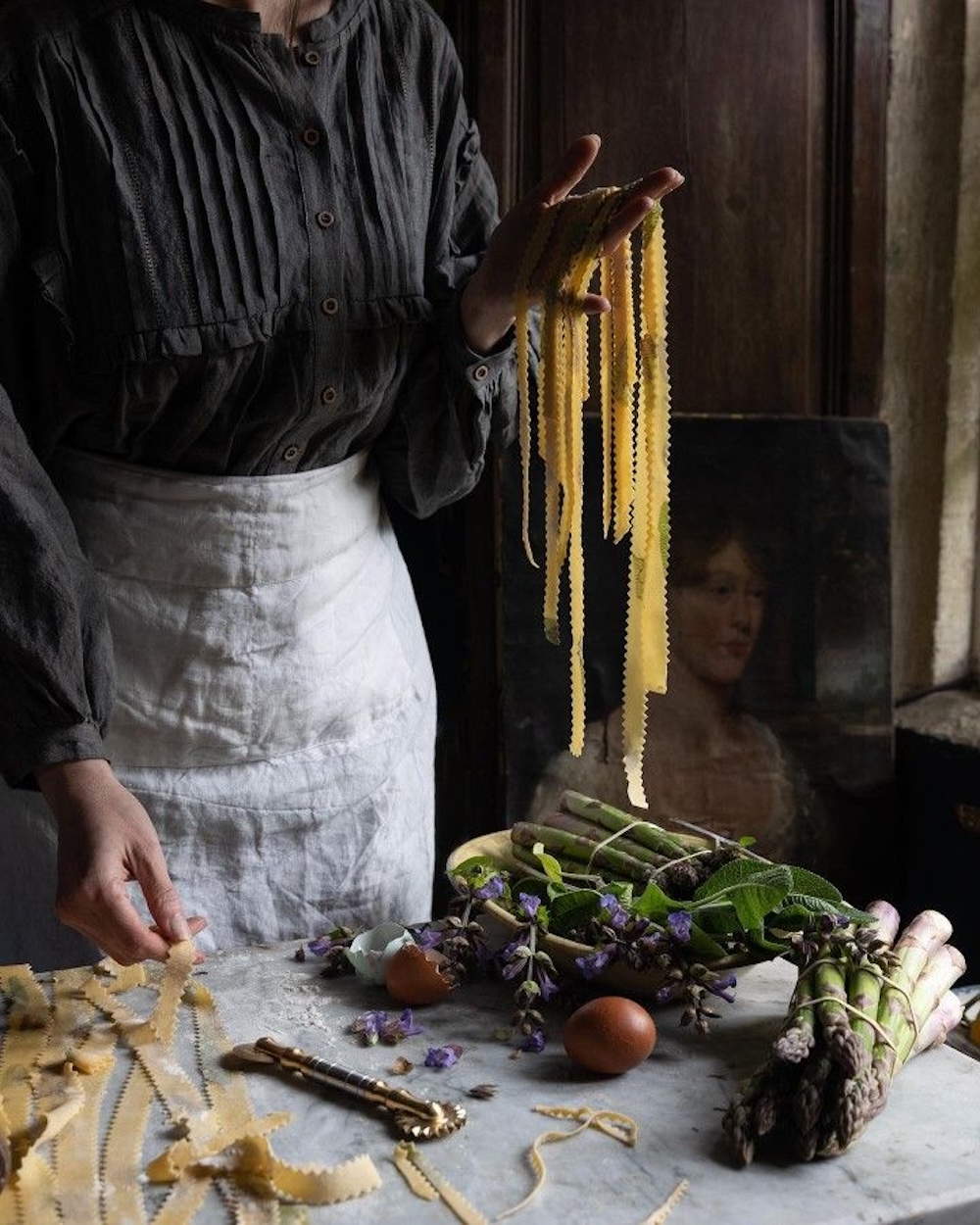
The Women Defining How the Hudson Valley Eats
It’s Foodie Month at INSIDE+OUT, our annual celebration of everything delicious Upstate NY— the farms, bakeries, markets, kitchens, and gathering places shaping how the Hudson Valley eats now. Here, food is less a trend than an expression of place. Landscape becomes flavor. Community gathers at the table. Memory turns edible.
Look closely at the region’s most compelling culinary stories, and a pattern begins to emerge.
They are increasingly shaped by women — chefs, bakers, butchers, shopkeepers, fermenters, and hosts — who trusted instinct over convention. Women who changed careers, crossed oceans, apprenticed seriously, restored old houses, milled grain, broke down whole animals, fermented patiently, and built places people return to again and again. Together, they are defining the Hudson Valley’s modern food culture — creating flavors that feel rooted yet alive, spaces that welcome lingering, and an epicurean identity both grounded and evolving.
Here are some of the women we’re raising a glass to — the ones creating the deliciousness that makes the Hudson Valley such an extraordinary place to eat, gather, and live.
The Wellness Alchemist
Laura Pensiero | Gigi Trattoria | Rhinebeck, NY
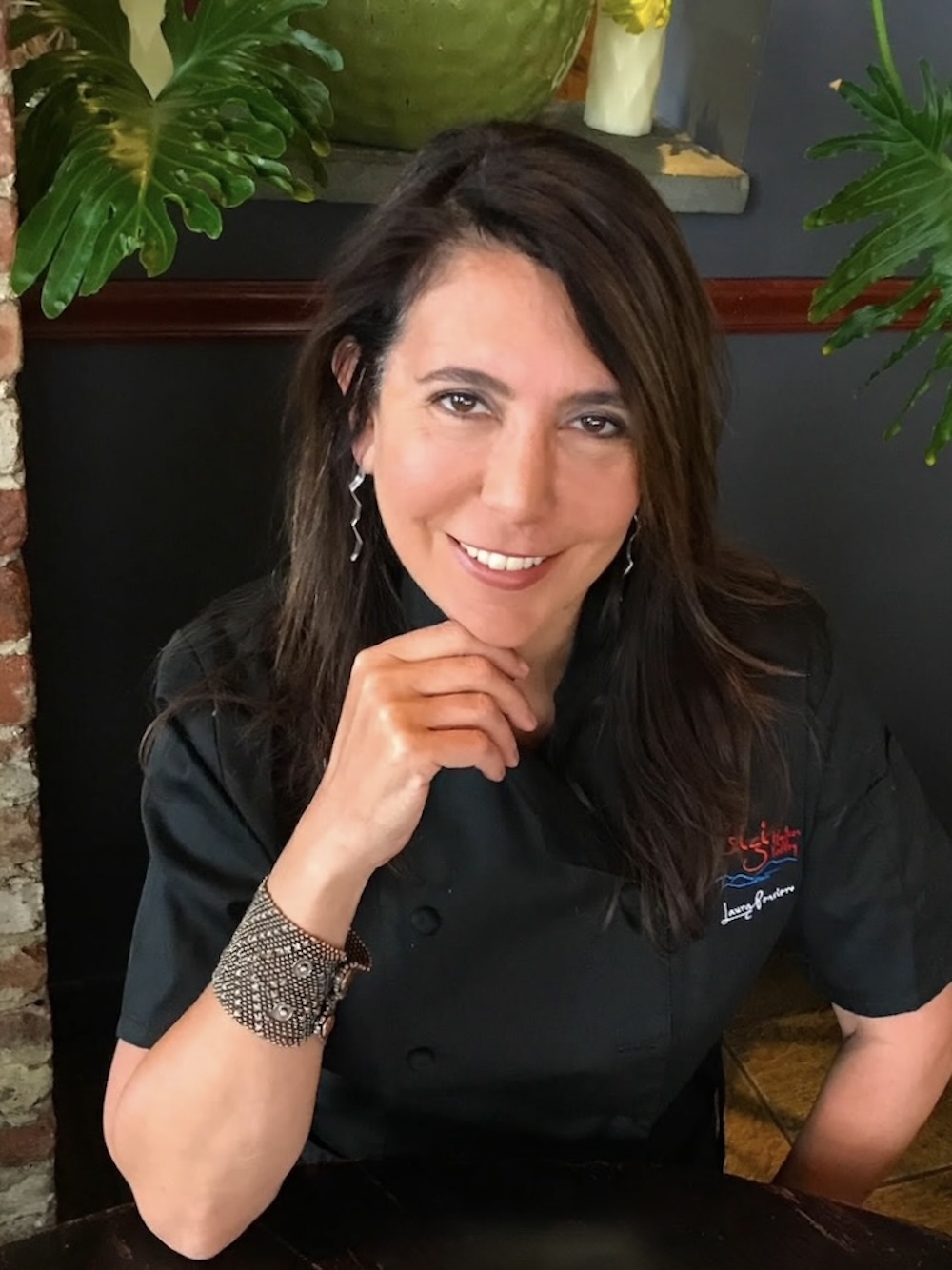
Long before “food as medicine” entered policy conversations and wellness headlines, Laura Pensiero was quietly practicing it at the table.
The chef, registered dietitian, and founder of Gigi Hudson Valley opened Gigi Trattoria in 2001, building a restaurant — and later a broader world of catering, private dining, and community gatherings — grounded in a simple but radical belief: nourishment must be pleasurable to be meaningful. Mediterranean culinary tradition meets evidence-based nutrition here, expressed not through restriction but through generosity — olive oil, seasonal produce, whole foods, balance, and above all, flavor. “If it isn’t craveable,” she often says, “it doesn’t belong.”
Pensiero’s career has moved fluidly between kitchens and clinics, from hospital nutrition programs and culinary education at Memorial Sloan Kettering to years studying how food can prevent illness rather than merely respond to it. She recently reflected on this evolution in her Sanctuary Magazine column, describing Gigi as a living example of the Food Is Medicine movement — not theory or white paper, but something experienced daily on a plate, in a dining room, and within a community.
At Gigi, health never announces itself loudly. It arrives as beauty, hospitality, and ease — a meal shared among friends, a conversation that lingers, a sense of well-being that feels natural rather than prescribed. The restaurant has become a gathering place for networking events, educational conversations, and collaborations that extend far beyond dinner service.
In the Hudson Valley, where agriculture and wellness increasingly shape cultural identity, Pensiero serves as a quiet bridge between science and pleasure, tradition and progress. She reminds us that the most powerful form of care may still begin with good ingredients, thoughtful cooking, and a table where people feel nourished in every sense of the word.
The Pantry Architect
Alison Roman | First Bloom | Bloomville, NY
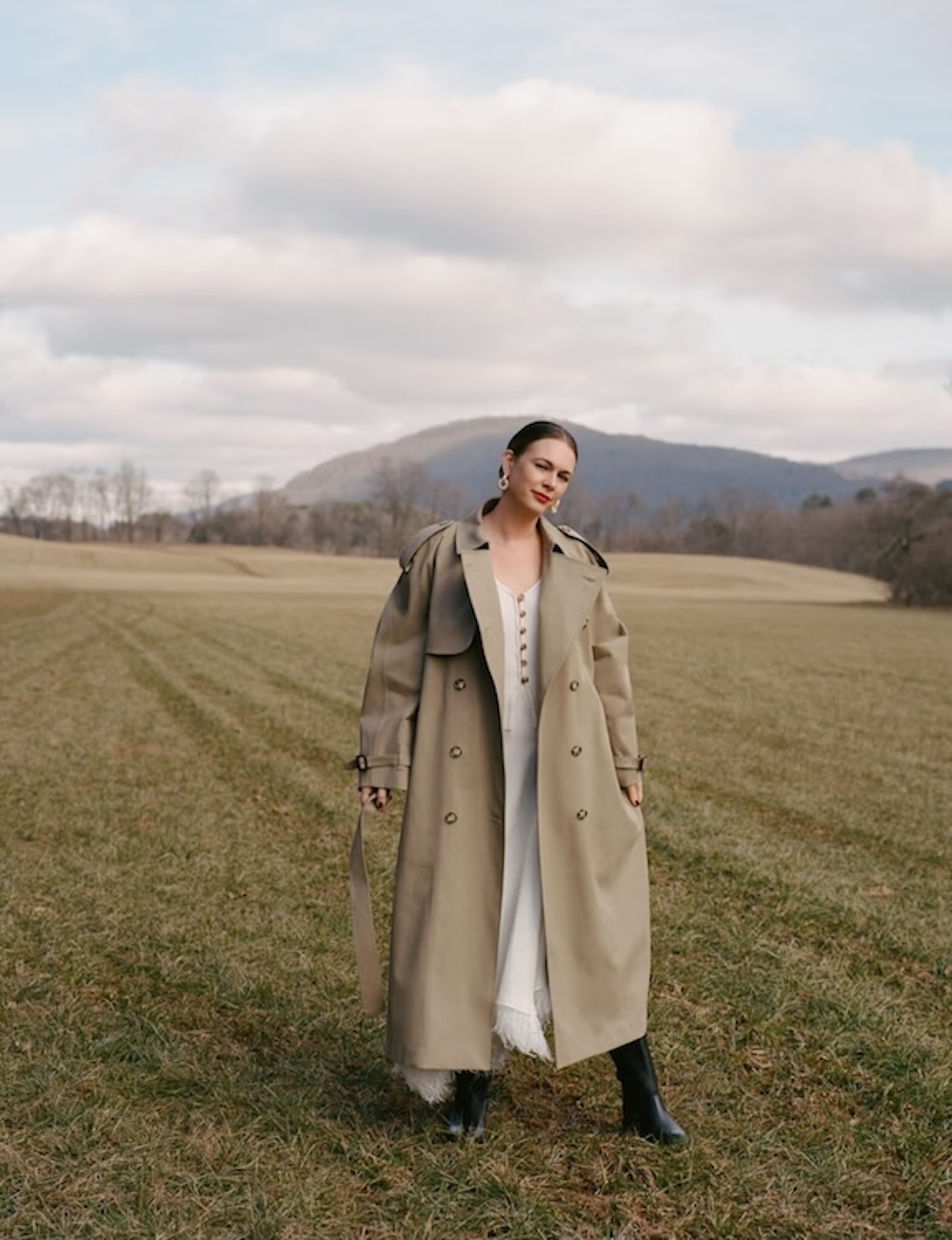
Photo by Katie Mccurdy
When Alison Roman opened First Bloom last fall in the former Table on Ten space in Bloomville, she didn’t arrive with a grand concept or manifesto. The idea was disarmingly simple: you need groceries to make dinner — so here they are.
A cookbook author, columnist, and one of the most influential voices shaping how a generation cooks at home, Roman translated her culinary philosophy into physical form. First Bloom is small by design, more thoughtful pantry than supermarket, stocked with the essentials she believes make everyday cooking effortless and joyful: excellent butter, proper parmesan, anchovies at two price points depending on whether you’re cooking or lingering with a glass of wine, eight shapes of pasta because shape matters, and snacks — many snacks — because pleasure matters too.
The shelves are intentionally restrained. Often there is just one choice per ingredient — the best one — though Roman happily breaks her own rules when passion intervenes: multiple mustards, heirloom beans, sardines she insists you need to know about. Much of the produce comes through local growers connected by 607 CSA, anchoring the shop firmly in Delaware County’s agricultural rhythm, with the occasional winter citrus arriving as a small act of mercy during colder months.
Designed to feel like one large, beautifully considered pantry — candles burning, hand-lettered signs, ceramics tucked among groceries — the store reflects Roman’s belief that taste is leadership and curation is care. She resisted early press attention, allowing the space to develop its own personality before being defined from the outside. Now it has: regulars stop in for broth, coffee, conversation, or simply to say hello.
In a region increasingly celebrated for serious food, Roman brings cultural gravity and humor in equal measure. She reminds the Hudson Valley that great food culture doesn’t begin in restaurants — it begins at home, with a well-stocked pantry and the confidence to cook.
The Seasonal Interpreter
Mikayla Summers | Isola Wine & Tapas | Kinderhook, NY
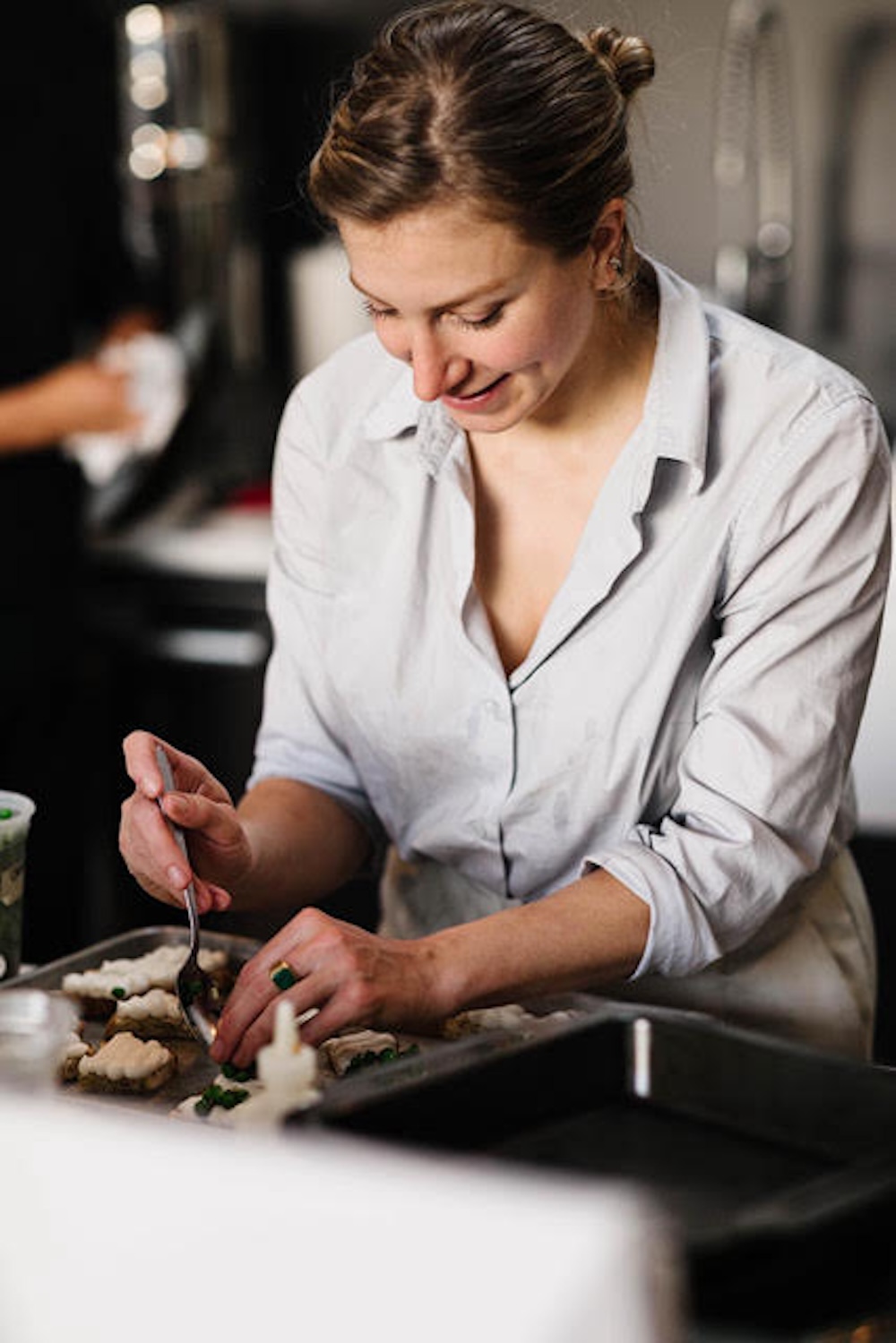
At Isola, Mikayla Summers cooks in close conversation with the seasons — attentive, intuitive, and guided by what the Hudson Valley offers at any given moment. A Culinary Institute of America graduate who trained in New York City kitchens under chefs including Jean-Georges Vongerichten, Dan Kluger, and Dan Barber, Summers arrived upstate with serious technical grounding but a distinctly personal philosophy: let the landscape lead.
Her menus evolve constantly, shaped as much by farmers’ harvests as by inspiration drawn from the coastal Mediterranean. One week may lean Provençal, another Tuscan or deeply Spanish — a fluid approach encouraged by Isola’s wine program and collaborative spirit. This spring, that vision comes to life through a series of paired dinners, including a Spanish-inspired Feria de Abril celebration and a “Spring in Sicily” menu highlighting the region’s first tender produce after winter’s long pause.
Summers thrives within these seasonal parameters. Rather than chasing endless options, she finds creativity in limitation — building dishes around what farmers harvest at peak flavor and allowing ingredients to dictate direction. Fresh pastas and gnocchi now appear regularly, while the menu shifts almost imperceptibly as winter roots give way to bitter greens, asparagus, ramps, and eventually the tomatoes she refuses to cook with out of season.
Her relationships with local growers shape everything. When farmers call to say something is ready, she adjusts the menu accordingly, treating seasonality less as trend than devotion. The result is food that feels alive to time and place — refined but deeply grounded.
The Grain Keeper
Nora Allen | Mel the Bakery | Hudson, NY
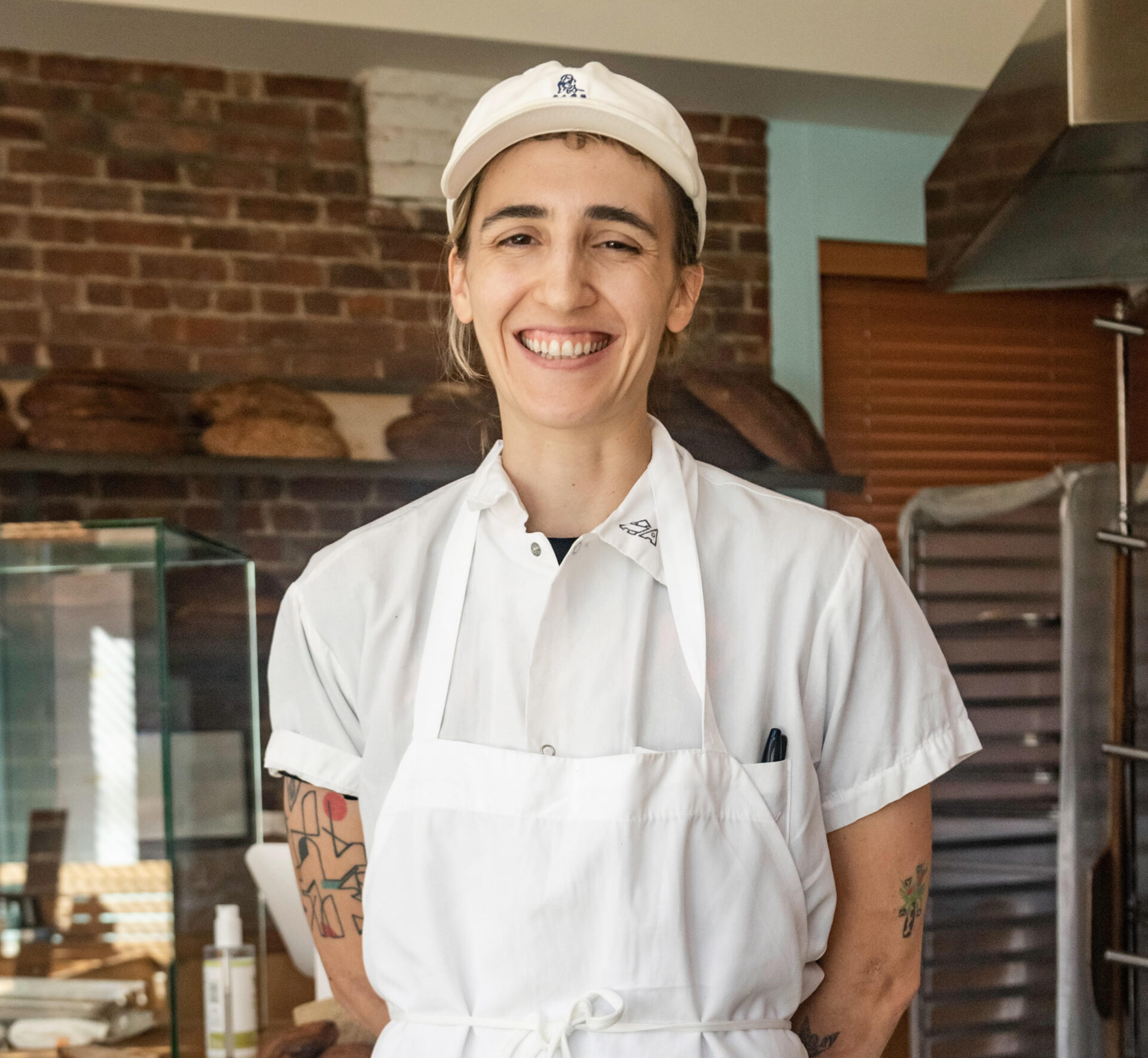
Few foods feel as elemental as bread, and few reveal more about a place.
A James Beard Award semifinalist with downtown credentials at Roberta’s and The Standard, Nora Allen came to Hudson not to replicate city cool but to deepen the region’s relationship to grain. She sources regionally, mills thoughtfully, and bakes loaves that taste unmistakably of where they’re grown.
Her devotion is practical rather than romantic. With every bake, she strengthens the agricultural web — connecting farmers, millers, and eaters — while hosting workshops that expand flour literacy the way winemakers speak about terroir.
In a Hudson Valley newly serious about bread, Allen quietly raises the standard, reminding us that grain has a geography — and that even an everyday loaf can carry a sense of place.
The Butcher
Barbara Fisher | Barb’s Butchery | Beacon, NY
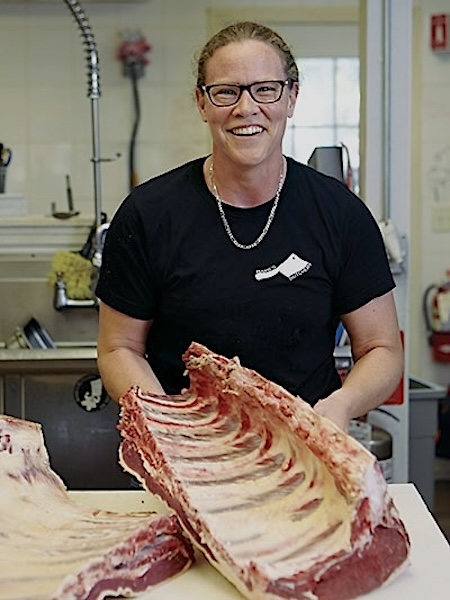
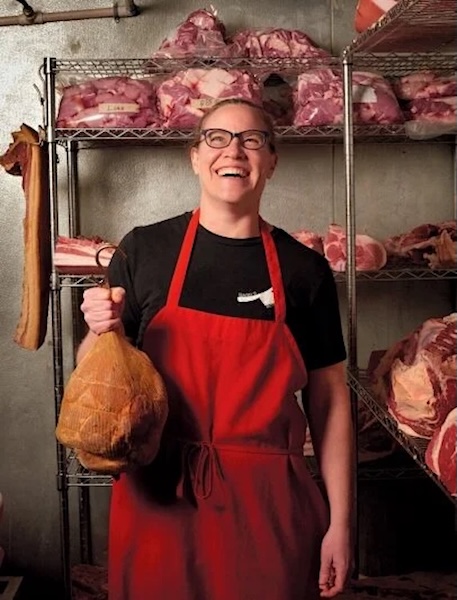
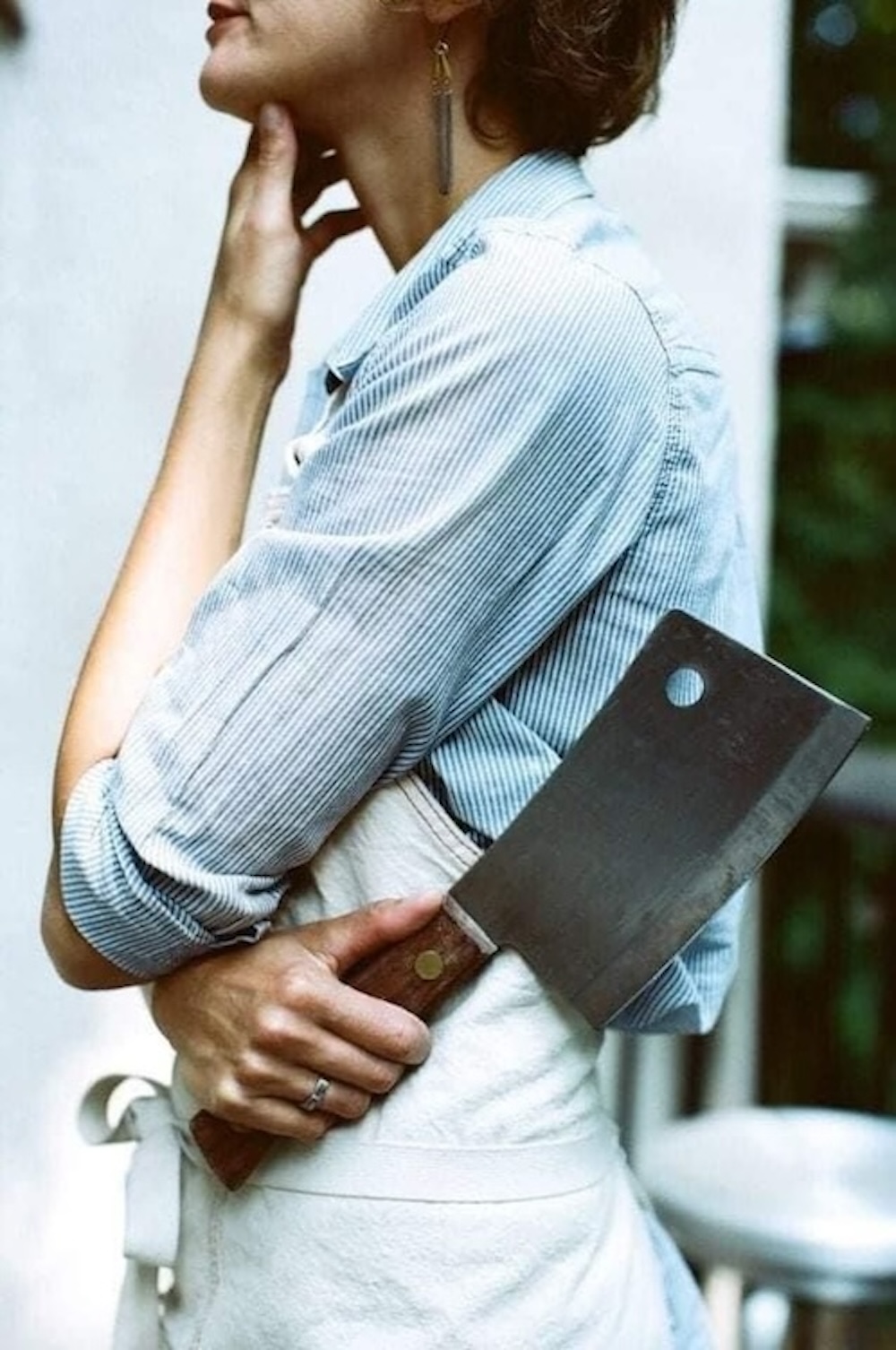
Barbara Fisher did not grow up dreaming of wielding a cleaver.
A former math instructor at SUNY Orange and a married mother of two, she reached a moment when, as she puts it, she “lost the itch to teach.” Instead of drifting, she pivoted — immersing herself in the craft of old-school butchery with the seriousness of a scholar. For eighteen months, she trained under Mark Elia of Hudson Sausage Company, absorbing the discipline of nose-to-tail breakdown and the logic behind every cut. It wasn’t dabbling. It was apprenticeship.
There’s a scientific clarity to the way Fisher talks about meat. The red in a steak, she’s quick to explain, isn’t blood but oxidized protein. Different breeds process differently. Musculature reveals structure. “Like mathematics,” she has said, “meat is another puzzle.” Precision excites her. So does education. Her shop is as much a classroom as a counter — a place where curiosity is welcomed and knowledge shared without condescension.
Butchery has long been a male-dominated field, yet Fisher moves through it without bluster, guided by intellect rather than bravado. Her sourcing is regional. Her cuts are exacting. Her enthusiasm is contagious. And while she once lived as a vegetarian, today she approaches meat with informed reverence — committed to helping customers understand not just what they’re buying, but where it comes from and why it matters.
In a Hudson Valley defined by its farms, Fisher closes the loop between pasture and plate. She brings literacy to appetite — reminding the region that responsible meat requires both skill and stewardship.
The Ritual Keeper
Agnes Devereux | Agnes Devereux Catering | Staatsburg, NY
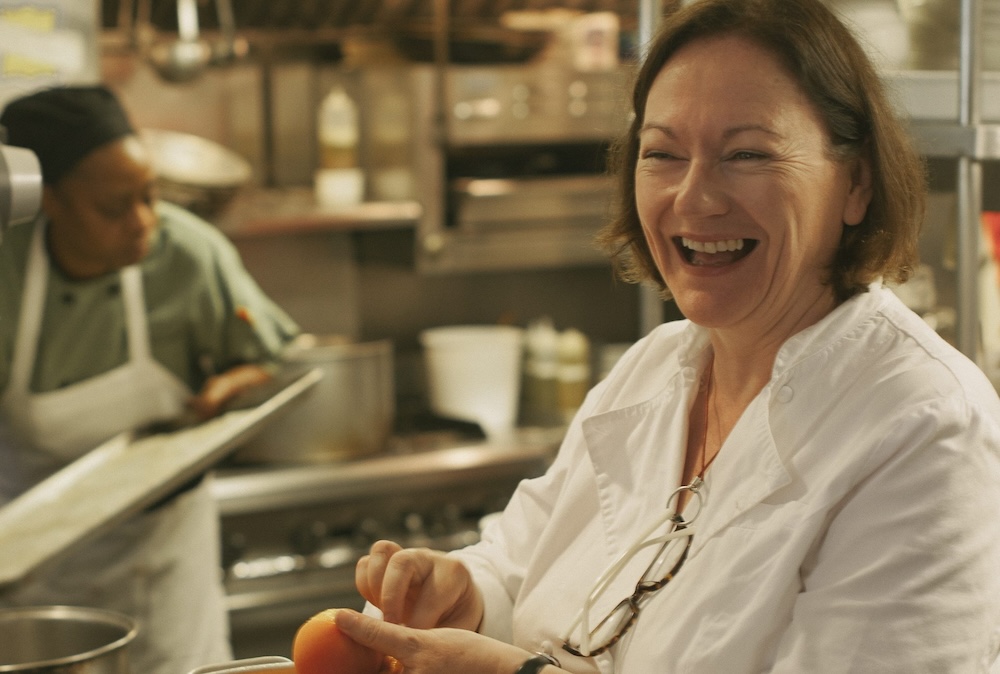
Agnes Devereux feeds life’s milestones.
Her catering company began fourteen years ago beneath the umbrella of the beloved Village TeaRoom in New Paltz, where gatherings large and small unfolded around her generous, seasonal cooking. Since then, Agnes Devereux Catering has grown into a cornerstone of Hudson Valley celebrations, known for events — especially weddings — that feel deeply personal and rooted in place, honoring the farms and artisans that define the region’s table.
Hospitality, for Devereux, is an inheritance as much as a profession. Born and raised in Tipperary, Ireland, she grew up in her family’s guest house, where visitors came and went for decades. Her mother cooked three meals a day for guests, while Agnes and her sisters served at the table, absorbing early lessons in generosity and care. Drawn instinctively to the kitchen, she spent her childhood baking traditional Irish desserts alongside recipes discovered in well-worn magazines, already understanding food as a language of welcome.
In 2019, Devereux and her family sold their home and restaurant to begin a new chapter: restoring a historic 1773 house in Staatsburg that will soon become The 1773 DeWitt House, a bed-and-breakfast and future home for Hudson Valley food workshops. The project feels less like a reinvention than a natural continuation — expanding her belief that food is best experienced slowly, together, and in community.
In a region that can sometimes chase novelty, Devereux builds continuity. Her cooking marks time — celebrations, reunions, beginnings — transforming local ingredients into memory and reminding the Hudson Valley that hospitality, at its heart, is an act of care.
.
The Estate Interpreter
Becky Kempter | Klocke Estate | Hudson, NY
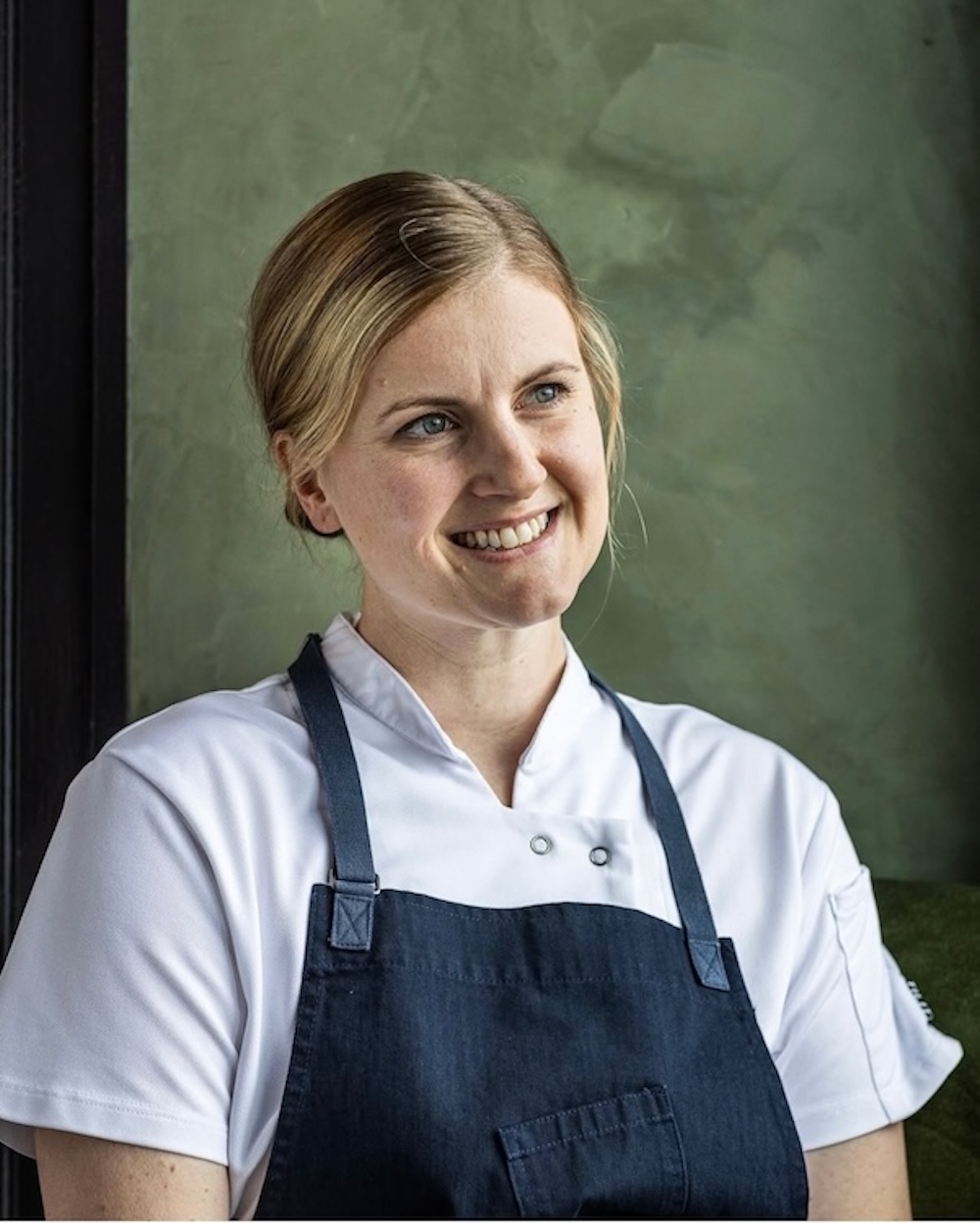
At Klocke Estate, Becky Kempter cooks in dialogue with the land.
Set across 160 rolling acres where orchards and vineyards stretch toward the Catskills, the estate’s “soil-to-glass” philosophy shapes everything — from the brandy distilled on site to the menus emerging from Kempter’s kitchen. Her cooking responds in kind: French-inflected, precise, and deeply seasonal, designed to pair as naturally with vermouth and brandy as with wine. Duck glazed with red vermouth, local apple tart paired with aged Calvados, and sauces quietly enriched with estate spirits create a dining experience that feels both transportive and grounded.
A California native whose culinary path led her east by way of Seattle, Kempter arrived in the Catskills with a farmer’s sensibility as much as a chef’s. After running an organic farm in nearby Tannersville, she was drawn back into professional kitchens, cooking for an estate hosting weddings and retreats before joining Klocke. “I love the seasons here,” she says. “I understand what grows well here and when. I bring that to the menu.”
That seasonal fluency defines her approach. The menu is intentionally concise, allowing ingredients to lead — a focused expression of freshness, balance, and place rather than excess. Working alongside regenerative agriculture and an ambitious distilling program, Kempter builds dishes that reflect the Hudson Valley’s terroir with quiet confidence.
In a region increasingly known for destination dining, Kempter helps articulate a more ambitious vision of Hudson Valley cuisine — one that is technically refined yet deeply rooted in the rhythms of the land.
The Provisions Curators
Mona Talbott & Kate Arding | Talbott & Arding | Hudson, NY
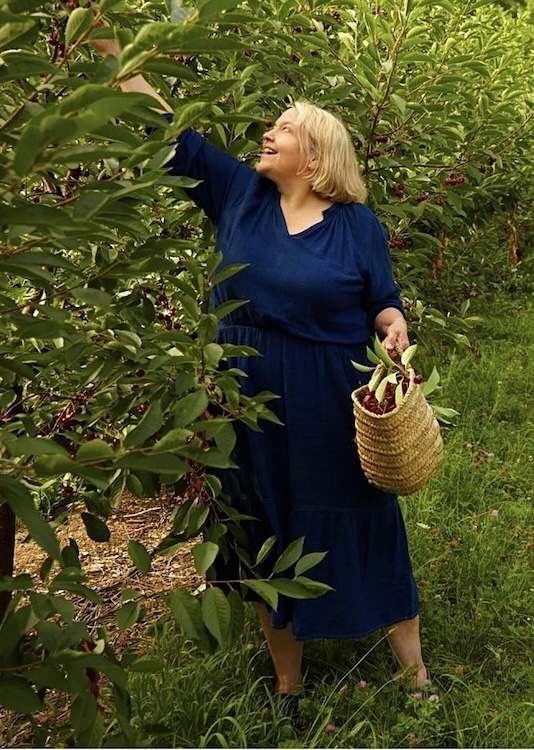
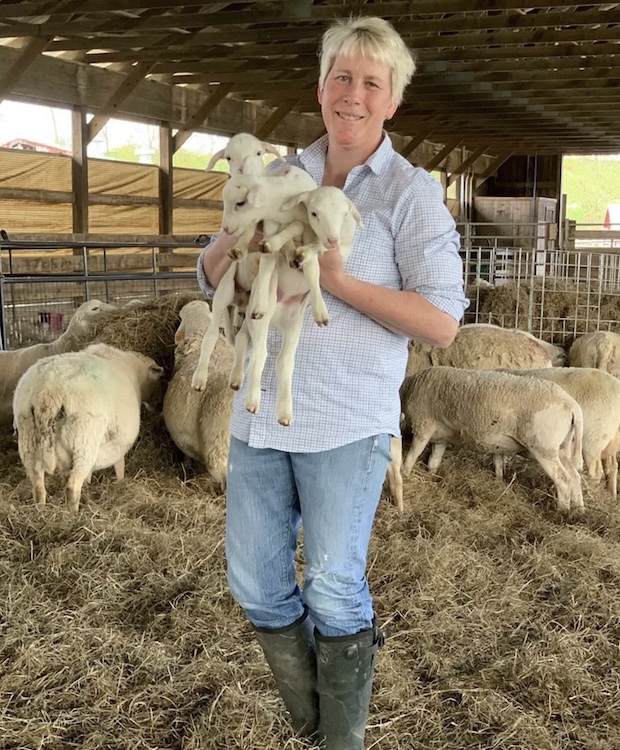
At Talbott & Arding, proximity isn’t a trend — it’s the philosophy.
Kate Arding, an internationally respected cheesemonger shaped by formative years at Neal’s Yard Dairy and Cowgirl Creamery, and chef Mona Talbott, a Chez Panisse alum and founding executive chef of the Rome Sustainable Food Project at the American Academy in Rome, built their Hudson shop around relationships with producers they know personally. The result is part market, part kitchen, part gathering place — a space where regional harvests are translated into the foods that sustain daily life.
Talbott often describes the shop as the link between raw ingredients and the meals people bring to the table. Drawn back to the Hudson Valley after years of cooking and teaching in Italy, she was captivated by the closeness of farms and orchards — the ability to pass dairy cows on the drive home or see radishes harvested one day and stocked in the shop the next. Many of the farmers who supply the store are also neighbors and friends, sometimes arriving through the back door with eggs or lamb before reappearing at the front counter as customers themselves.
That sense of reciprocity shapes everything at Talbott & Arding. The prepared foods — from carefully composed seasonal dishes to their famously beloved chicken parmesan — are designed not as restaurant fare but as real-life nourishment, meals that anchor busy weeknights and family tables alike. Talbott, who began her studies in creative writing before turning to cooking, thinks of herself as a narrative cook, using food to tell the story of place and people.
Together, Talbott and Arding help reestablish the Hudson Valley as a modern breadbasket — collaborative, intentional, and deeply connected to its makers — reminding us that great food begins with relationships long before it reaches the plate.
The Fermentation Muse
Katiushka Melo | Culture Cream | Hudson, NY
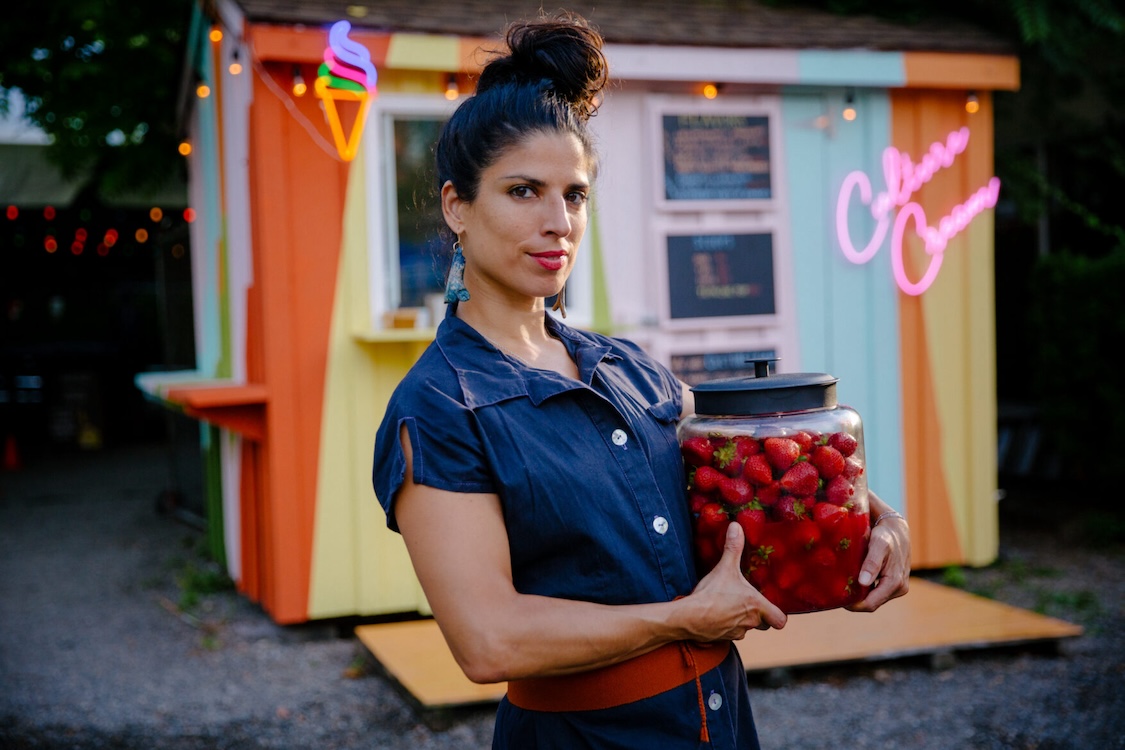
Photo By Mariana Garay
At Culture Cream, Katiushka Melo makes probiotics flirt.
An artist, chef, and lifelong fermenter, Melo creates “living ice cream” infused with kefir and kombucha — tangy, vibrant desserts balancing science with pleasure. Born in Chile and shaped by years living across New York, Mexico, Taiwan, and China, her culinary path began with intimate supper clubs that always ended with ice cream.
After moving to Germantown, she launched Culture Cream as a small outdoor stand before opening her colorful Hudson shop, now a gathering space for artists, pop-ups, and community events.
“I imagine being a culinary witch of sorts,” she says. “My ice cream tastes good, but it also has these ferments that are good for you.”
Melo expands the Valley’s imagination, proving that wellness can be joyful and experimentation can be welcoming — dessert as nourishment and expression.
+ + +
Across the Hudson Valley, these women are quietly drawing the map of how the region gathers, cooks, and eats — building a food culture rooted in care, connection, and pleasure.
From all of us at INSIDE+OUT, we hope you spend the month discovering, tasting, and celebrating it all.
Bon appétit!
+ + +
Photos courtesy of participating culinary creators.
Related Posts
Write a Comment
You must be logged in to post a comment.