


Where Family Comes Together: Ten Barn Farm’s 10th Annual Farm-to-Table Dinner
One family followed their son to Ghent and found an entirely new way of life. Fifteen years later, Ten Barn Farm is a working organic farm, a restaurant housed inside an old barn, and a country stay that makes slowing down feel like the greatest luxury of all. This September, its 10th annual farm-to-table dinner brings the whole story home.
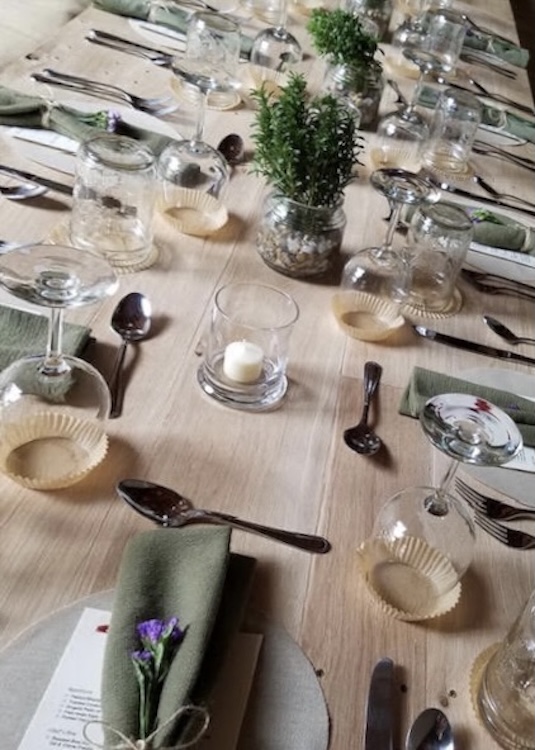
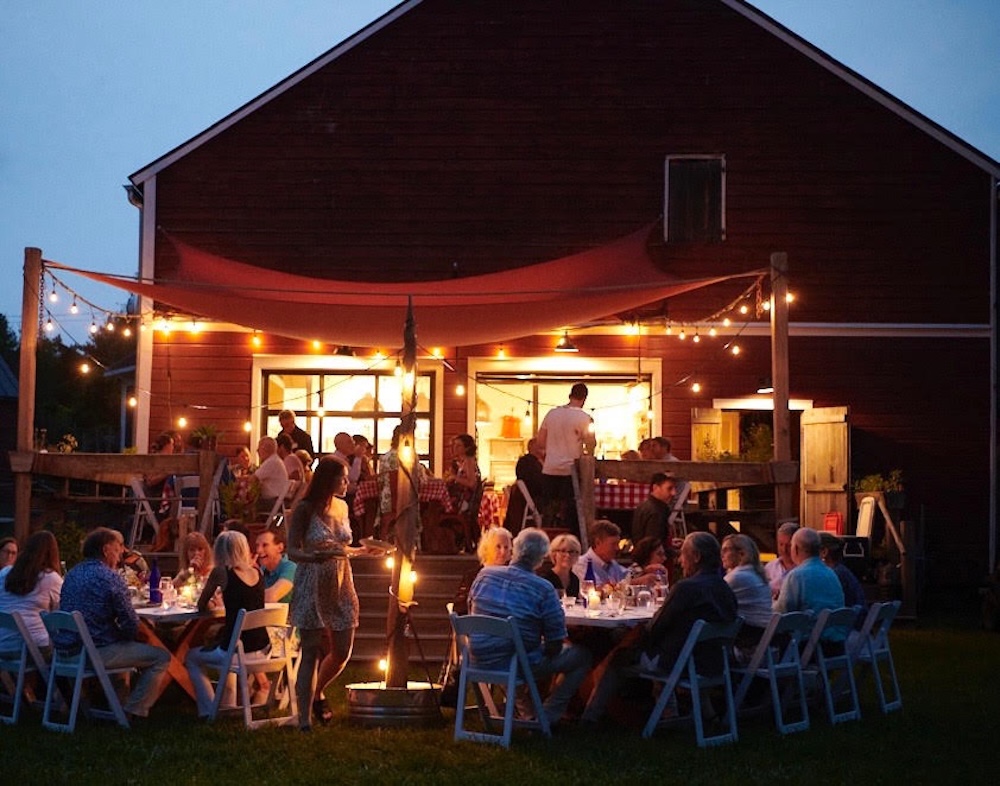
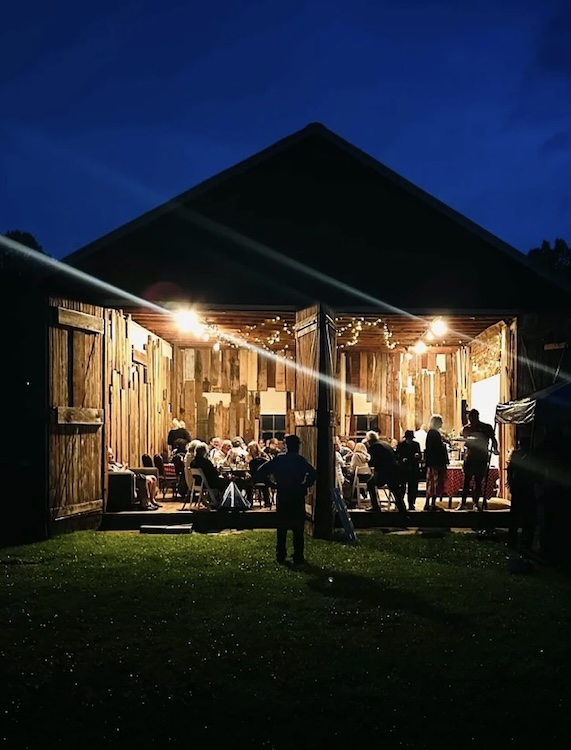
As the late-summer light begins its slow slide across the hills of Ghent this September 12th, guests will gather on the upper patio at Ten Barn Farm. Champagne will be poured. Andrew Harrington, the family’s eldest son and a certified sommelier, will have chosen the wines. Seasonal appetizers—made largely with ingredients grown within sight of the table—will appear in generous abundance.
The fields will still be warm from the day. Chickens will be settling in. The goats, naturally, will be keeping an eye on the arrivals. Behind the scenes, members of the Harrington family will move between the garden, barns, and kitchen, tending to the many details required to make an evening feel as though it has effortlessly happened that way.
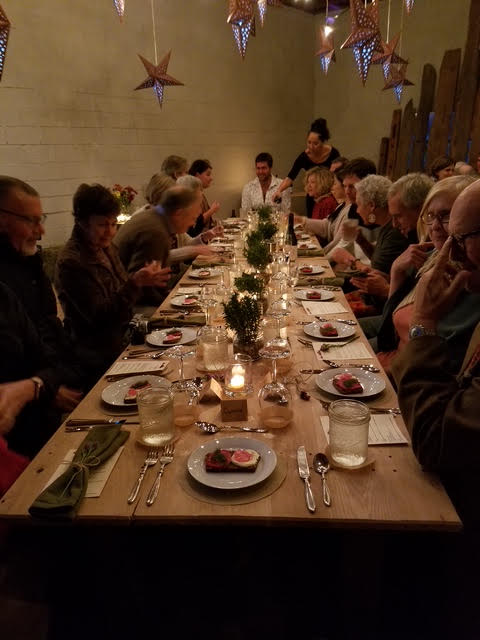
After cocktails, guests will stroll down through the farm toward The Kitchen, where a candlelit dinner awaits. Julie Harrington will serve Julia Child’s boeuf bourguignon, alongside a vegetarian option and whatever the garden happens to be giving most generously that week. Chocolate mousse and clafoutis will be served for dessert, paired with old and rare wines from Burgundy and California. Then Roby Harrington will light the bonfire.
The annual dinner is elegant without being remotely stiff. The point is not simply to sit at a beautiful table and eat extraordinary food. It is to experience the farm as the Harringtons have come to understand it: a place where the land feeds the kitchen, weathered buildings begin new lives, and no one stays a stranger for long.
This year marks the family’s 10th farm-to-table dinner. Fifty guests will attend the ticketed event, with relatives flying in from across the country to cook, pour wine, arrange flowers, and keep the evening moving.
“It is our signature event and really represents our primary goals in starting Ten Barn Farm—to share the beauty and bounty of this historic farm and, in doing so, build community,” says Roby.
The dinner is the clearest expression of what Ten Barn Farm has become. But the story did not begin with a business plan, a hospitality concept or even a remotely practical idea for what to do with 10 aging barns. It began with a family wanting to remain close.
Finding the Farm
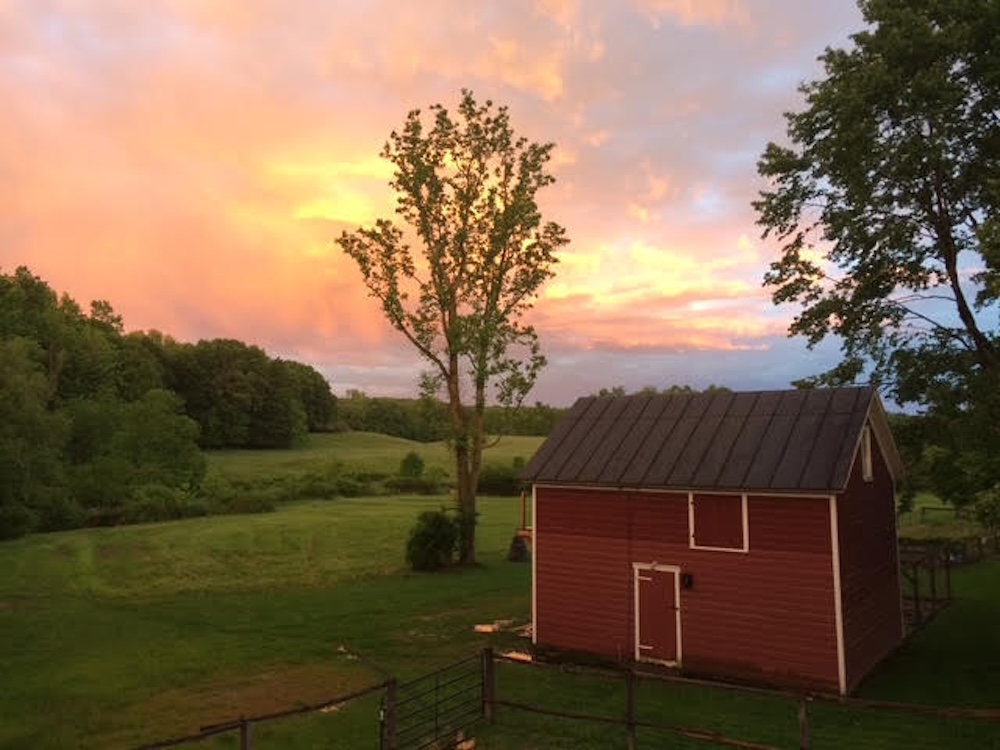
Roby and Julie purchased the Ghent property in 2011, after their youngest son, Matthew, who has Down syndrome, enrolled at Camphill Triform, a residential community just outside Hudson.
The Harringtons had lived happily in Princeton, New Jersey, for 30 years. Roby commuted to Manhattan, where he spent four decades at the independent, employee-owned publisher W.W. Norton. Once Matthew moved away, the family home became too quiet—and the daily trip into the city suddenly felt much longer.
They began searching for a property near him. A farm held particular appeal because their middle son, Peter, had spent several years farming in California and completed a sustainable agriculture program at the University of California, Santa Cruz.
Then Julie saw the farmhouse in Ghent.
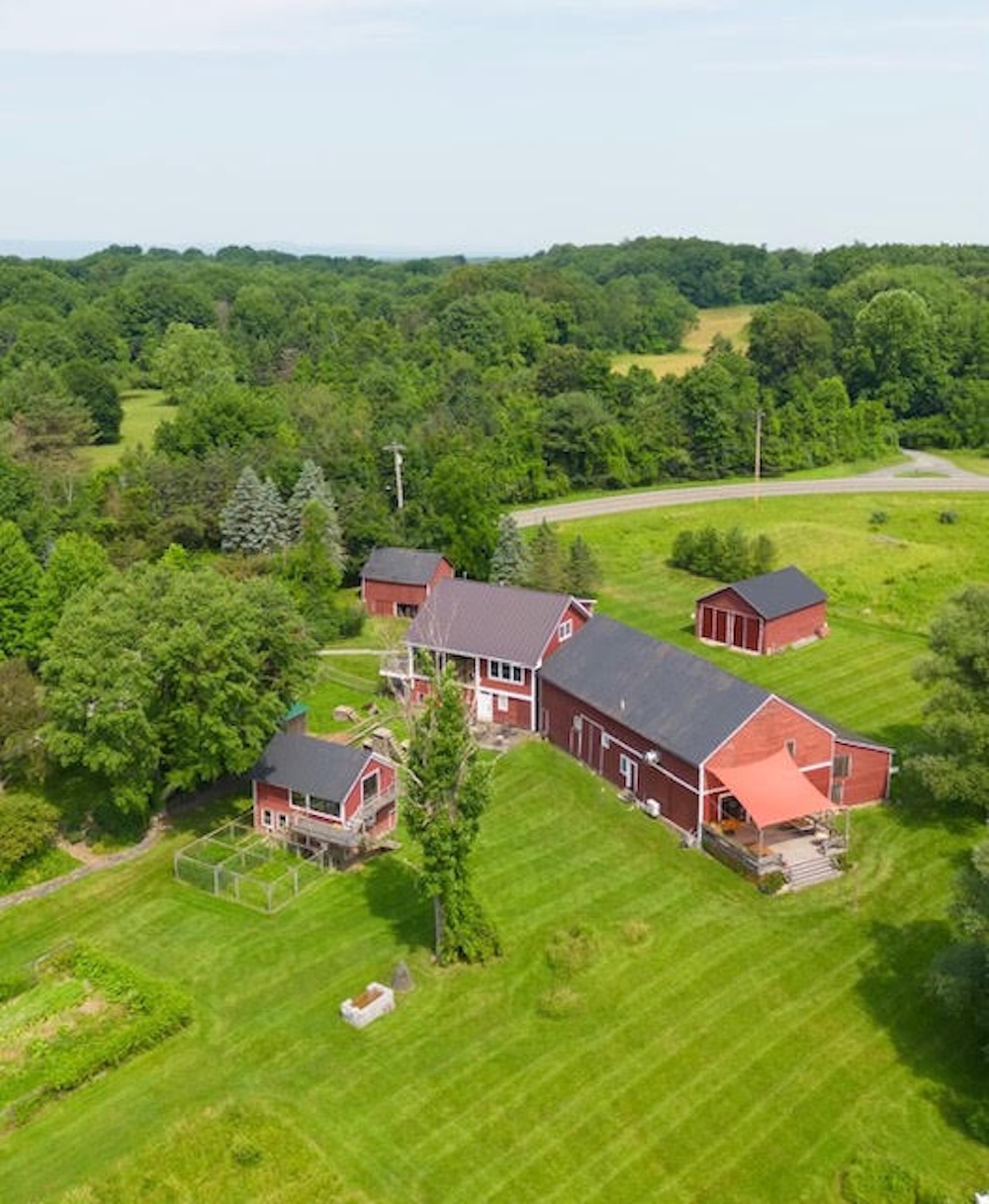
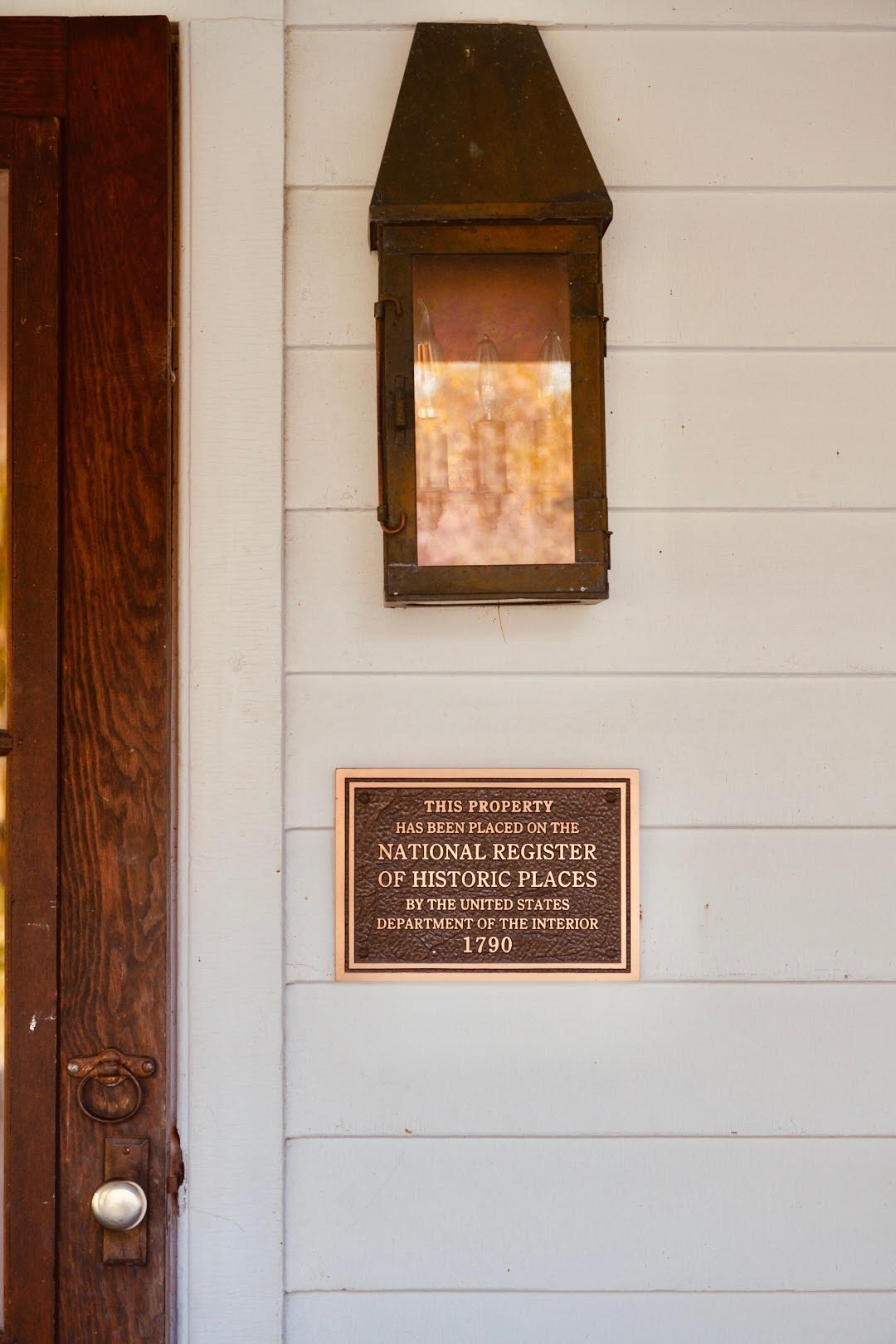
Built circa 1790 and listed on the National Register of Historic Places, it stood in fields worked for generations. A stone smokehouse remained, as did a three-seat outhouse and a collection of barns in every conceivable state of usefulness and repair.
Julie was immediately drawn to the place. Its beauty was imperfect and wholly authentic—the kind earned over centuries rather than applied in a weekend. Still, it took the family nine months to comprehend the scale of what they were considering. “So many old barns,” Roby remembers. They bought it anyway.
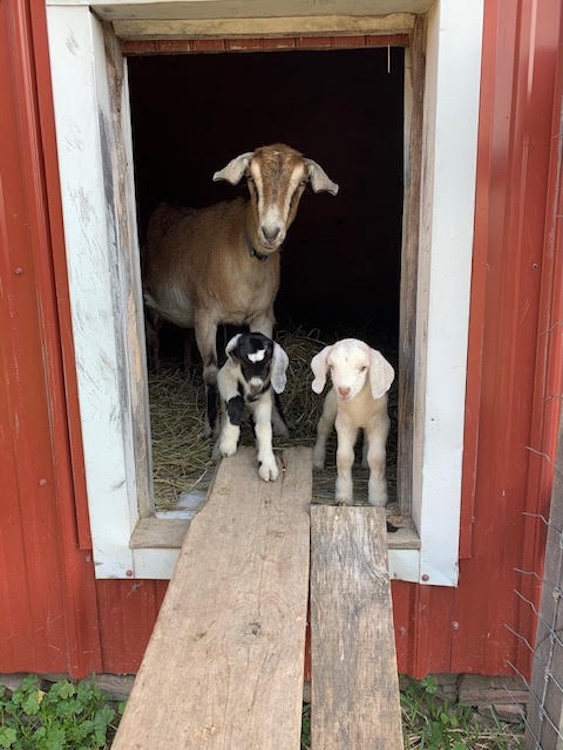
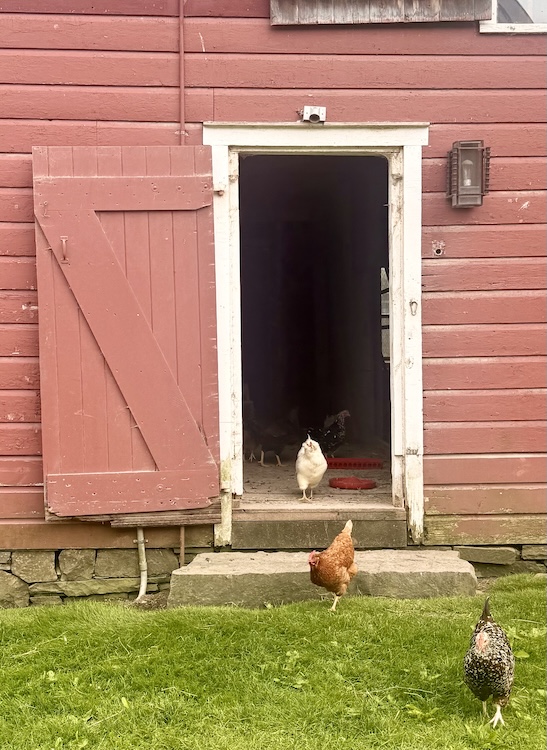
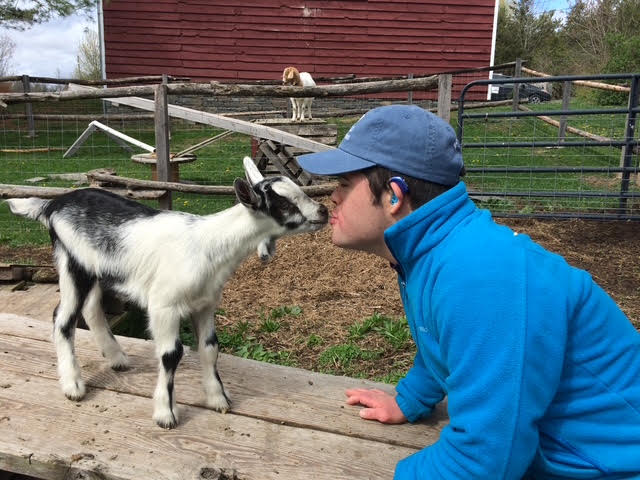
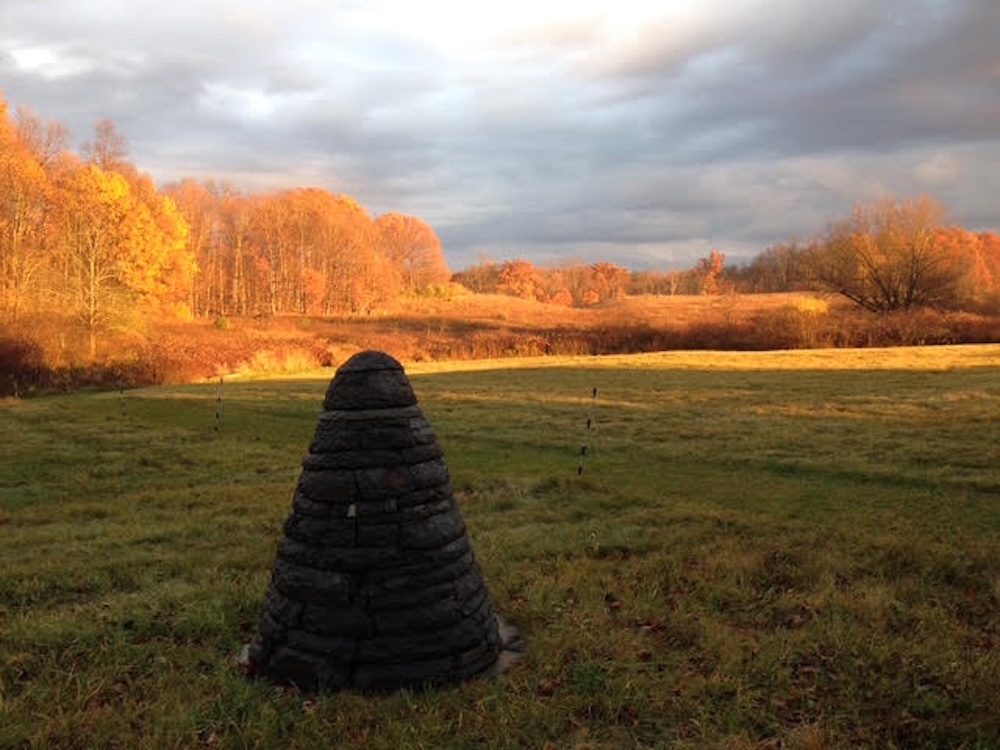
The future was hazy, but the land offered a way in. These fields had fed families before them and could do so again. Chickens placed in a barn built for chickens, Roby discovered, knew exactly where to roost and lay their eggs.
The first year brought 15 of those chickens, two goats named Claire and Bernie, and the reclamation of a large vegetable garden. Peter returned from California to work the land. He sold produce at farmers’ markets, supplied local restaurants and eventually created a Ten Barn Farm CSA, restoring the soil through organic farming as he went.
The family turned its attention to the buildings, coaxing them back one roof and foundation at a time. Three barns had to be physically jacked up. The hay barn turned into living space; the second floor of the chicken barn, an office. Patios appeared. The creek banks were cleared to create meandering paths. Even the goats got an enlarged playground.
A new barn was built to house a modern tractor, bringing the total—quite properly—to 10.
Gradually, those old structures stopped looking like an endless maintenance list. The Harringtons began to see them for what they were: magnificent hand-hewn spaces waiting to be useful again.
The farm had also inherited the thriftiness of everyone who had lived there before. Old beams, barn doors and floorboards lay in piles because some long-ago farmer had understood that good wood should never be discarded. With the help of craftsman Bradley Kurtz, who has been central to the restoration for more than a decade, the family found new places for it all.
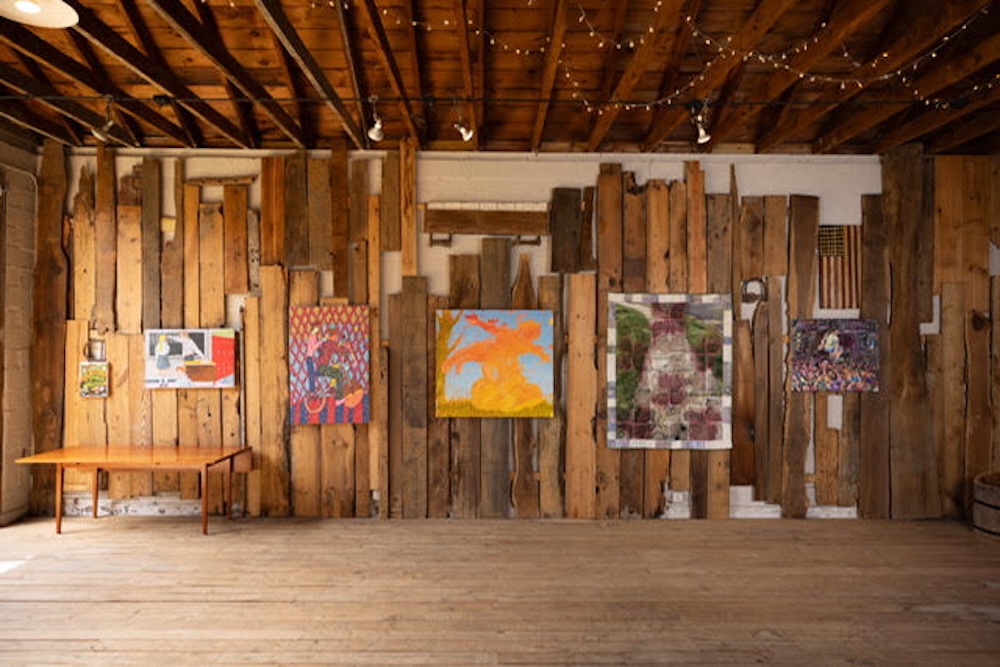
During the pandemic, they bought an industrial planer. Roby resurfaced 150 boards which once formed the floor of the draft-horse stalls. They now line the performance barn in a glorious patchwork of grain and patina, the wood glowing again after decades spent out of sight.
The small stage rests on an old manure spreader. The headboard in the Harringtons’ bedroom was made from the drop-down door once used to push the season’s final hay bales into the barn before winter.
Recycling “cool old things,” Roby admits, became something of an obsession. It is also what gives Ten Barn Farm its particular beauty. Nothing feels overly polished or stripped of history. The past has not been erased; it has simply been given better lighting.
A Kitchen Grows in a Barn
Nine years after the Harringtons arrived, the largest—and possibly loveliest—barn was still waiting for its next act. With Roby approaching retirement, he and Julie began talking seriously about her long-held dream of opening a café.
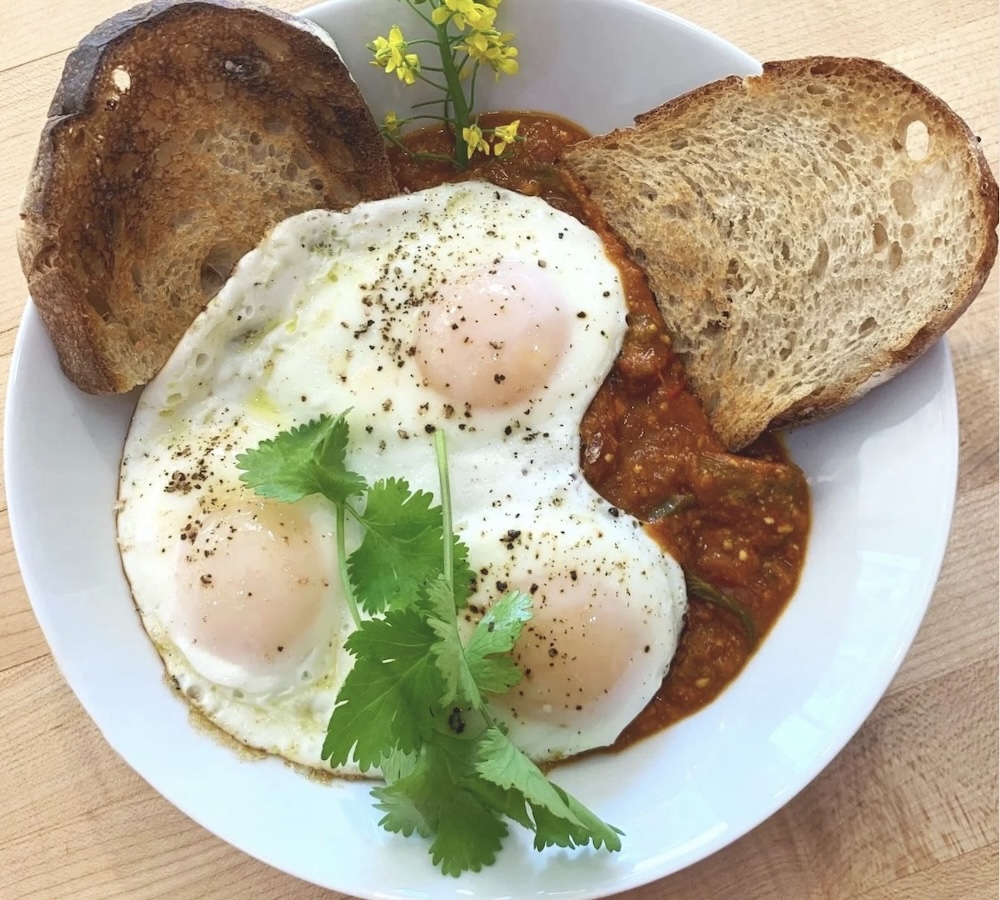
Peter had been farming the property for seven years by then. The thought of growing vegetables that he and his mother could turn into zucchini pancakes, shakshuka, and other deeply seasonal dishes intrigued him. Matthew, meanwhile, was ready for his first job and his first paycheck.
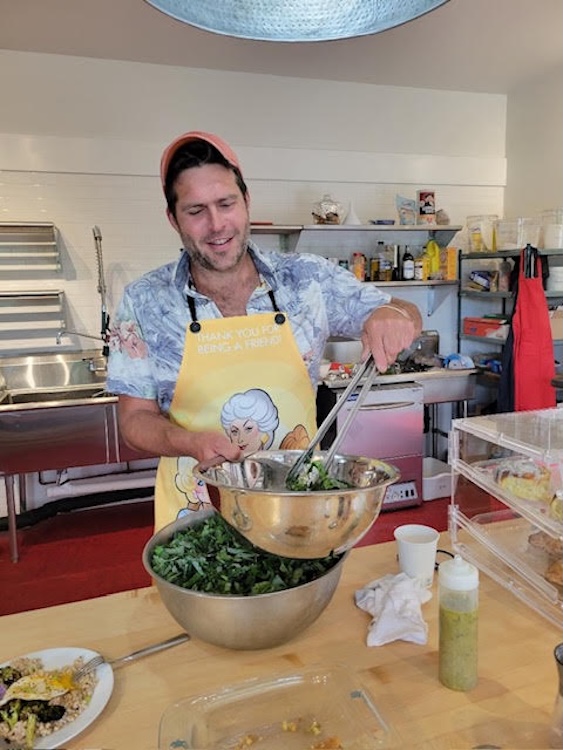
The family had already hosted several dinners on the farm. Each one revealed that people were hungry for more than the produce. They wanted the experience of being there: the walk through the fields, the animals nearby, the sense that dinner had grown out of the very place where it was being served.
The Harringtons set aside part of the big barn for what would become The Kitchen at Ten Barn Farm. Julie oversaw the construction, integrating the practical demands of a restaurant into a structure built for an entirely different century. The pandemic intervened, as did a yearlong research fellowship that took Roby to California, but The Kitchen finally opened on Memorial Day weekend in 2022.
There wasn’t any grand announcement—just a few hand-painted signs and some Instagram posts. Early visitors would walk toward the back of the property, round a corner, and stop. “Wow,” they would say. “I had no idea this was back here.”
They stayed for eggs dressed with Parmesan and pesto on sourdough toast, or cream-cheese scrambled eggs piled onto Japanese milk bread. As summer ripened, tomatoes and eggplants began finding their way onto the plates. Most of the ingredients had traveled mere yards. It would be difficult to eat more locally unless one brought a fork directly into the garden.
That first season, Julie, Peter and Roby did nearly everything themselves. They planted and harvested, baked and prepped, maintained the grounds and ran the café. The days were long, but the response was quick. Regulars appeared. Friendships followed. Soon, customers checked Instagram before leaving home to see what the fields had placed on the weekend menu.
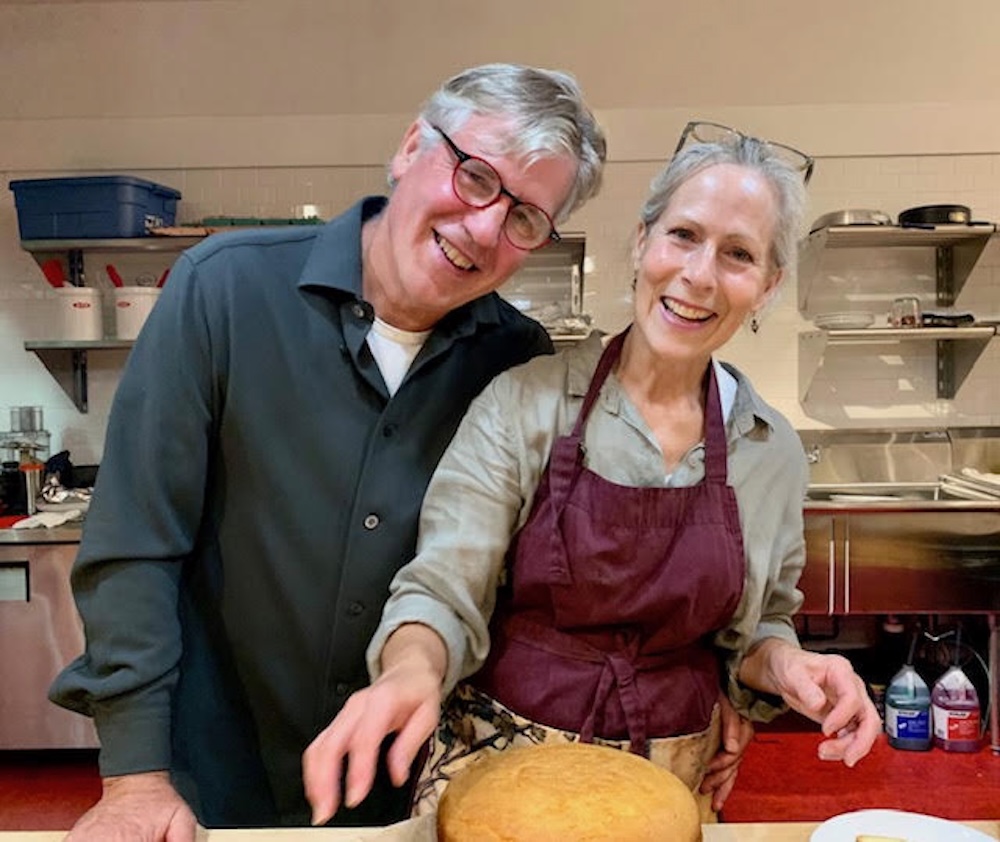
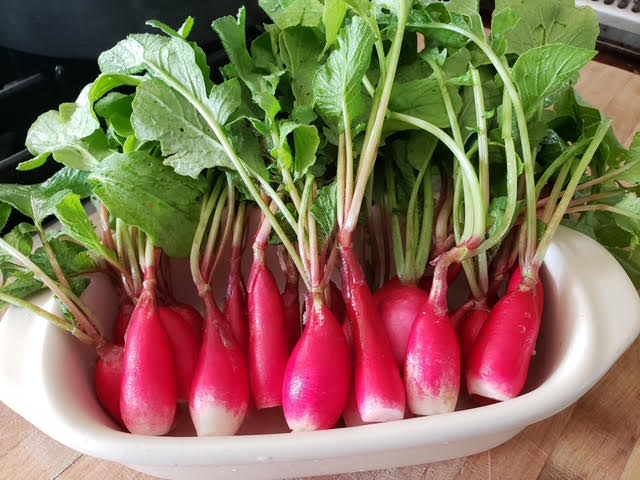
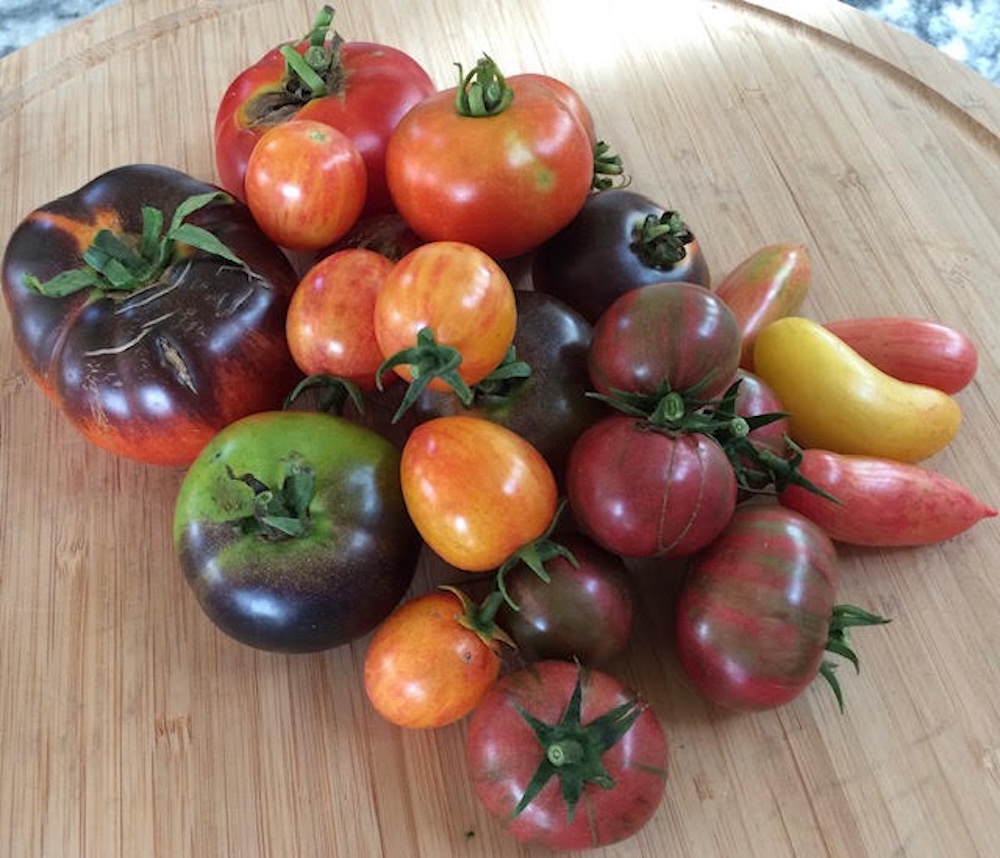
The Kitchen’s ambitions expanded. Meals were joined by music, theater, book discussions and art. The barns were no longer simply historic structures the family happened to be preserving; they were filled with voices and ideas again.
After four years with Julie as head chef, The Kitchen entered a new phase this spring under Peter and his partner, Julian. The seasonal schedule now includes Friday dinners and Sunday brunch, with reservations available through Resy, as well as private celebrations.
Peter moves between the field and the stove, supported by a talented young staff. His crop planning begins with what he wants to cook months later. Seed catalogs become menu drafts; rows planted in spring eventually arrive on a plate in summer.
Julian runs the front of house and oversees marketing, bringing a fresh visual sensibility to the hand-hewn space. A gifted ceramicist, he understands how much atmosphere resides in the details: the way a plate feels in the hand, the light falling on an old table or the arrangement that looks as if it might have happened by accident—even when it most certainly did not.
The principles behind The Kitchen remain unchanged. The food follows the farm. The hospitality is thoughtful without becoming precious. And Matthew is still very much at the center of things.
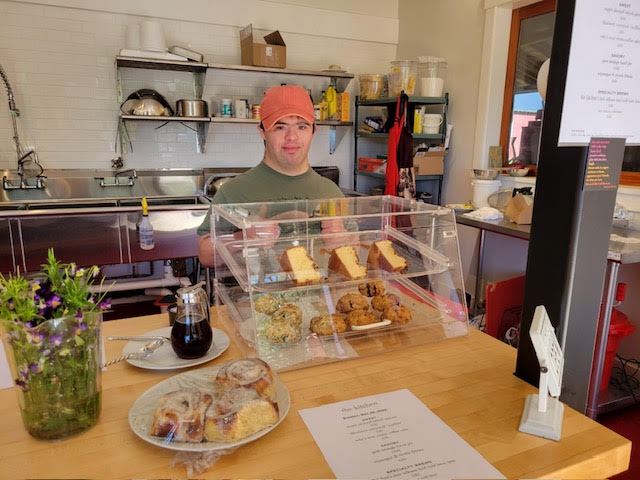
Affectionately known as “The Boss,” he makes pickles, brings dishes to hungry guests, and opens the farm’s events with a welcome entirely his own: “My family is so excited to be serving your family.”
“Nothing brings me more joy than having Matthew as the public face of the family endeavor,” says Roby. “He connects with people.”
Staying a Little Longer
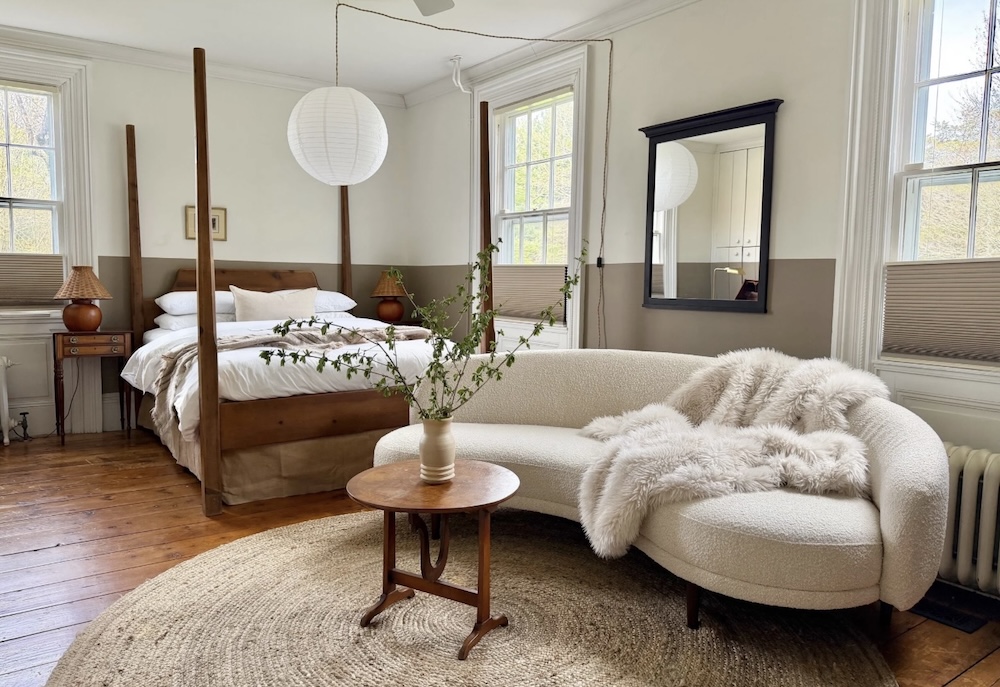
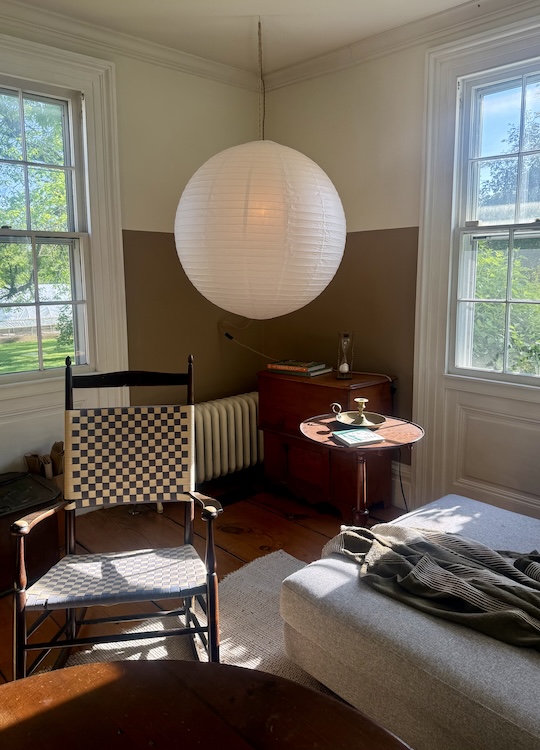
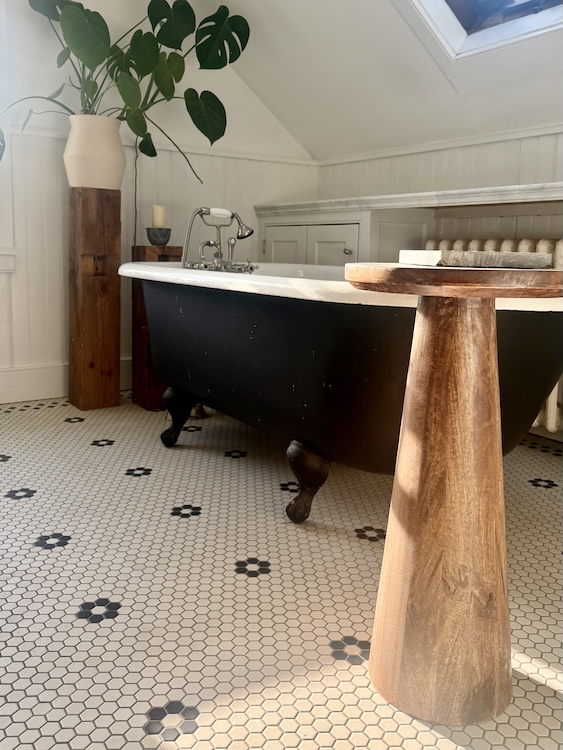
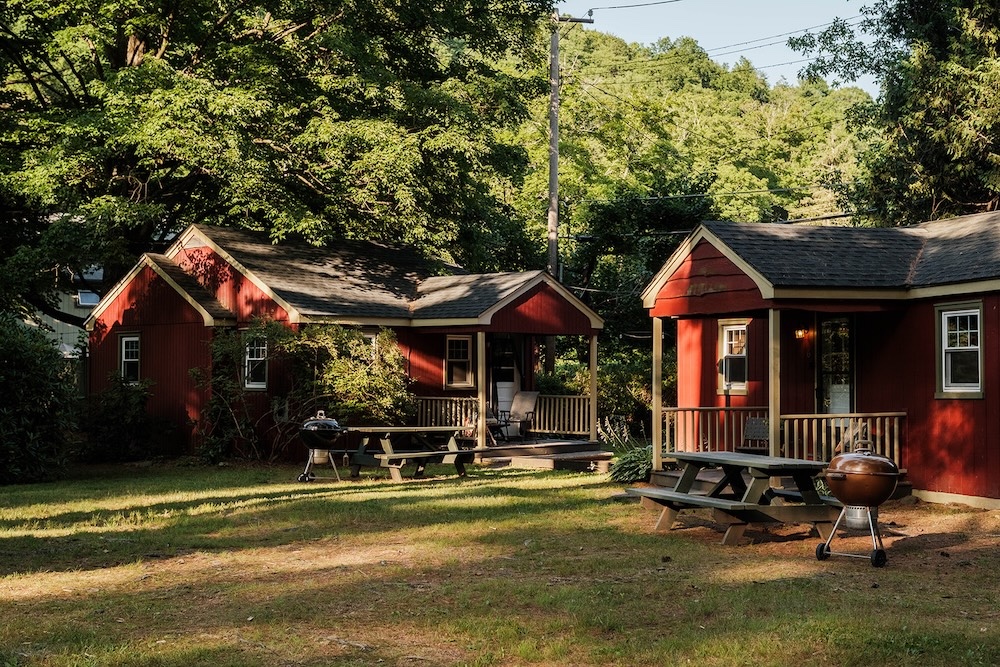
The farm’s newest invitation is to spend the night—and the farmhouse may be one of its most irresistible pleasures.
Julian decorated the historic home with the same eye he has brought to The Kitchen. The mood is Nora Ephron goes to the country: warm, intelligent, a little romantic and completely unforced. Old floors, simple linens, well-chosen antiques and handmade ceramics make the rooms feel personal rather than professionally “done.”
It is farmhouse style without the usual basketful of clichés. Every corner is undeniably Instagram-worthy, yet nothing seems arranged solely for the camera. This is a house that expects to be lived in: coffee overlooking the fields, books carried upstairs to bed, long breakfasts and evenings when everyone lingers around the table. Morning arrives quietly here. Guests can wander through the gardens, visit the animals or explore Hudson, Chatham and Kinderhook before returning for dinner.
The farmhouse stay completes the invitation implicit in everything the Harringtons have created. Come eat what the land produces. Spend time inside the buildings they have so patiently restored. Stay long enough for the farm’s slower rhythm to begin to feel like your own.
More Than a Meal
With Peter and Julian now overseeing The Kitchen, Roby is turning more of his attention toward the farm’s cultural and community life.
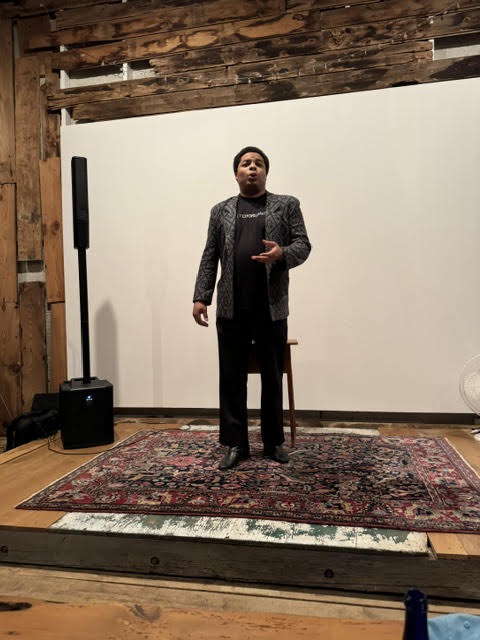
Ten Barn Farm has become a natural setting for performances, conversations, literary lunches and art. There is something about hearing music beneath centuries-old beams—or talking about a book under a willow beside the creek—that loosens the usual boundaries between audience and participant.
The farm’s first two formal partner organizations are Camphill Hudson and the Shaker Museum. Members of the Camphill Hudson community come to the farm on Wednesdays to cook, dance Zumba and rehearse their latest play. The Harringtons are also considering a nonprofit arm that could expand programming for people with developmental disabilities while supporting the arts and creating more opportunities for neighbors to participate in life on the farm.
The aim is not to turn Ten Barn Farm into a formal institution. Roby wants to protect the quality that makes it special: the ease with which a performance, a conversation or a plate of food can draw people toward one another. The annual Farm dinner is that idea made visible.
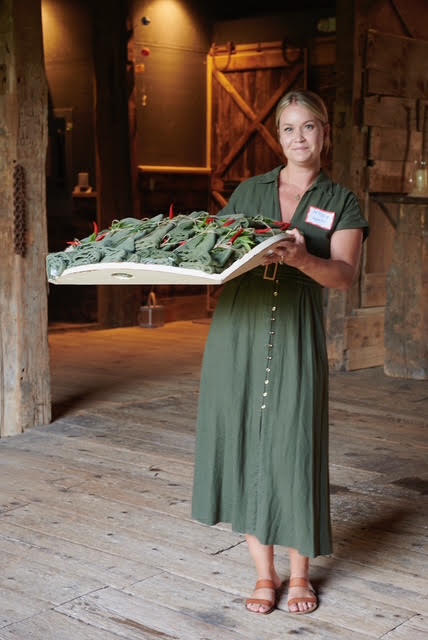
On September 12, the whole family will slip into place. Peter will cook beside his mother, Julie, while Andrew selects the champagne and wines. Julian will create the tablescapes, and Matthew—“The Boss”—will make sure every guest has exactly what they need. Relatives will fly in from across the country to help in the kitchen and fill the tables with flowers.
The menu will begin in the fields, with whatever is ripening given its moment. Here, the season always has final edit.
Last year, as Roby lit the bonfire, he watched old friends and strangers exchange phone numbers across the long tables. The dinner did not merely happen at Ten Barn Farm. It was Ten Barn Farm: one family’s wish to stay close transformed into a place that draws others closer, too.
In every sense, it is a true family production. A few tickets remain!
Not to Miss Events Coming Up at Ten Barn Farm
10th Annual Family Farm-to-Table Dinner
Saturday, September 12, 2026 | 6–9:30 p.m.
The farm’s signature evening begins with seasonal appetizers, champagne, wine and beer on the upper patio. A candlelit dinner with fine-wine pairings follows, ending with dessert and a bonfire. Only a limited number of seats remain.
The River Knows
Saturday, October 3, 2026 | 5 p.m.
The Camphill Hudson Players bring their newest theatrical production to Ten Barn Farm’s performance barn.
Lunch + Lit
Sunday, October 18, 2026 | 1 p.m.
Ten Barn Farm’s book gathering returns with a farm lunch, wine and conversation beside the creek.
Ten Barn Farm
1142 County Route 22
Ghent, New York
For tickets, restaurant reservations, farmhouse stays and complete event information, visit tenbarnfarm.com.
Related Posts
Write a Comment
You must be logged in to post a comment.