


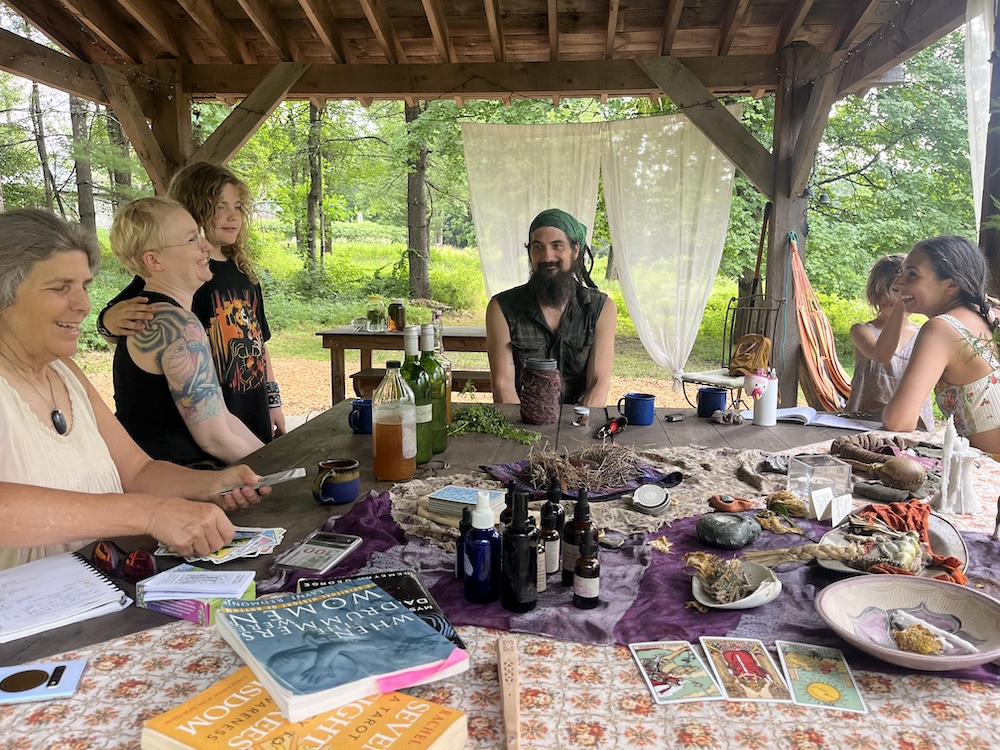
Learning the Landscape Through the Seasons: Foraging Herbalist Mentorship
In the Hudson Valley, where the rhythm of the seasons still shapes daily life in visible ways, a growing number of people are turning toward herbalism and foraging not simply as wellness practices, but as a way of relearning their relationship to the natural world. What was once dismissed as background scenery—or something to be cut back and controlled—begins to emerge as food, medicine, ritual, and memory.
Plants, after all, have always been speaking. We’ve simply forgotten how to listen.
A new generation of herbalist mentorships and seasonal foraging programs throughout the region are helping people reconnect—not only with the medicinal properties of plants, but with the ecosystems directly outside their doors. The process is surprisingly grounding: learning what grows when, what heals what, what can nourish, soothe, or restore. And perhaps most importantly, learning to move through the landscape with attention again.
The practice of seeking wild foods and medicinal plants allows our senses to do what they were designed to do. Seeing colors, shapes, sizes, patterns, habitats, landscapes, and water movements are fundamental ancestral skills that have carried us this far in our evolution and will be the very things that continue our species in the future.
We have the five senses, our instinct, and our intuition — and the training ground for all three is learning to discern what is edible and what is poisonous, what is medicinal, and how to heal, by developing a deeper connection to the land we live upon. As we seek to eat from the land, the land changes us and our instincts. There is a systematic process to reconnecting and remembering how to develop the senses. What do medicinal plants smell like? What can a plant’s habitat, color, shape, and size reveal about its medicinal qualities? How might the eating or nibbling of a plant by an animal offer signs of which wild kin are moving through the landscape around you? The wild world is often far closer than most people realize…
Dan de Lion of Return to Nature and Sasha of Sasha Botanica are coming together to offer a Foraging Herbalist Mentorship in the Hudson Valley — a seasonal, hands-on program in the craft of herbalism and foraging that follows the land’s growing season. The intent and focus of this mentorship are to help people awaken their instincts and intuitive senses, re-empowering their inner knowing. Out of that comes everything else — recipes, cooked and raw dishes, preparations you have never encountered before, mushrooms you cannot find in any grocery store, and an abundance of medicinal chemicals, minerals, vitamins, and nutrients that the body deeply craves.
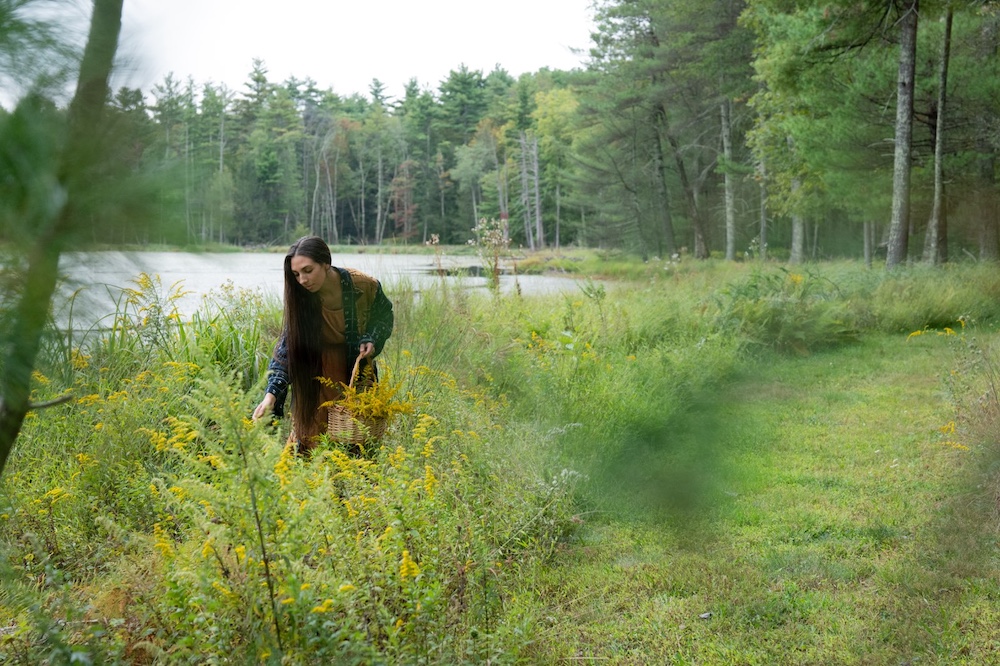
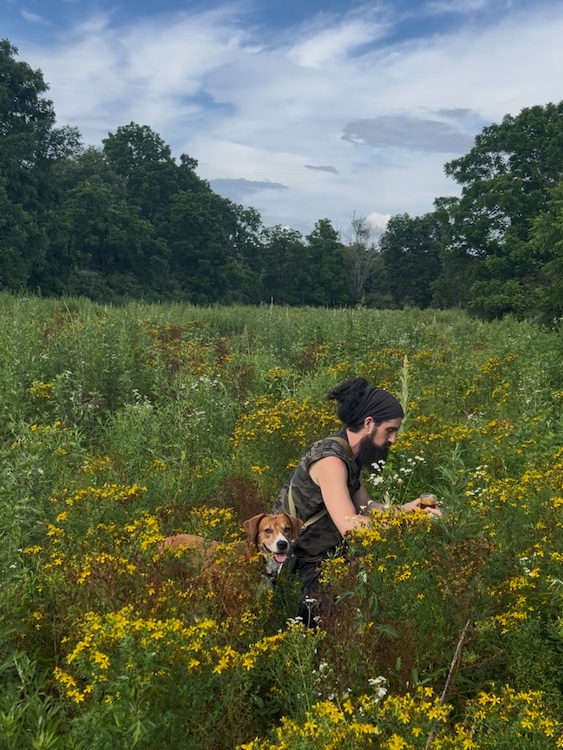
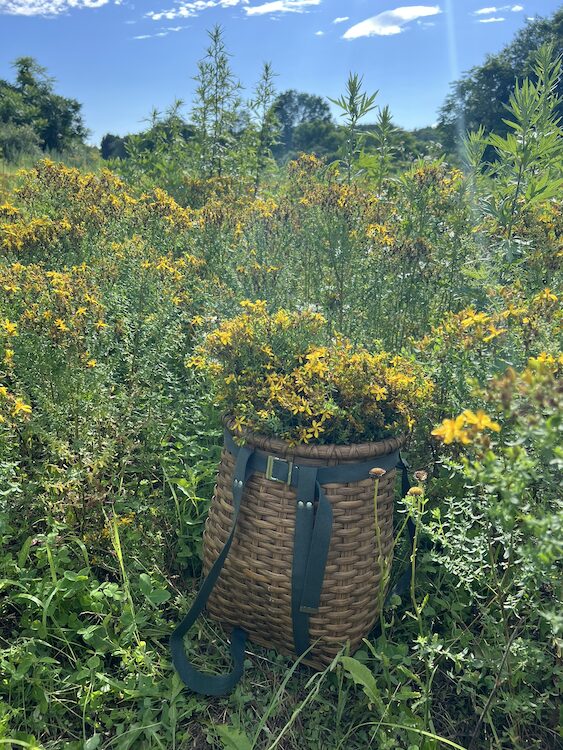
About Dan + Sasha:
Dan grew up in a life full of exposure to plants in the herb and vegetable garden his mother grew, with continuous herb books as part of his upbringing, as well as roaming access to the backyard, which led to a farm. As he grew in this passion, he began mushroom hunting at 20 years old, soon realized that wild plants could be foraged as well, and received his formal herbalist training in 2010 from Heart Stone Herbal School in Van Etten, NY.
That same year, he started his business, Return to Nature, as a vehicle for sharing his passion for herbal medicine and for building a community with a deeper expression of Nature as a continual and abundant provider of nourishment, medicine, and spiritual connection.
Teaching from a deep passion to inspire children and adults alike to return to Nature and remember that there is deep treasure around each and every corner of life, Dan teaches through hands-on mentoring with a focus on engaging the senses in and with Nature to create and bridge a deep connection to the earth and our immediate surroundings that continues to deepen in students for the rest of their lives.
Sasha’s connection to plants and the natural world did not come from family tradition or heritage, but grew alongside her throughout her life out of necessity. Growing up, holidays felt hollow, and the world around her felt shallow — her peers consumed by trends and celebrity culture that meant nothing to her. She always felt most at home alone in the woods, carrying a sense of not belonging that followed her well into adulthood.
It wasn’t until she moved from the East Coast to Montana and began studying Cultural Anthropology that something finally clicked. She discovered entire cultures and ways of living that made profound sense to her — traditions with depth, rites of passage, meaning woven into everyday life. Most importantly, she learned that she had never been wrong for feeling the way she did growing up. That realization set everything else in motion. After earning her degree, she pursued certification as a birth and postpartum doula and attended the Colorado School of Clinical Herbalism in Boulder.
Now, Sasha’s hope is to show others that their own feelings of disconnection are not something to be ashamed of. Nature is always waiting, and turning toward it means discovering you were never truly alone.
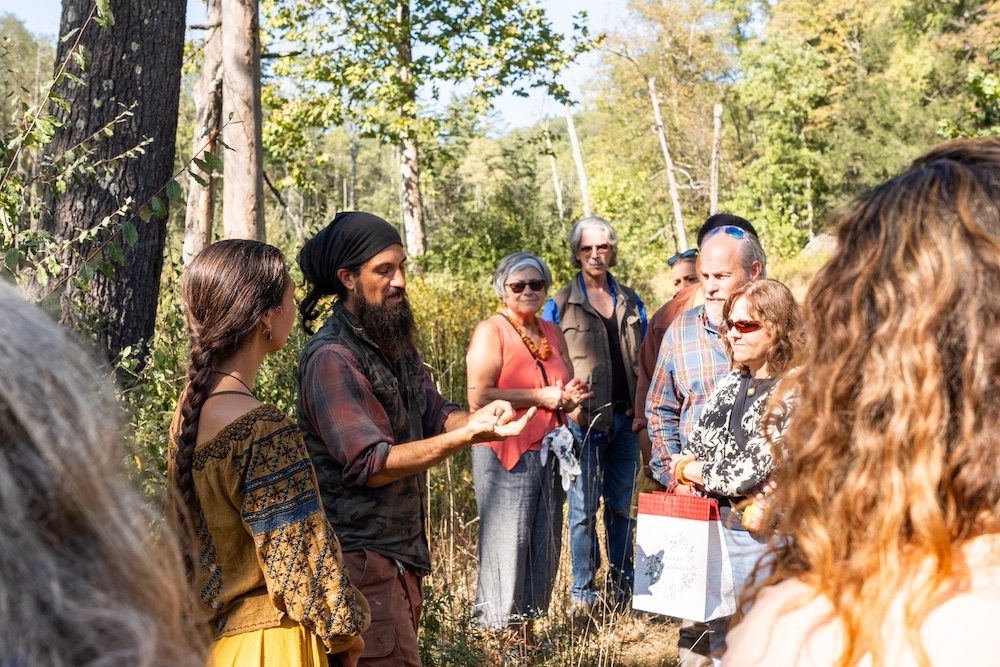
Join them for their upcoming mentorships:
Each session of the mentorship covers two to three body systems as a framework for understanding how herbs work. Learning the body this way helps students see patterns and relationships — how different parts function together, and which plants have natural affinities for specific systems. Over time, this builds the kind of understanding that allows someone to choose and work with plants with greater clarity and intention.
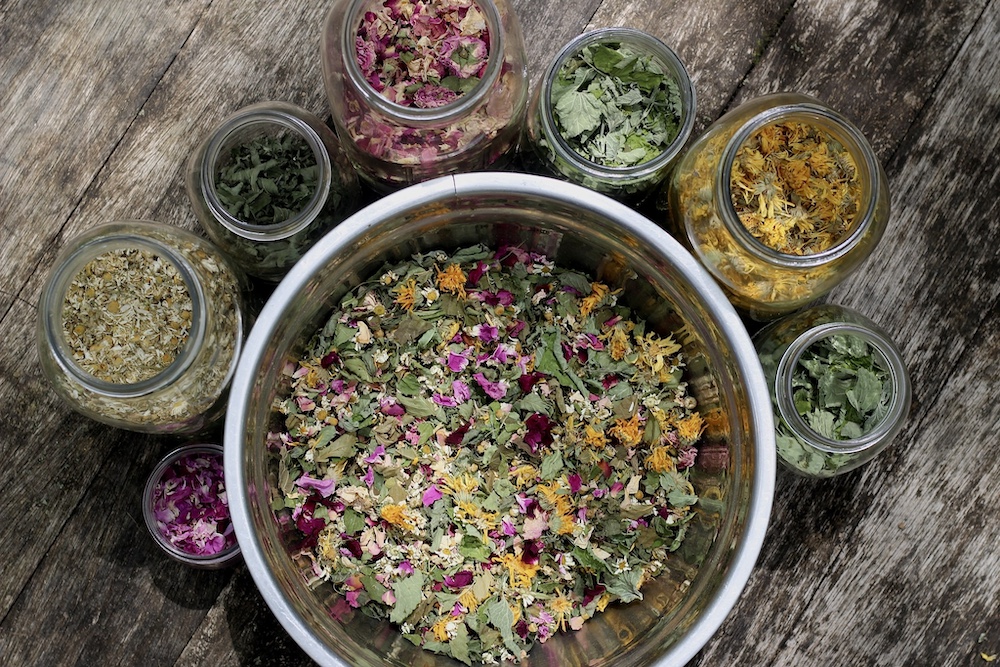
Every session includes hands-on medicine making. Students learn to harvest, dry, and store herbs; to make tinctures, salves, and teas; and to think about simple formulation — how to combine plants for a specific purpose. Each skill introduced builds on the previous one, so that by the end of the year, participants leave with both a working home apothecary and the knowledge to keep stocking it.
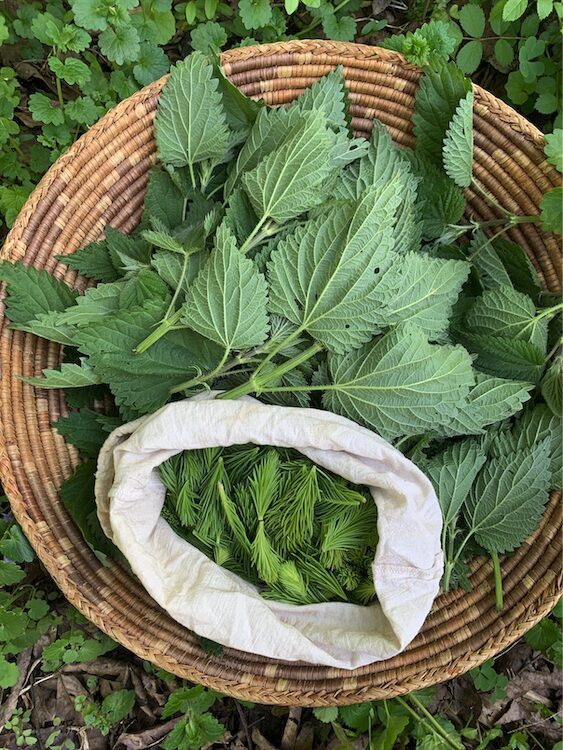
There is also an emphasis on food as medicine — incorporating seasonal plants into meals and daily routines. Chickweed in a salad. Elderflower in a syrup. Nettle in a soup. Simple ways of weaving plant knowledge into everyday life.
Heat of Summer: June 5–7
Early summer increases body heat and intensity, and this session focuses on how that shift is managed through digestion and the skin. We’ll also explore how the skin functions as part of immune defense and how that relates to even our digestive capacity.
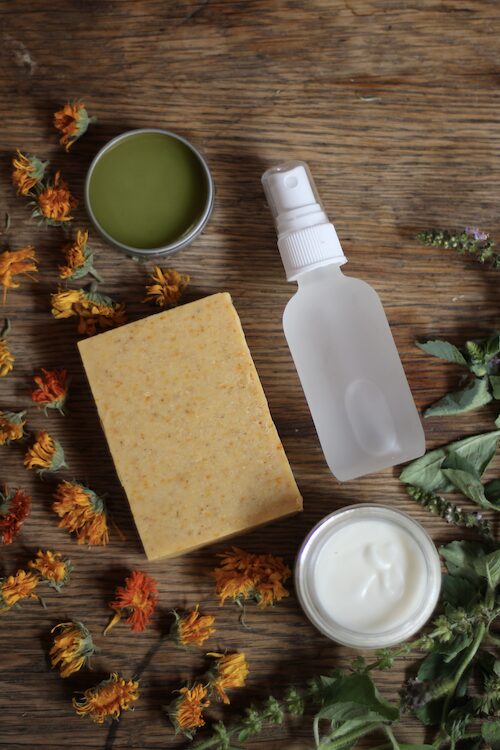
Medicine-making during this session will focus on herbal skin care, including wild harvesting and preparing plants to craft infused oils, and on turning them into creams, poultices, liniments, balms, and salves. You’ll learn how to identify plants with a field guide, to research and understand medicinal properties, and also to develop your “inner oracle” intuitively sensing those qualities before looking them up. This session will focus on working with seasonal summer herbs with plants for topical use, how to infuse them, and how to build simple, effective formulas for issues like dry skin, rashes, minor wounds, and inflammation, and lots more.
We will explore nature immersion therapy and wild skin treatments as a way to reduce inflammation, detoxify, and tonify the skin, the body’s largest organ. The goal is to experience how these practices affect circulation, temperature, and overall body awareness.
- Seasonal Body Shifts & Skin Immunity: How summer heat affects the body, and how digestion and the skin work together to manage that shift — including the skin’s broader role as part of immune defense
- Medicine Making: Creating infused oils and turning them into creams and salves for topical use.
- Herbal Formulation: Choosing herbs for topical use and building simple formulas for dry skin, rashes, minor wounds, and inflammation
- Nature Immersion: Hands-on exploration of urtication with fresh stinging nettle, clay therapy applied directly to the skin, and cold water immersion in the pond — each practiced in sequence to experience their combined effects on circulation, temperature, and overall body awareness
- Wildcrafting & Plant Relationship: Field guide identification, intuitive exploration of medicinal and edible plants, and an introduction to the anatomy and physiology of the digestive system and skin — learning how plants, body, and landscape exist in relationship with one another.
Transition to Autumn: July 31 – August 2
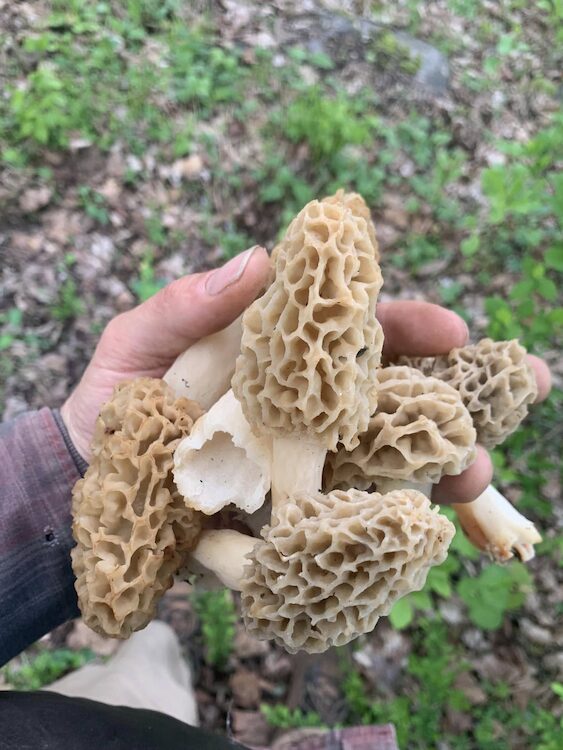
This session focuses on the shift from peak summer toward fall. Even though it’s still warm, the body is beginning to transition — this is a good time to support internal processing, clear buildup, and regulate stress before the colder months arrive. We’ll work with herbs that help the body move accumulated heat and support digestion, alongside plants that calm the nervous system and ease the overstimulation that often comes with a long, active summer.
Medicine-making during this session will focus on preserving herbs and building your home apothecary. You’ll learn proper techniques for drying and storing herbs to maintain their potency, and begin exploring the basics of formulation — how to think about combining plants for a specific purpose. Each skill introduced builds on what came before, so that by the end of the season, you leave with both the knowledge and the supplies to keep your apothecary stocked well into winter.
- Seasonal Body Shifts: How the body begins to transition from peak summer toward fall, and why this is an important time to support internal processing and clear buildup
- Digestive Support & Nervous System Regulation: Working with herbs that help the body move accumulated heat and support healthy digestion, alongside plants that calm the system and ease overstimulation from a long, active summer
- Building Your Home Apothecary: Hands-on practice in drying and storing herbs to maintain potency, the basics of combining plants into simple intentional formulas, and building out your personal supply so that by the end of the season, you have both the knowledge and the stock to carry you well into winter
- Field Guide & Constitutional Practice: Deepening plant identification skills and constitutional observation as the landscape transitions into late summer, learning to recognize seasonal changes in both plants and the body
- Liver, Respiratory & Reproductive Wellness: Exploring herbs traditionally worked with to support the liver and bile system, alongside plants for the respiratory and reproductive systems, with attention to digestion, movement, nourishment, and overall balance as the seasons begin shifting toward autumn.
Preparing for Winter: October 2–4
This session focuses on preparing for winter and supporting the body through the cold and flu season. We’ll explore how infections develop, how the body responds, and how to work with herbs at different stages — from the first sign of illness through recovery. We’ll discuss how to choose herbs that stimulate immune response when needed, as well as those that soothe inflammation, reduce symptoms, and support healing. Prevention is also a key part of this session: how to maintain strength and resilience as the seasons change and the days grow shorter.
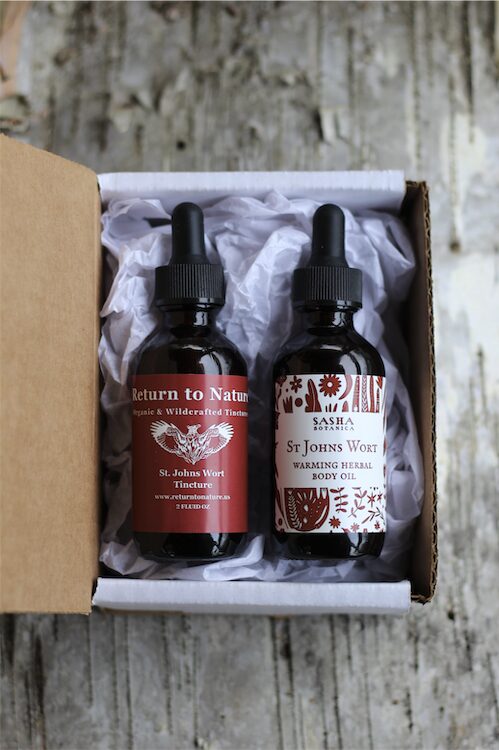
Medicine making during this session will focus on tincturing and warming tonics. You’ll learn how to prepare traditional remedies designed to keep circulation and digestion active through the cold months, as well as how to make tinctures that can be stored and ready to use at the first sign of illness. By the end of the weekend, you’ll leave with the confidence to create your own tinctures at home, continuing to stock your supply throughout the remainder of the season before winter sets in.
- Seasonal Body Shifts: How the body prepares for winter and why this is a critical time to build strength and resilience before the cold months set in
- Understanding Infection: How infections develop, how the body responds, and how to work with herbs at different stages from the first sign of illness through recovery
- Immune Support & Prevention: Choosing herbs that stimulate immune response when needed, as well as those that soothe inflammation, reduce symptoms, and support healing — alongside how to maintain strength and resilience as the seasons change
- Medicine Making: Preparing warming tonics to keep circulation and digestion active through the cold months, alongside hands-on tincturing practice, so you leave with the confidence to continue creating your own at home throughout the remainder of the season before winter sets in
- Preparing for Winter: Exploring the seasonal shift toward roots and inward energy, with herbs traditionally worked with for cold and flu support, infections, and digestive balance, while continuing practical apothecary skills and preparing herbal remedies for the winter months.
We hope to see you soon!
Whether you are new to herbalism or ready to deepen your relationship with the plants growing just outside your door, this mentorship offers something for everyone.
> To reserve your spot or learn more, visit Sasha’s Mentorship page
> Follow/Connect with Dan de Lion via Website | Facebook | Instagram
The green world is waiting!
All photos courtesy of Sasha Botanica.
+ + +

Sasha Botanica inspires others through hands-on workshops and collaborations with local artists and herbalists in the Hudson Valley, encouraging a deeper connection to nature and community. Her mission is to empower people to explore the healing power of plants and to create unique products that reflect the beauty and gifts of the natural world. Want to know more? Check out our Exclusive Interview. You can take a class, order her products or book Sasha for your private event.
Follow/Connect with Sasha Botanica > Website | Facebook | Instagram | INSIDE+OUT Spotlight
Discover the magic of the Hudson Valley’s rich soil and bountiful nature with Sasha Botanica’s organic herbal oils, carefully crafted to be not only delicious but also rich in the healing benefits of herbs. Whether you’re a seasoned chef or just love to experiment with flavors, our organic herbal oils from Hudson Valley provide a unique touch to any dish, making them an essential part of your culinary journey.
Related Posts


Write a Comment
You must be logged in to post a comment.