


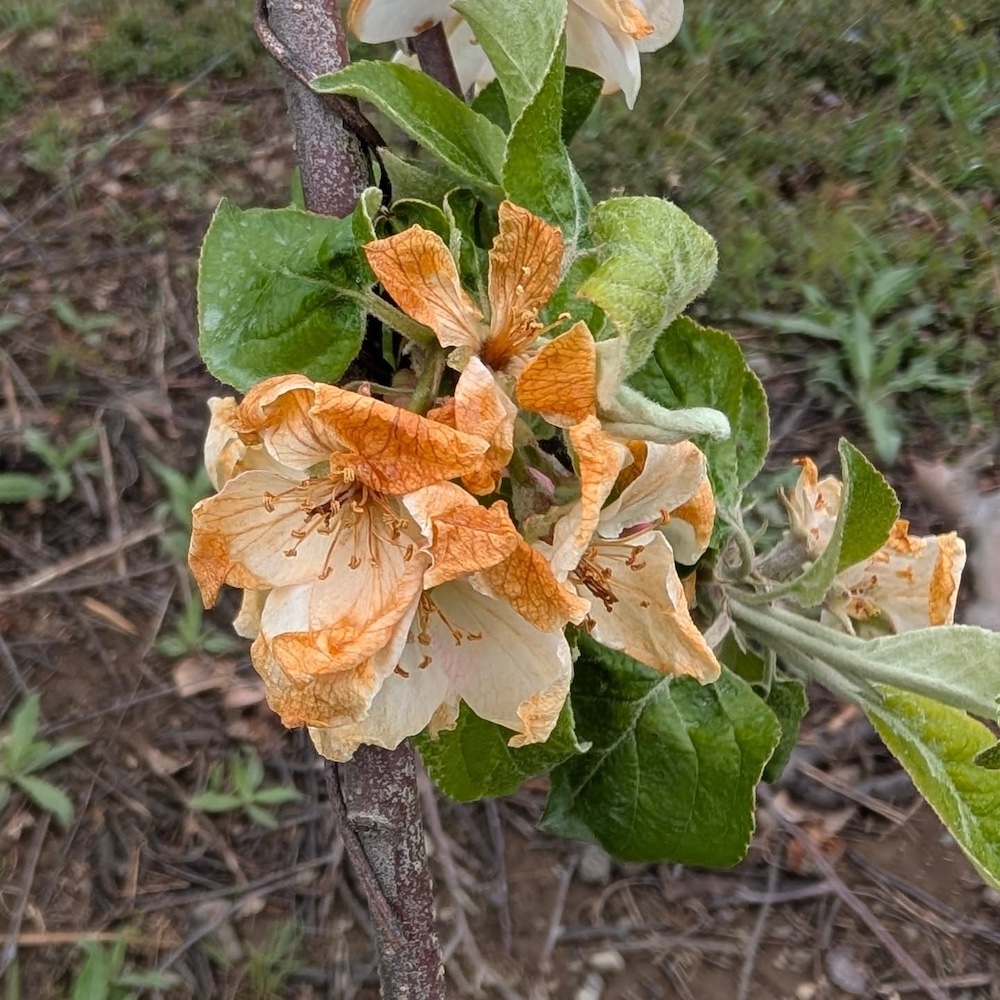
April Freeze Fallout: Hudson Valley Fruit Farmers Seek Community Support
“I can’t wrap my head around it because it’s just so devastating,” says fruit farmer and winemaker Dan Heavens as he tries to quantify the losses caused by the catastrophic late-spring frost that hit the Mid-Hudson Valley on April 21. Heavens, who has owned and operated Quartz Rock Vineyard and Nightingale Farm in Marlboro NY, with his wife, Jacqui Ferrari Heavens, for six years, estimates that he lost 50% of his grape harvest and suffered heavy damage to many of the apple, stone fruit, and cherry trees in his orchards.
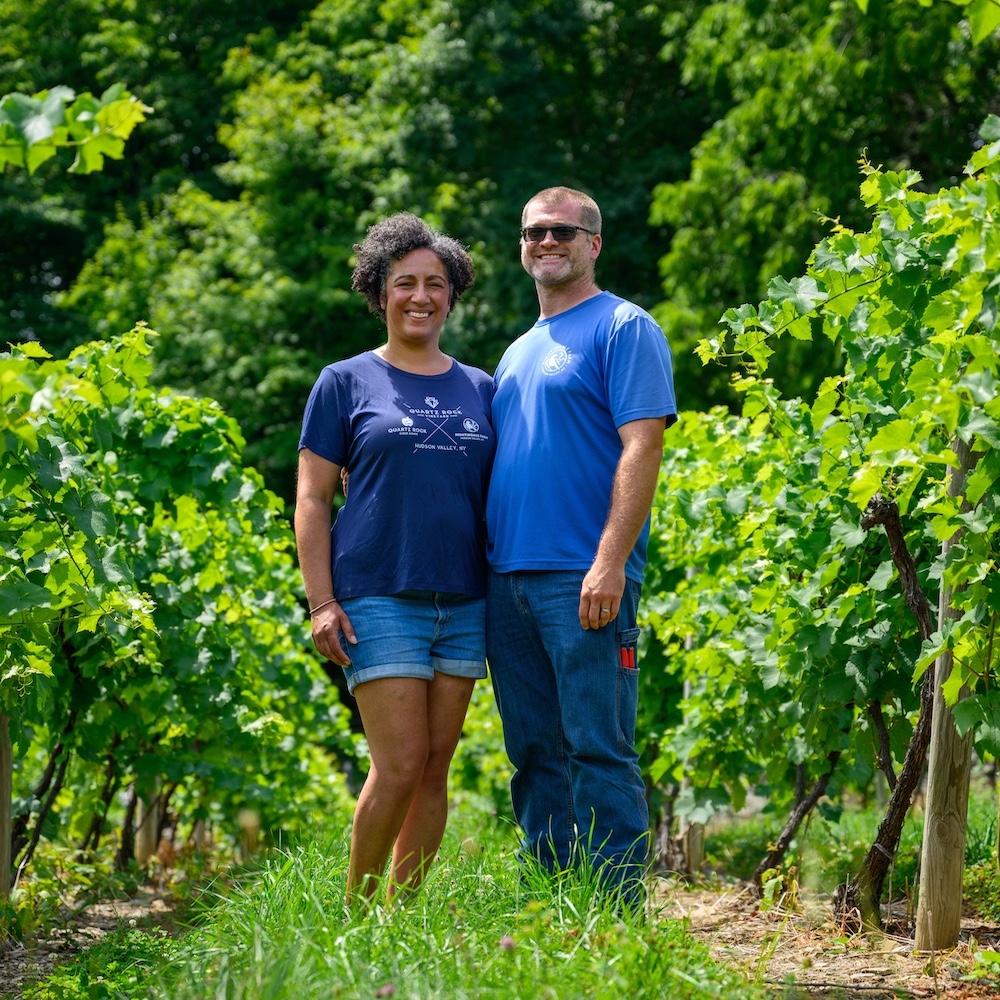
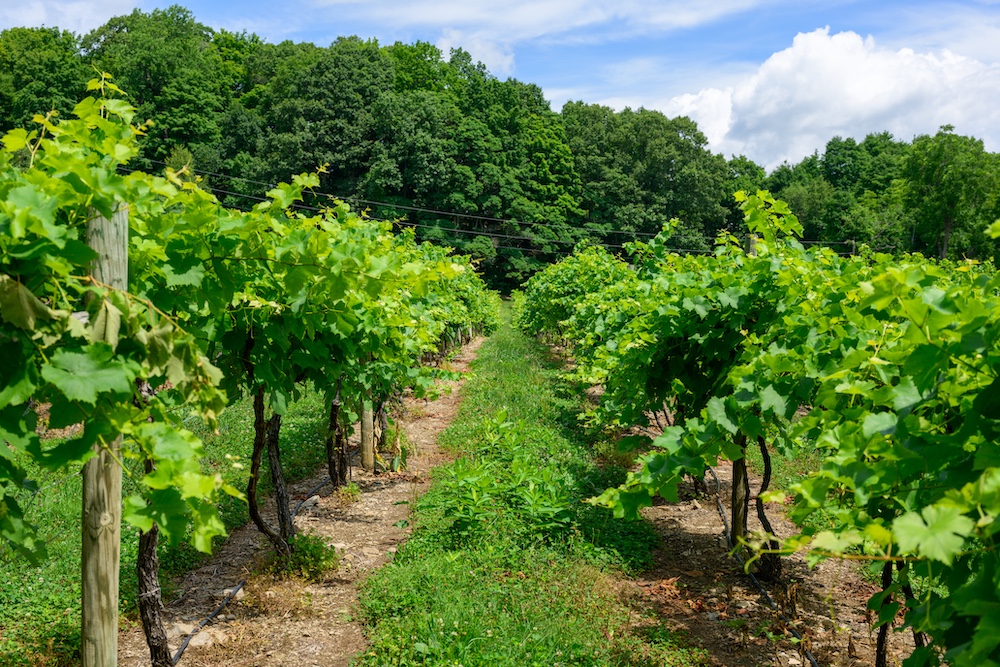
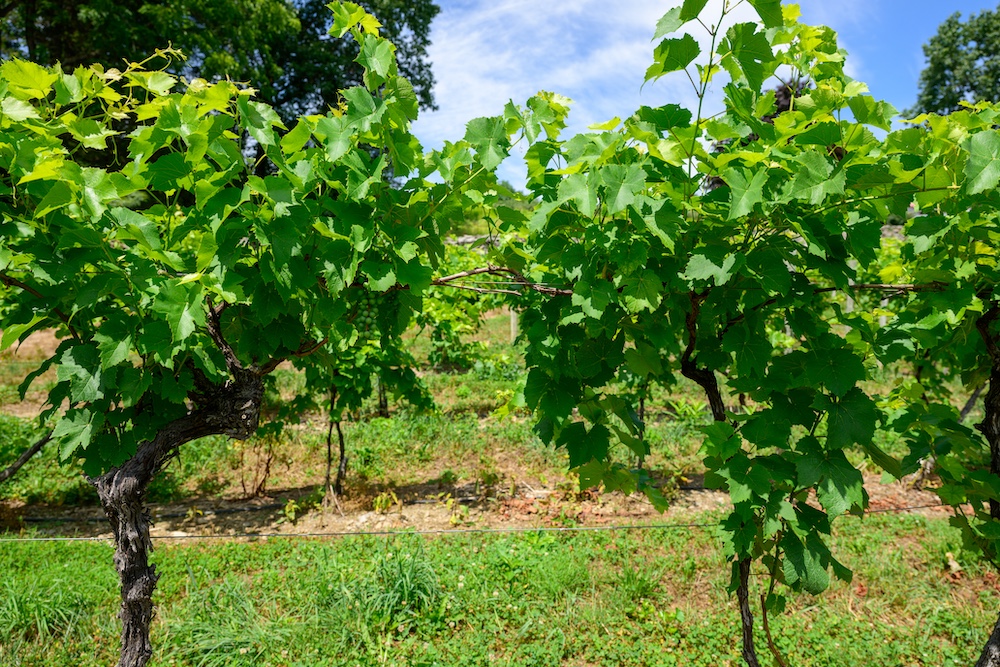
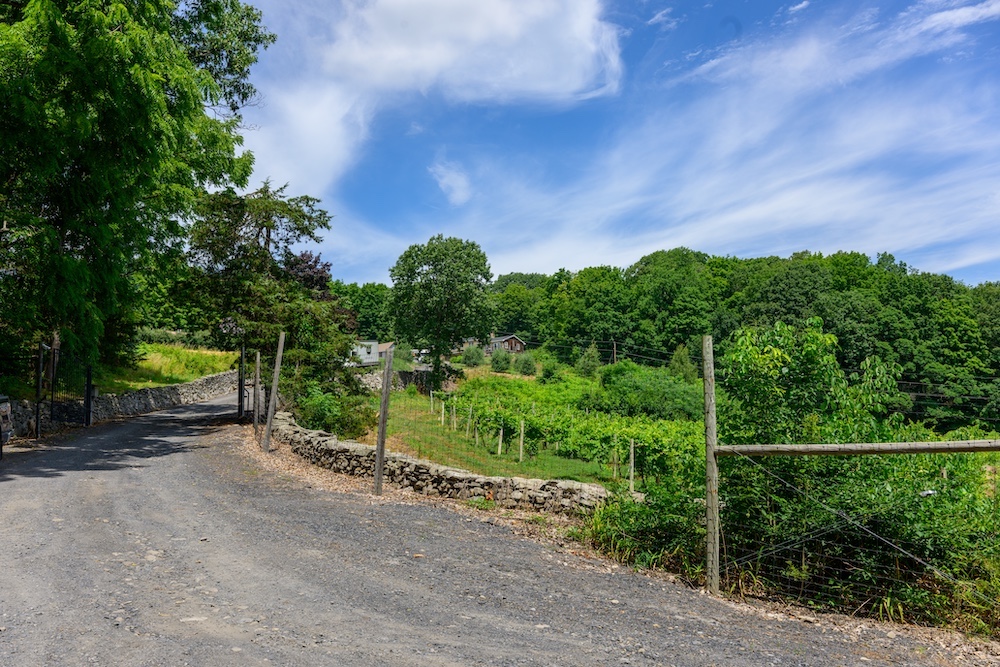
Photos by Tom Weis
The Vidal Blanc grapes that produce Quartz Rock’s popular dry white wine were decimated and won’t be available at all, says Heavens. Along with a 50% loss of Cabernet Franc grapes used for their award-winning medium-bodied red wine, this has significantly impacted revenue for future years to come. Among the most impacted wineries in the Hudson Valley, Quartz Rock produces only estate wines and ciders, meaning grapes or apples from outside farms can’t be substituted when a loss like this takes place. “That’s 75% of revenue gone, and there’s nothing you can do to replace it,” Heavens states flatly.
EXTREME WEATHER LEADS TO DESPERATE MEASURES
In the early morning hours of Tuesday, April 21, 2026, temperatures in the Hudson Valley fell below freezing, into the low 20s, for an extended period of time over two days. Crucially, the cold weather event took place after four days of inordinately high temperatures in the 80s and 90s that caused fruit trees and plants to blossom early. The late spring frost crystallized moist air and severely damaged or killed the tender new buds (encapsulating the seed) that would have yielded apples, pears, grapes, strawberries, and stone fruits (such as peaches and plums) for this year’s harvest.
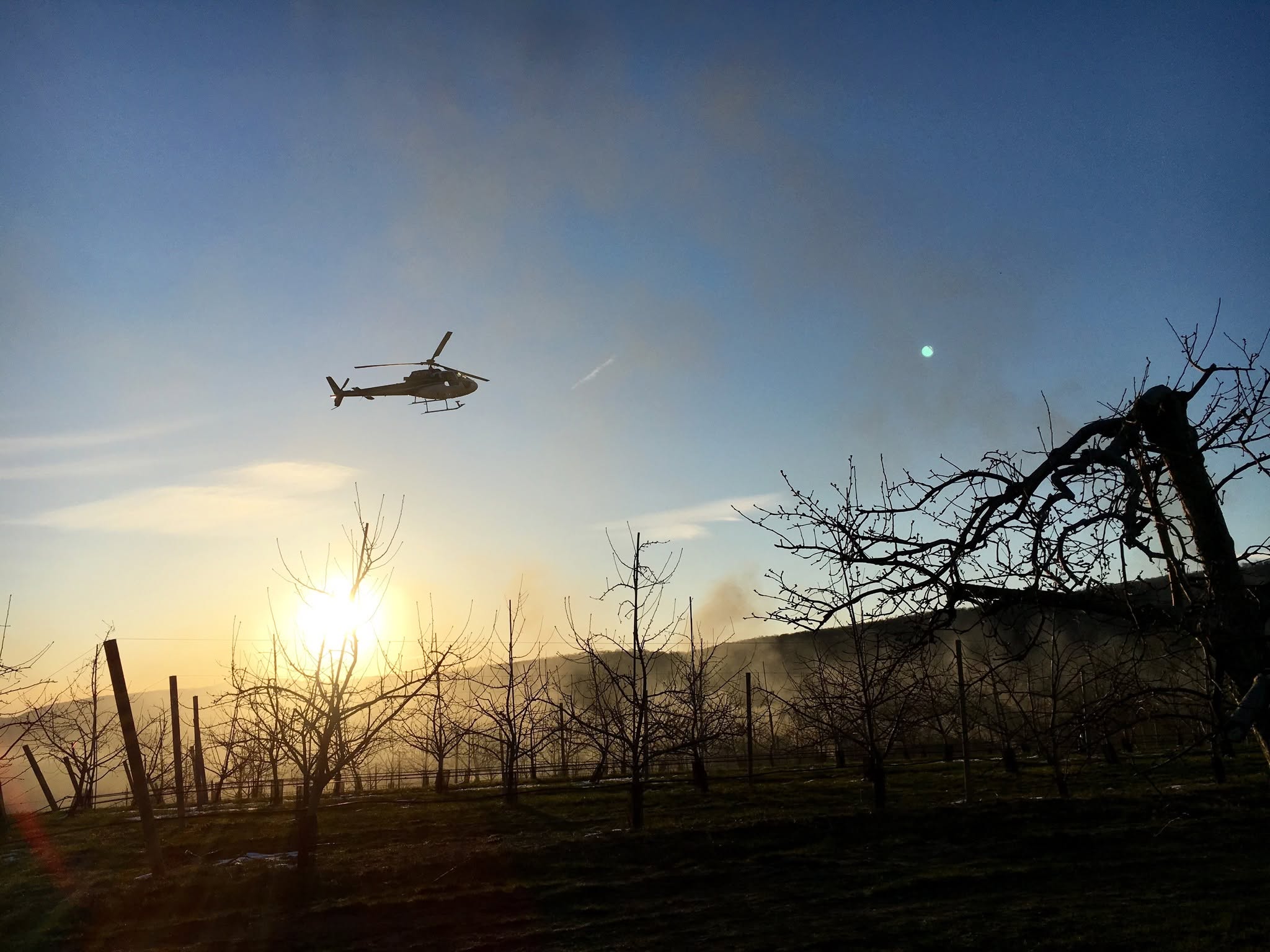
Fishkill Farms
-
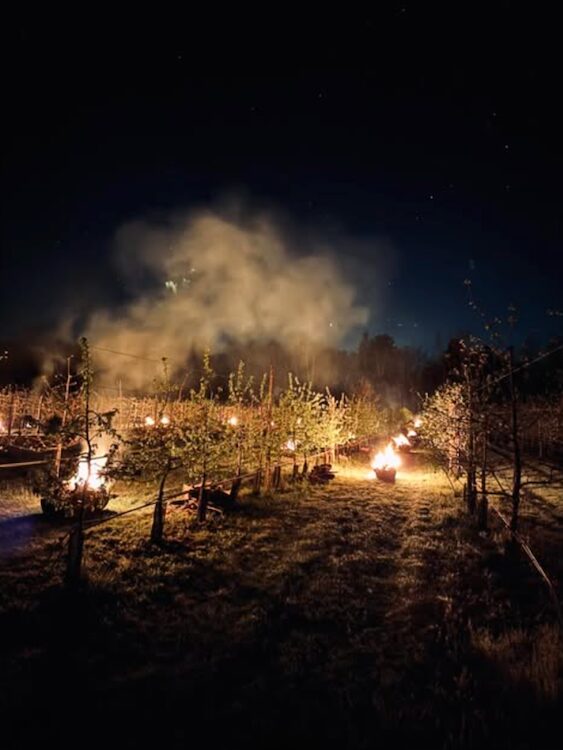
- Westwind Orchard
-
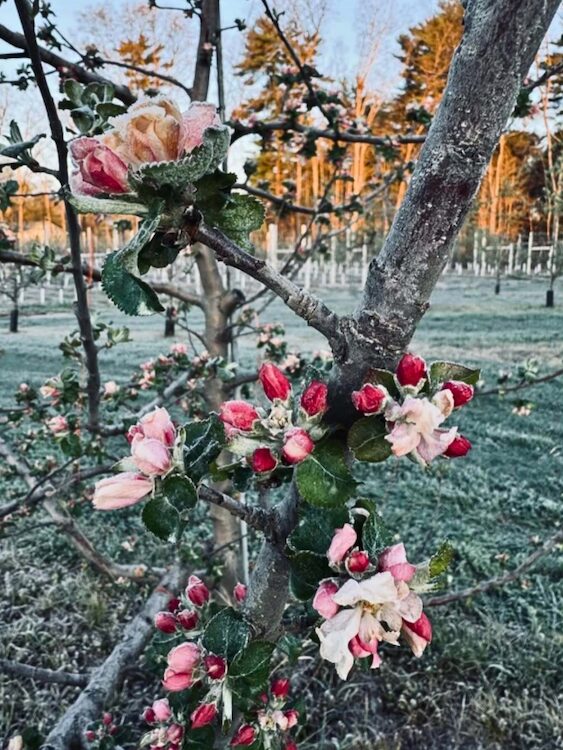
- .
In the days following the freeze, many Instagram posts by local farmers documented their fervent nighttime efforts to push warmer air down onto their freezing crops. With the help of concerned community members, they built bonfires, ran wind machines, and even hired helicopters to fly above orchards and stir up whatever warm air was available. Unfortunately, temperatures stayed at 20 degrees for two nights–too cold for any of those desperate measures to work.
Dressel Farm
-
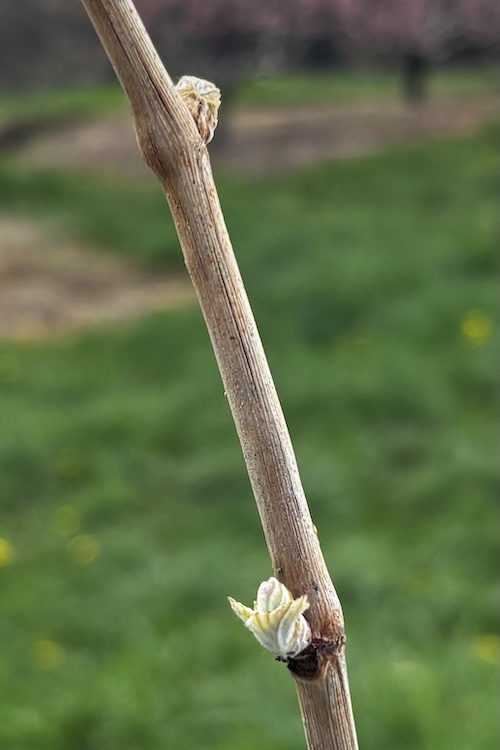
- Before: grape vine buds at Quartz Rock Vineyard.
-
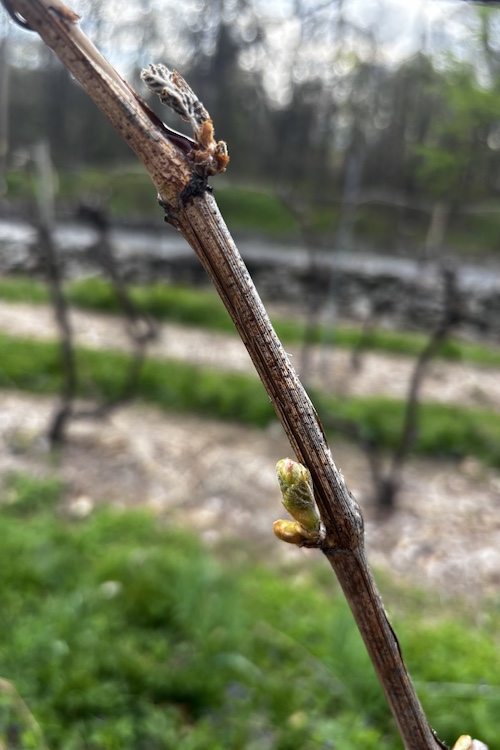
- After: grape vine buds at Quartz Rock Vineyard.
The extreme weather events affected fruit orchards and vineyards across several New York counties and states up and down the Eastern Seaboard, but fruit farms in Ulster, Dutchess, and Orange Counties were hit hardest. There are approximately 700+ fruit farmers in the Hudson Valley, and some have lost up to 90 percent of their crops, according to the Office of Ulster County Executive Jen Metzger. Farmers across New York overall have sustained economic impacts of more than $30 million, the office reports.
While some local wineries might be able to produce white wines this year with grapes that survived the cold snap, their red wines will be impacted for several years down the road, according to Heavens. That’s because such wines are composed of grapes that would have been harvested this fall, then aged and bottled for sale in the next 2-5 years. As for apples, whole varieties like Red Delicious and Pink Lady were wiped out. Other varieties that fared better might be available for picking in October, but only if they are not too scarred by frost for consumers’ tastes. Heavens says this could create a demand for apples that will most likely be filled by larger-scale, out-of-state producers.
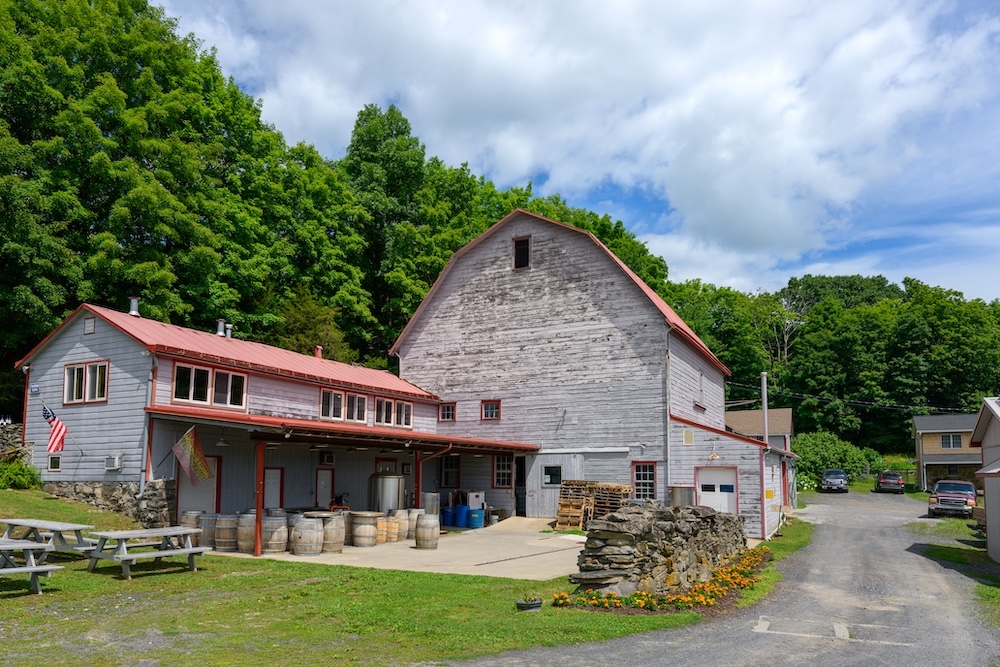
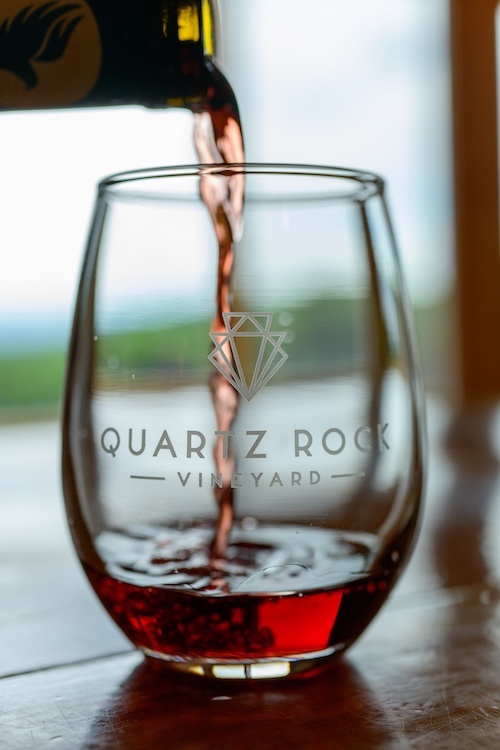
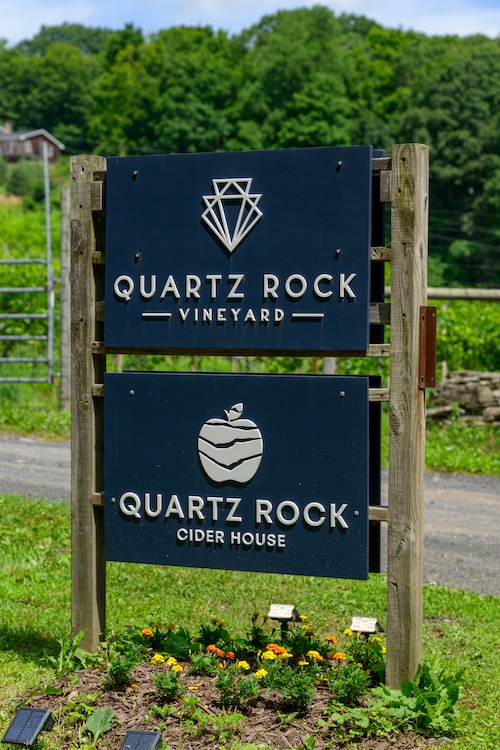
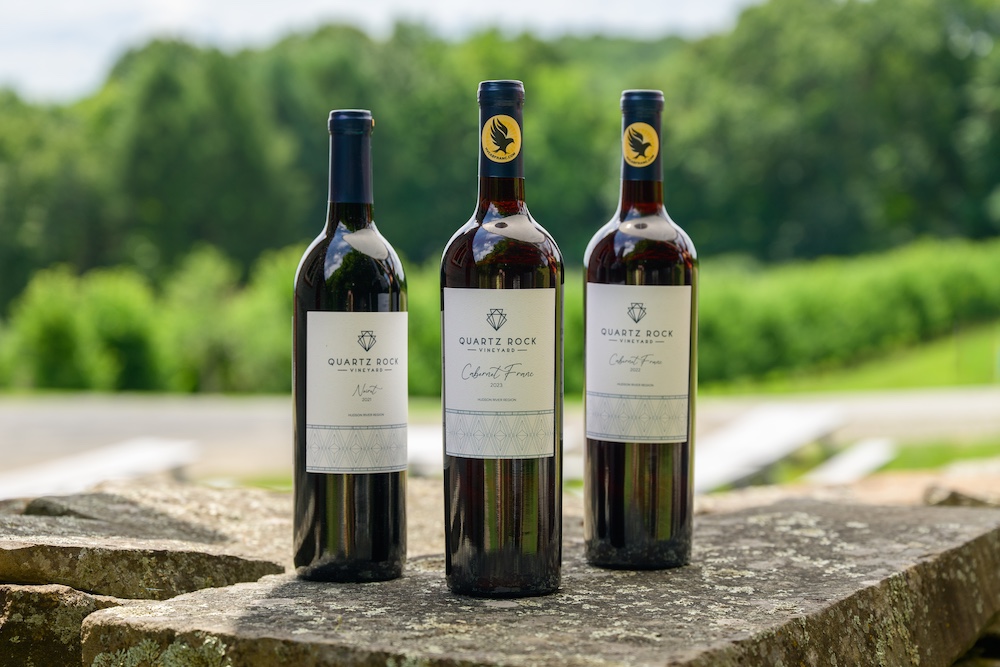
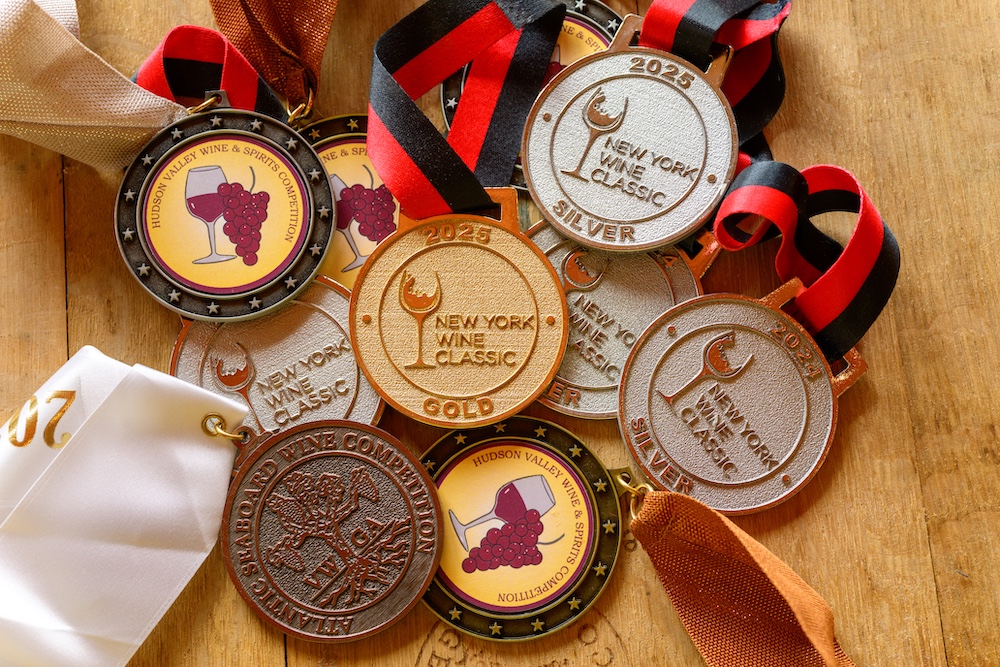
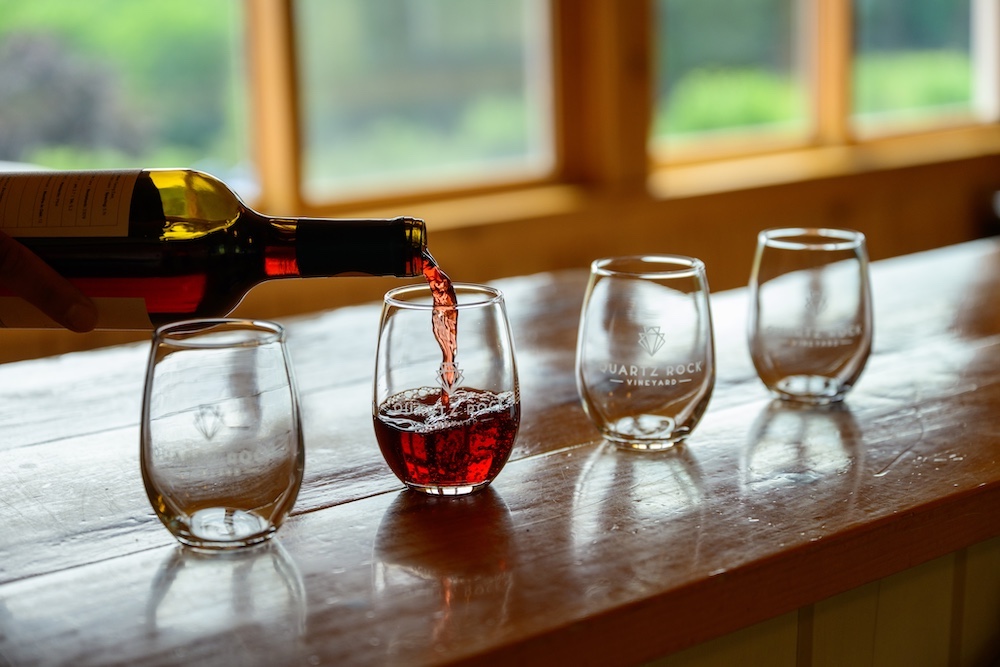
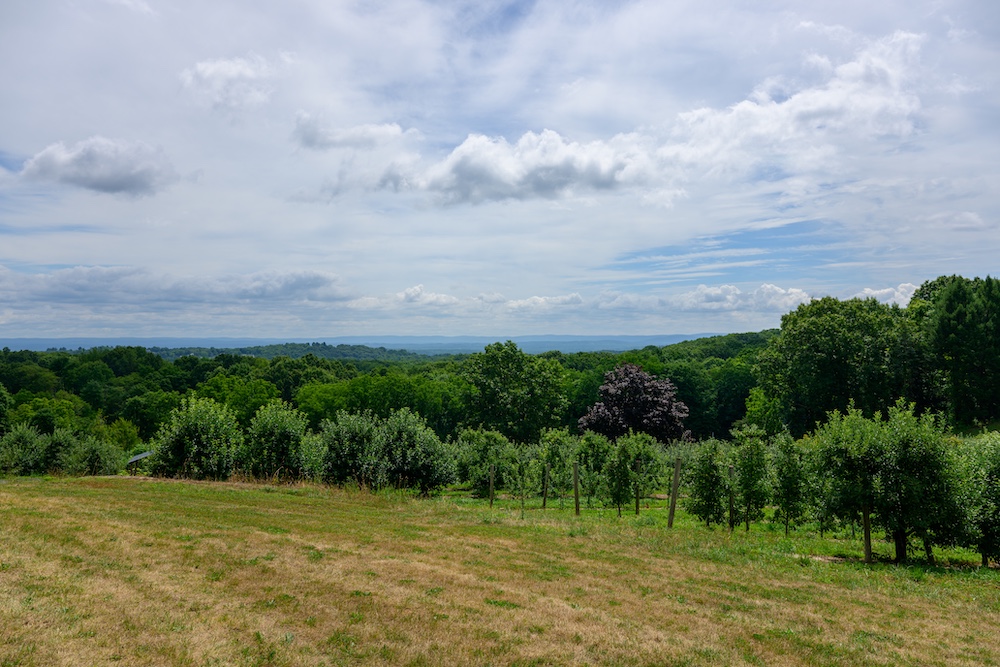
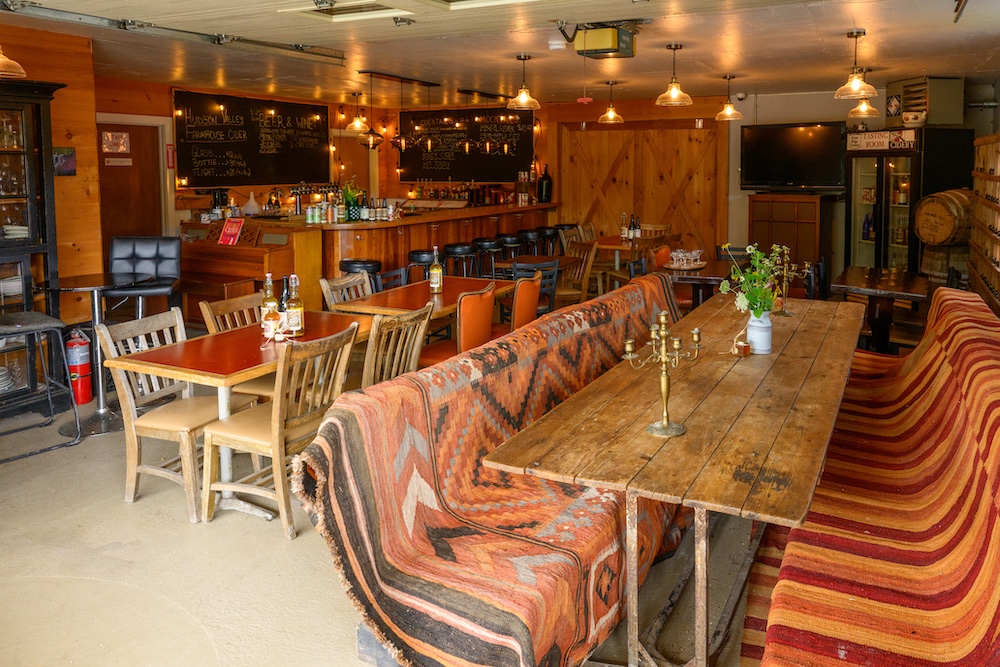
Quartz Rock Winery + Cider House, Photos by Tom Weis
Heavens explains that federal-level insurance is usually vastly insufficient and takes too long for payments to reach farmers. But taxes, mortgages, fuel, wages, and all the costs associated with running a farm won’t wait. “If there was a healthy (crop) insurance program, these decisions could then be pushed down to the farmers, and they could make their own risk-based decision based on their own operation,” says Heavens, suggesting a more efficient relief model that has yet to take shape.
EAT + DRINK + BUY LOCAL!
Following a May request for support by Governor Kathy Hochul, on July 25th USDA Secretary Brooke Rollins issued a Disaster Designation for New York farms devastated by April’s extreme weather. The Disaster Declaration will enable farmers to access low-interest loans to help get them through the year, and will also provide temporary relief from payments on existing federal loans, according to the office of Ulster County Executive Jen Metzger. In June, Metzger and Dutchess and Orange County Executives co-signed a letter affirming their support, along with US Representative Pat Ryan, D-Gardiner and State Senator Michelle Hinchey, D-Saugerties.
“We all pushed very hard for this federal relief, which couldn’t come soon enough for our family farms,” said Metzger.
While the announcement is good news, most farmers say they prefer federal grants to loans. Ongoing extreme weather events necessitate more loans with climbing interest rates, putting farmers in a debt spiral. Instead, farmers say they would rather see consumers use their purchasing power and buy directly from Hudson Valley growers.
“Number one, visit as many local farms, farmstands, and wineries as possible and support them. It might not seem it, but that bottle of wine you buy does a lot for the wineries,” Heavens emphasizes.
Added-value products, such as jams and donuts, will also be for sale. “If you do shop at local supermarkets, ask the produce manager for New York products. That goes a long way. It’s so simple, but it matters a lot in their purchasing decisions.” Finally, Heavens also asks New Yorkers to “reach out to senators and representatives to support local farmers.”
“Drink local,” advises Yancey Migliore, who co-owns Whitecliff Vineyard and Winery with her husband, Michael Migliore. “The absolute bottom line is if people in the Hudson Valley want to continue to enjoy the farmland and sense of place that we have here that’s so special, they need to expand their horizons and realize that there is world-class wine made in the Hudson River region,” she says.
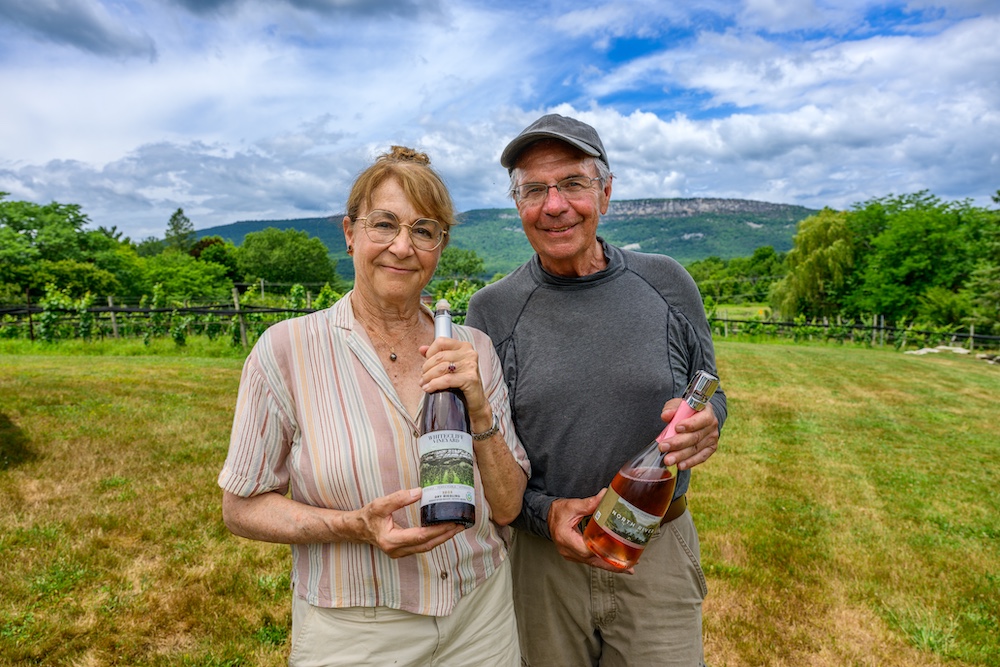
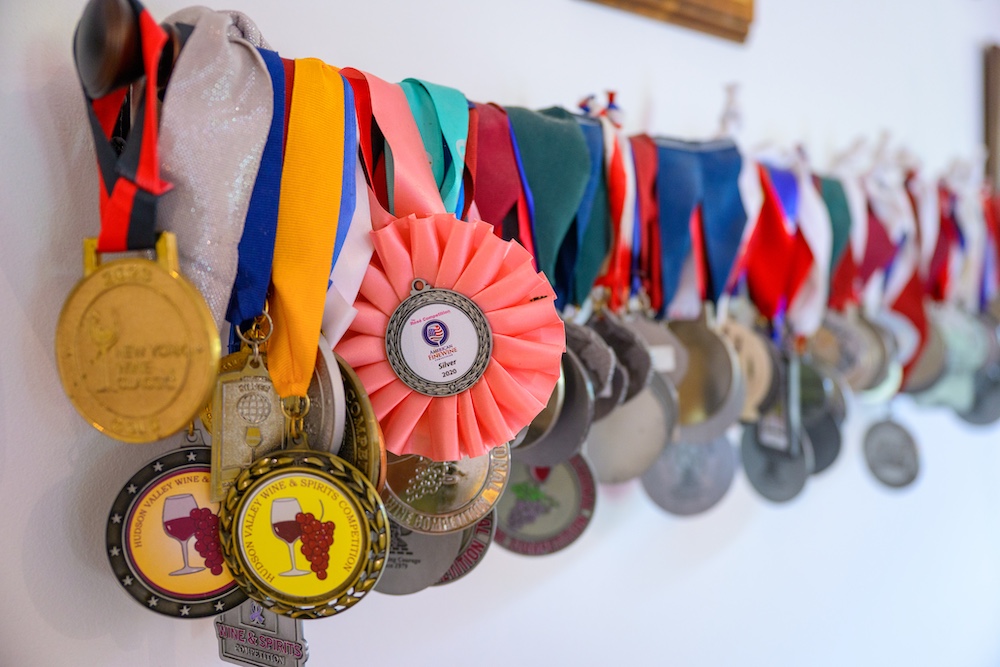

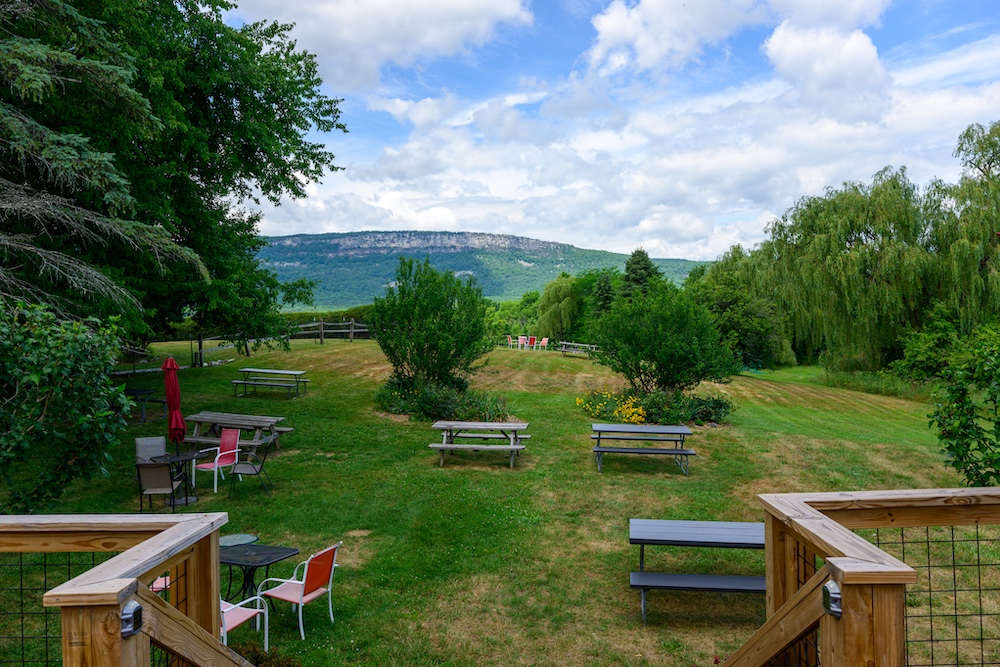
Whitecliff Vineyard & Winery in Gardiner NY, Photos by Tom Weis
The Migliores have been farming twenty varieties of grapes in the Hudson Valley for thirty years and own vineyards in both Gardiner (Ulster County) and Hudson (Columbia County). When the April freeze hit, “our home vineyard in Gardiner was really flattened…so there were major losses there, but the saving grace was our second vineyard in Hudson, which, as far as we know, is the only vineyard in the Hudson Valley that was not damaged at all by the frost,” says Yancey. “Vines were fully budded out and yet had no damage. So that’s very helpful, but now our eggs are all in that basket for the remainder of whatever the year may have to offer. It’s deeply upsetting and difficult,” she adds.
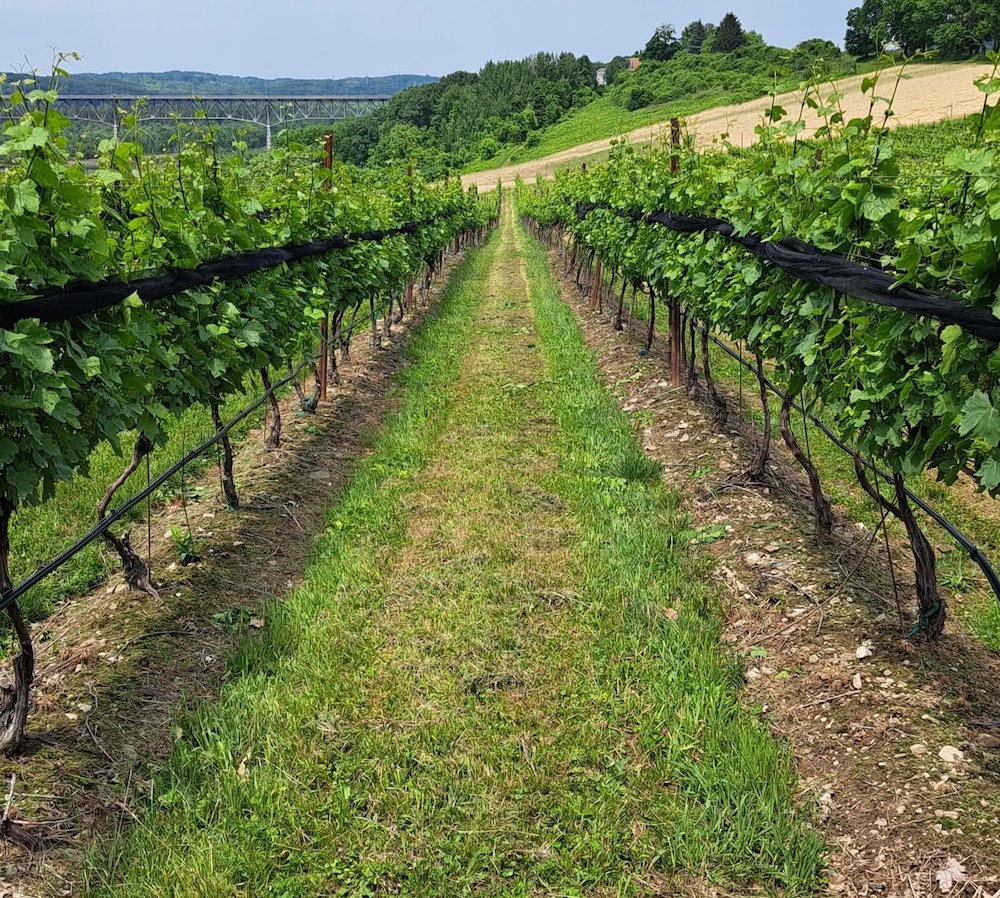
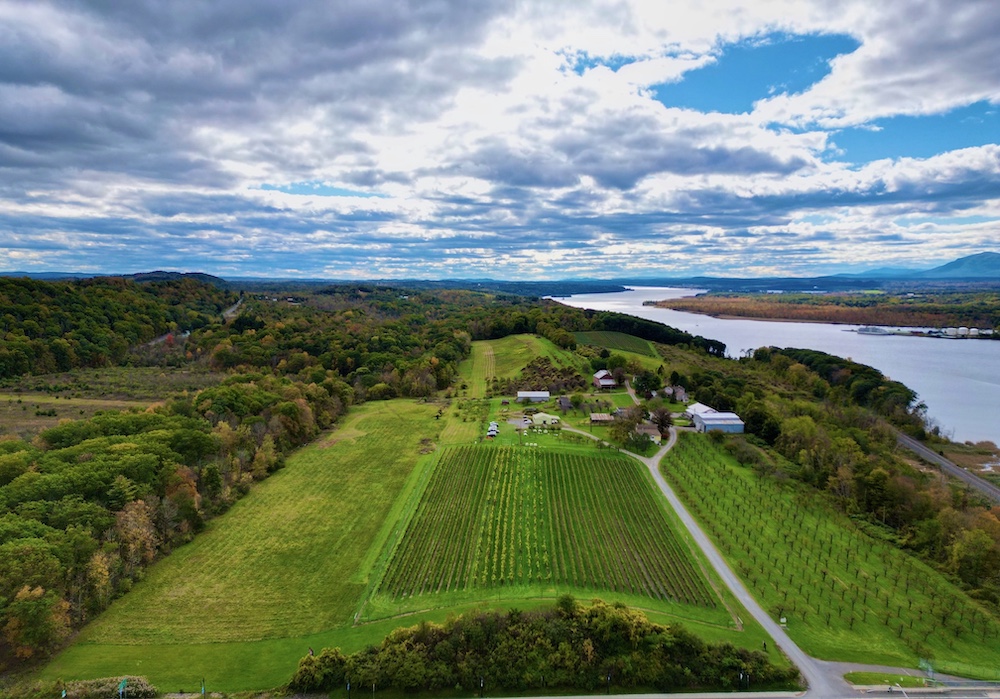
Hudson Whitecliff Vineyard, Photo by Jamie Klein
Michael Migliore says 16,000 vines will produce no grapes this year and will each require work to bring them back up onto the trellis across the 27 acres of the couple’s Gardiner holdings. But temperatures were ten degrees warmer in the Hudson vineyard due to proximity to the Hudson River and the downhill movement of cold air away from the crops and toward the water.
Despite the good fortune of their Hudson vineyard, the Migliores explain that they still must cover the cost of maintaining the remaining crops, minus the proceeds from their now-devastated Gardiner vineyard. They must also compete with other farmers vying to buy grapes from New York growers to offset their losses.
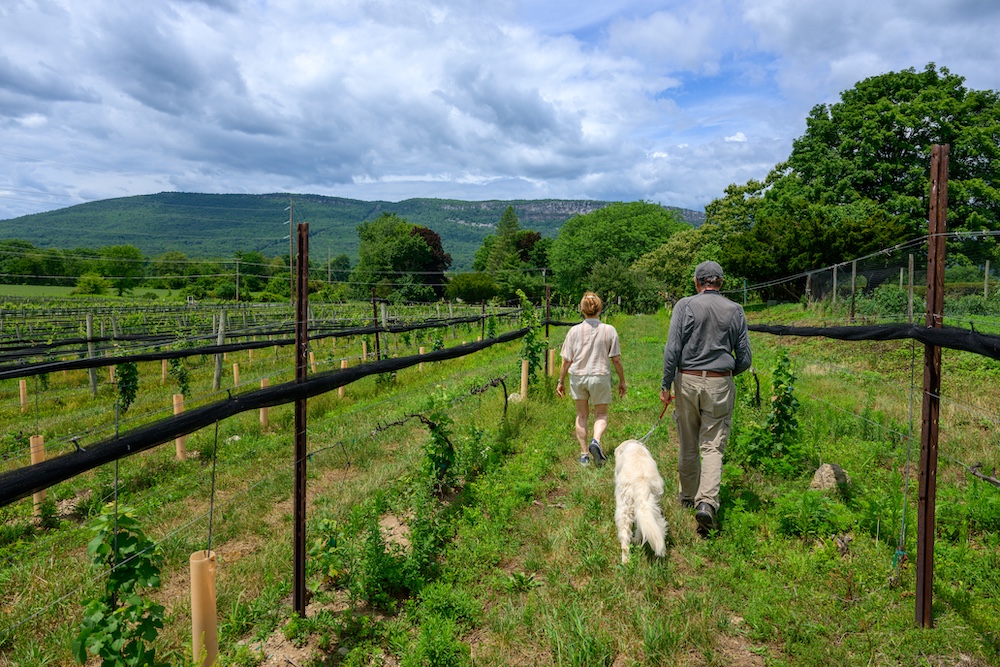
100% Loss at Whitecliff Vineyards in Gardiner NY
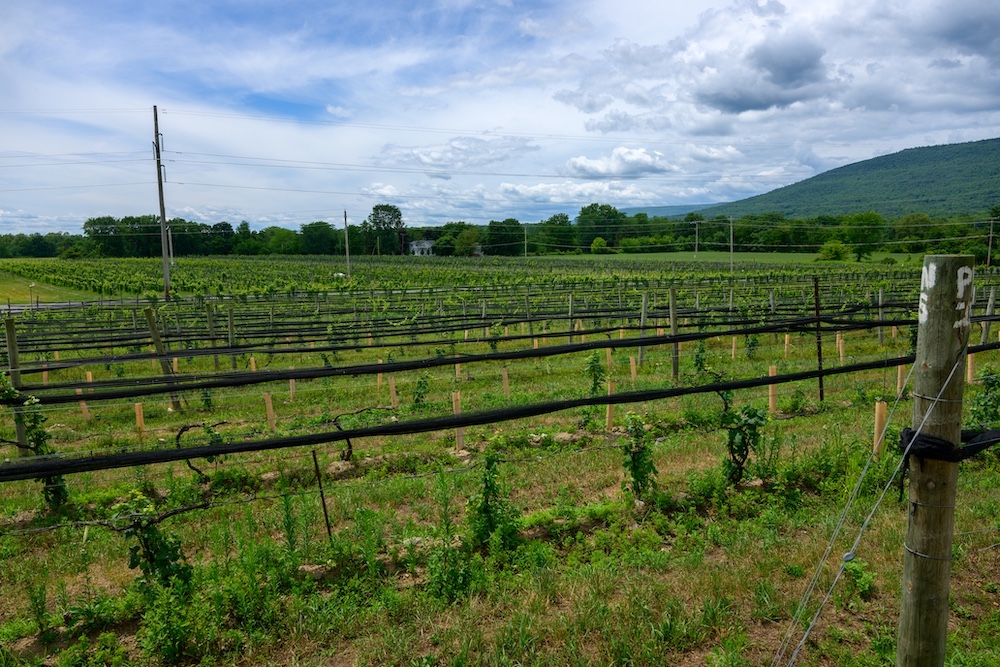
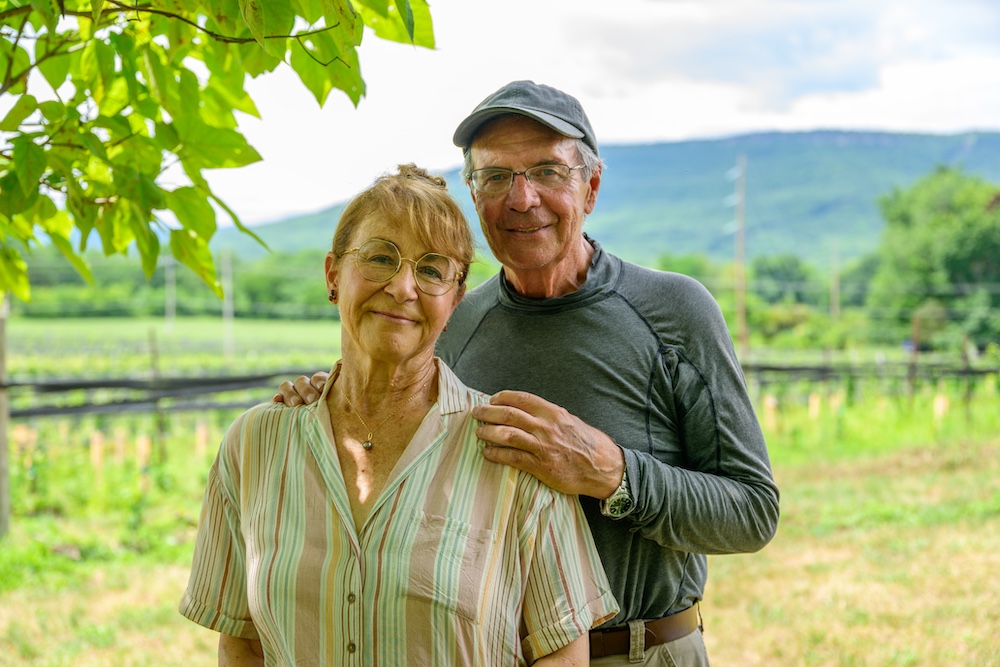
Photos by Tom Weis
The couple feels that loans are not ideal because of high interest rates and concurs with Dan Heavens of Quartz Rock Vineyard that the usual government payout rate for disaster relief for specialty crops amounts to only 30% of losses. “Grants are what we need,” says Yancey. Farm-based businesses like their own would benefit greatly from enhanced federal and state grant support so they can salvage what they can and prepare for next year. Exemptions to buy supplemental grapes from other states would also be very helpful, she adds. Normally, New York farm winery licensees are restricted to using only New York grapes; a special exemption allowing purchase from other states would be helpful in the current crisis.
To make up for these huge losses, Yancey implores local shoppers to think twice before they buy more widely known European or West Coast wines. “You do not need to buy your wine from France or Italy or California to get great wine, so it’s not about lowering your standards. It’s about opening your eyes” to see “quality in your back yard,” she offers.
-
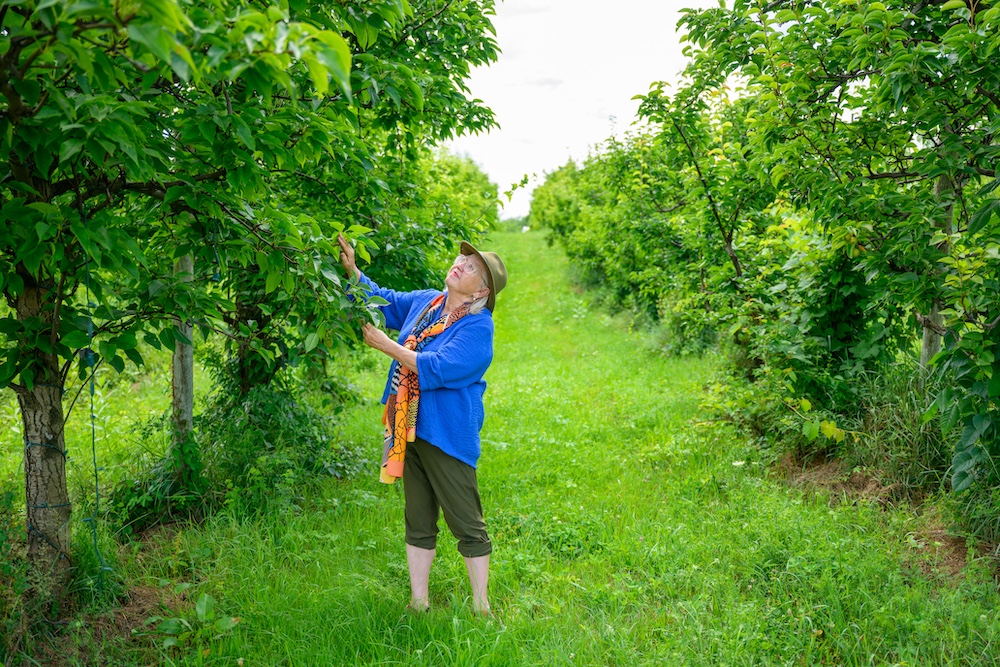
- Naked apple trees, Photos by Tom Weis
-
- .
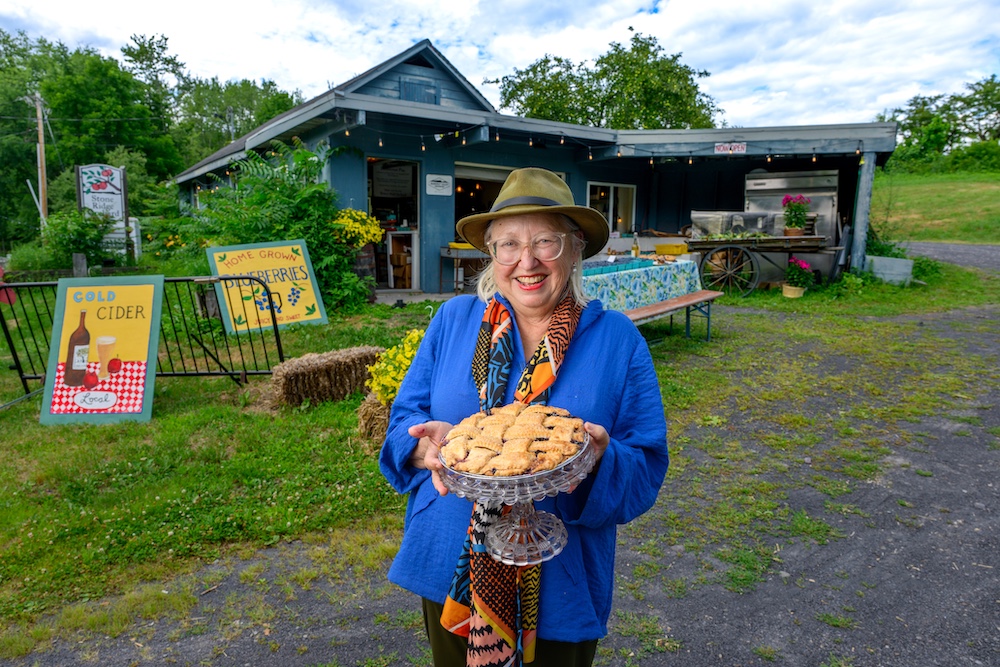
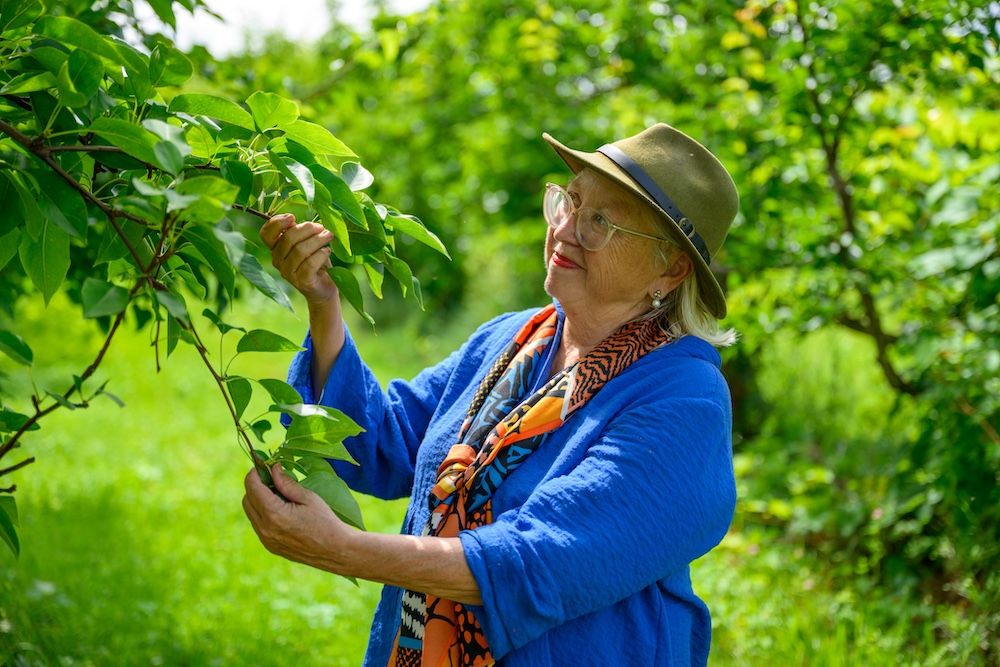
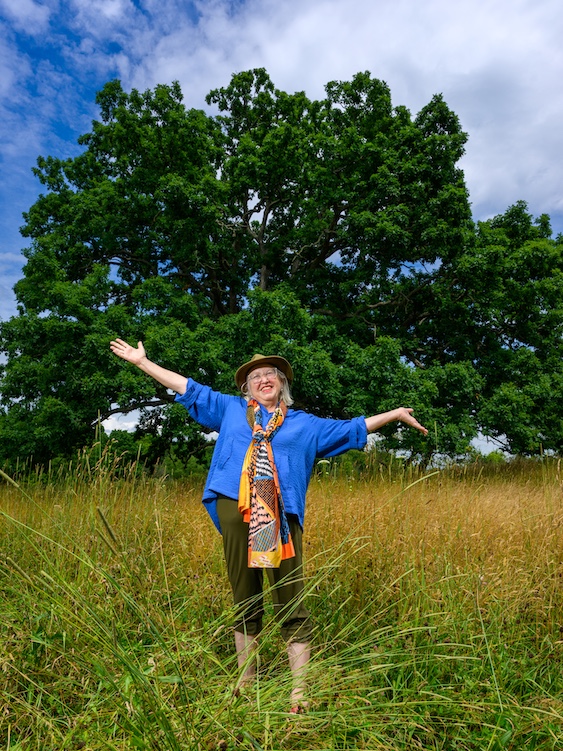
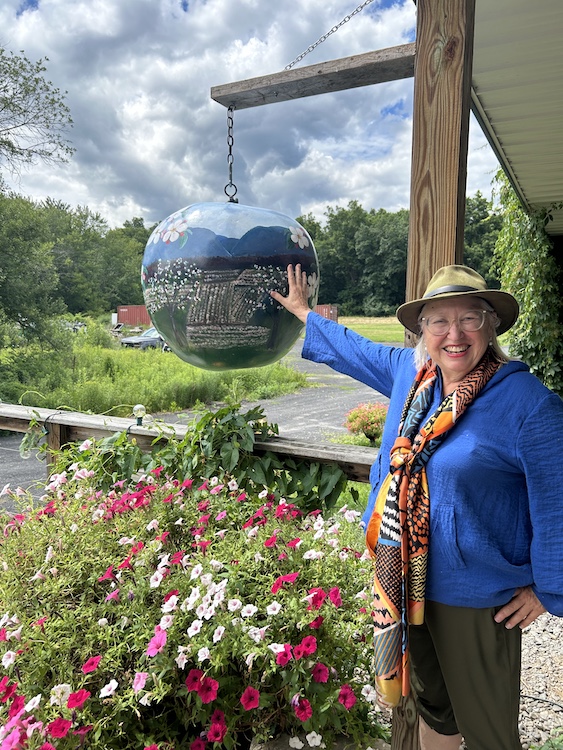
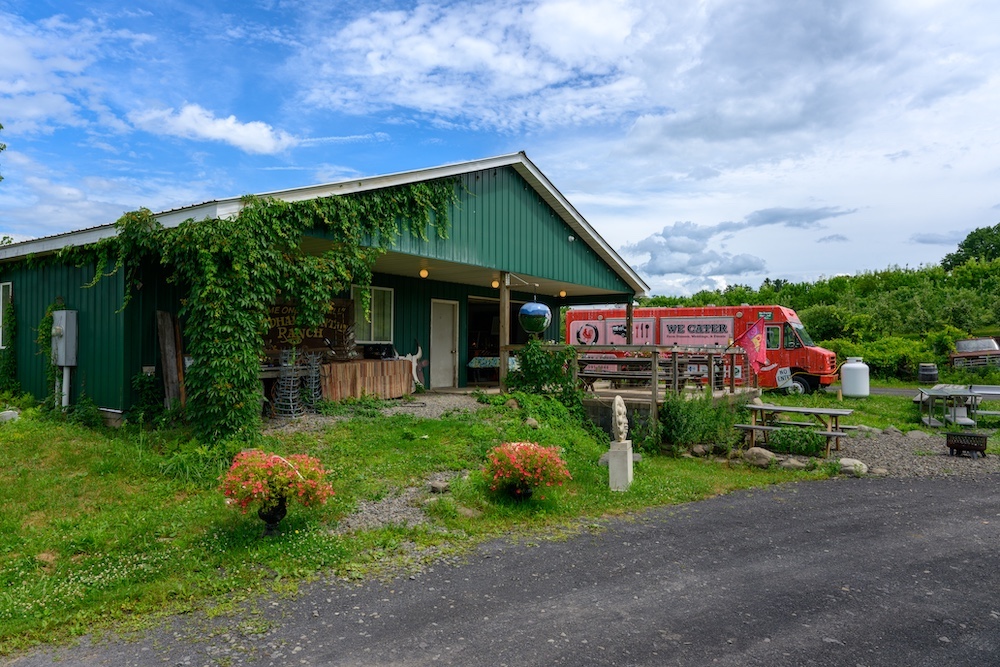
Elizabeth Ryan, who has farmed for over fifty years and owns and operates several fruit farms, including Stone Ridge Orchard in Ulster County and Breezy Hill Orchard in Dutchess County, agrees that “Every dollar that somebody takes and (gives) directly to the store or the restaurant, that’s all good, but when you go to a market or a farm stand and you put that money into that grower, they get all of that money.”
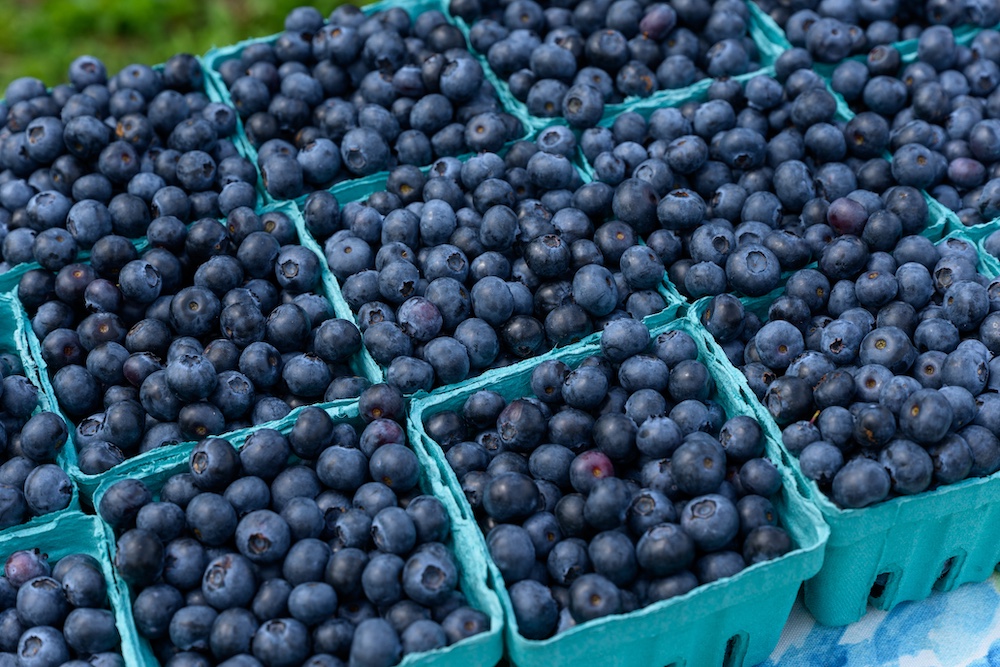
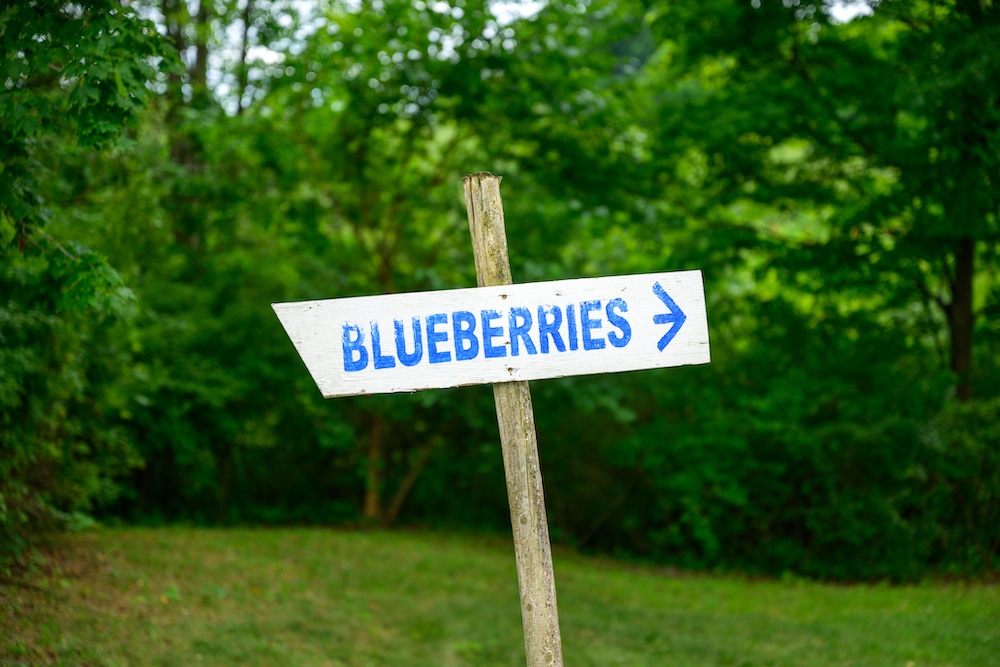
“Blueberries are gonna save us this year” is an aphorism in which Ryan takes great stock. Despite losing 50% of her fruit crops this year, she says that blueberries were not affected, so she hopes sales from public picking this summer and in the fall will help soften the blow.
-
- Photo by Tom Weis
-
- Photo by Urana Kinlen
-
- Photos by Tom Weis
-
- .
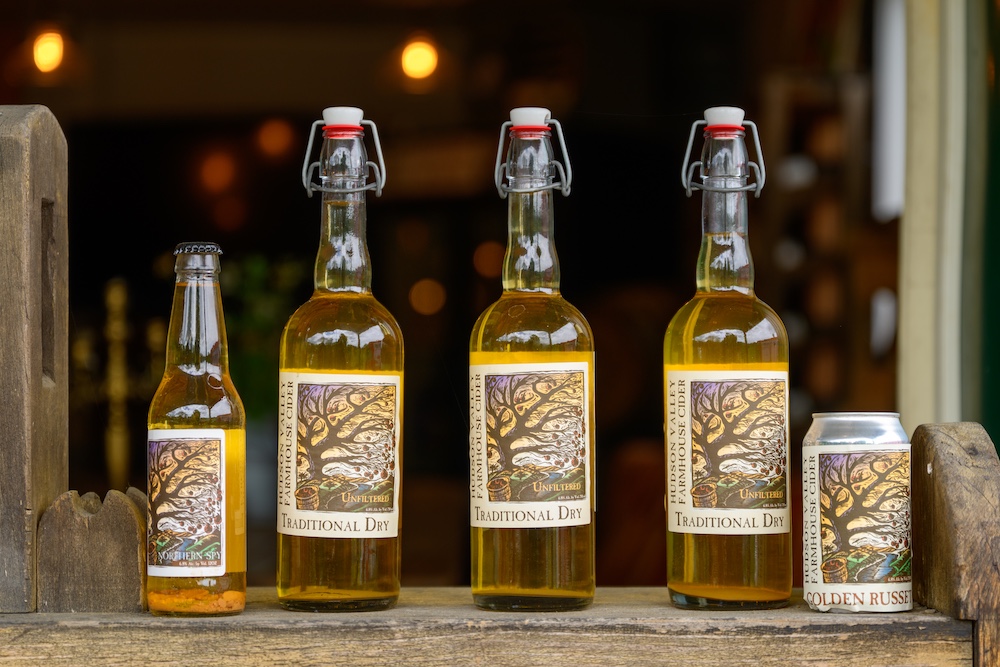
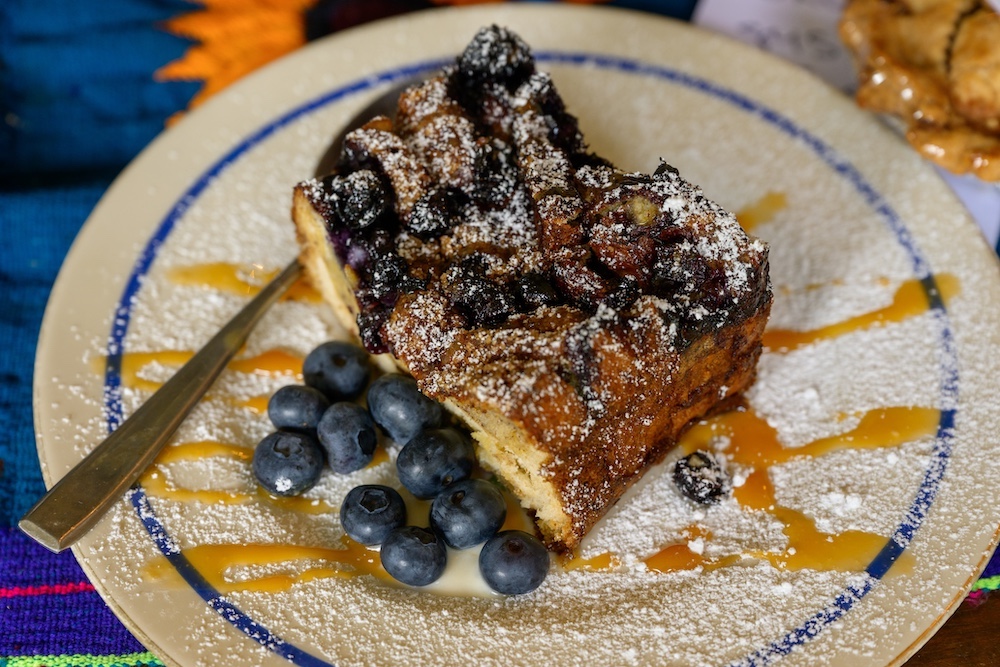
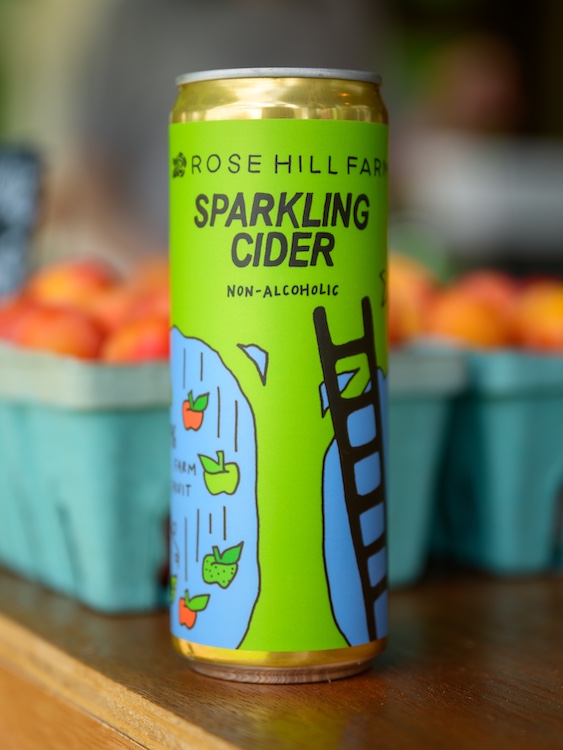
“Buy a pie, save a farm” is another of Ryan’s mantras. Hard times have come before, and the ability to diversify is crucial for survival. During the COVID pandemic, her businesses lost $1.5 million, so she and her colleagues were forced to “pivot hard,” producing and selling lots of value-added products, including farm-baked pies, cider donuts made from scratch, non-alcoholic cider, pickled goods, pizza, pasta, and more. “We weren’t going to make up for all our losses, but every day we were strategizing,” she says. This approach will indeed be helpful once again, she says.
In light of the current crisis, she says, “there’s no magic bullet, but I really want people to come to my farm this fall and spend as much money as they can.”
-
- Photos by Tom Weis
-
- .
HOW TO SUSTAIN A COMMUNITY ECOSYSTEM
Ryan says it is important to view farming as one part of a larger, interdependent social and economic ecosystem.
“The people in the communities that [the farm] touches in various ways, including employees, the people we do business with, and tradespeople, that is a community that has to be supported and nurtured.”
Sustaining that greater community means consumers backing up their words and sentiments with action. Ryan says the frost is “a wake-up call for the public that we can’t take farms in the Hudson Valley for granted. We can’t take the fruit for granted and I think that the only thing that’s positive about a freeze like this is it raises the general level of awareness in the conversation.”
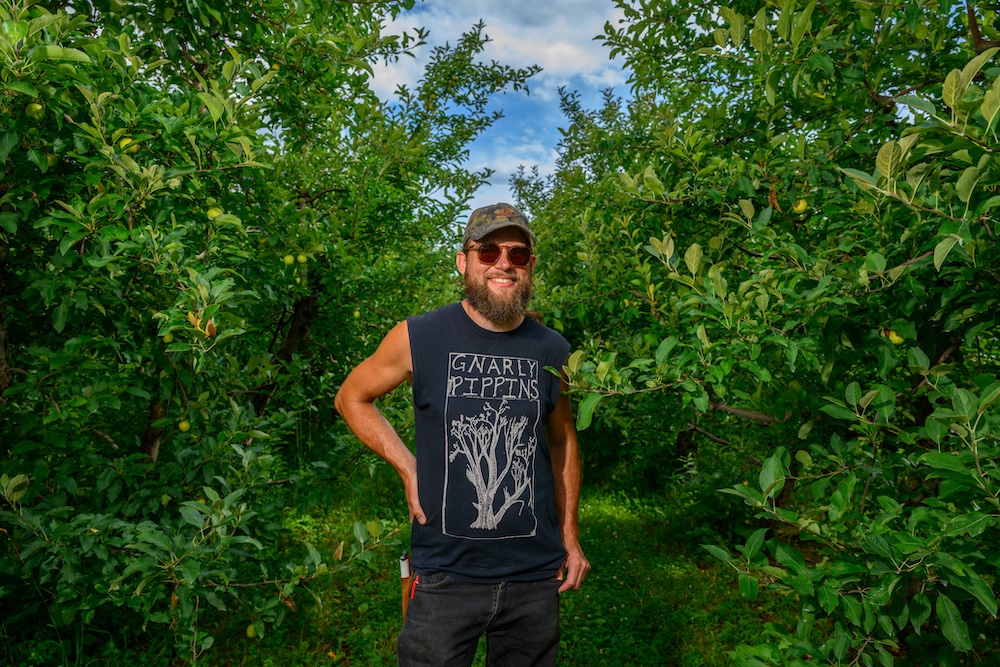
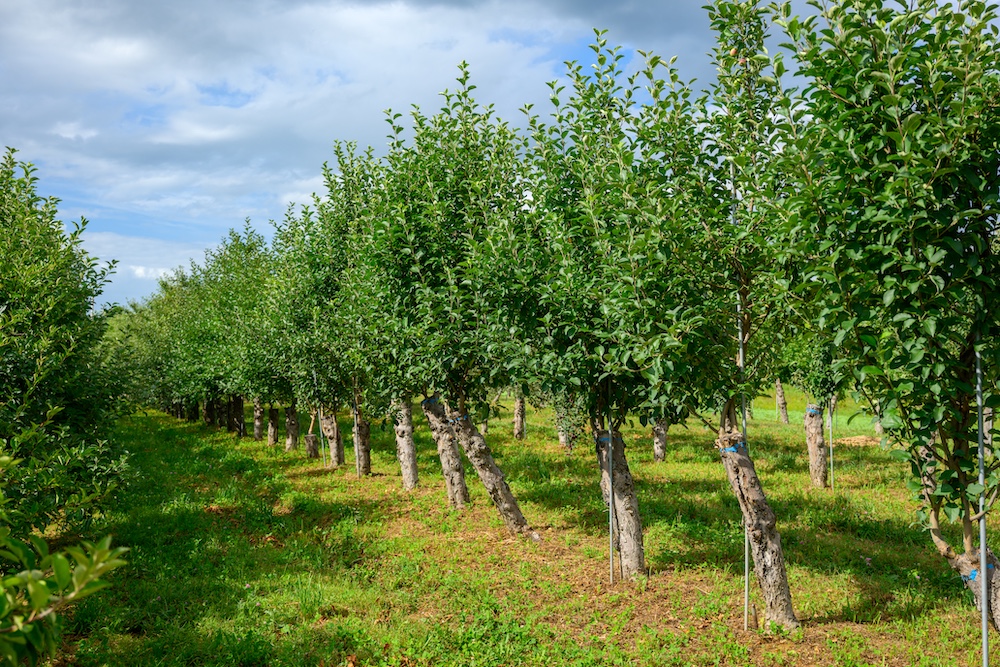
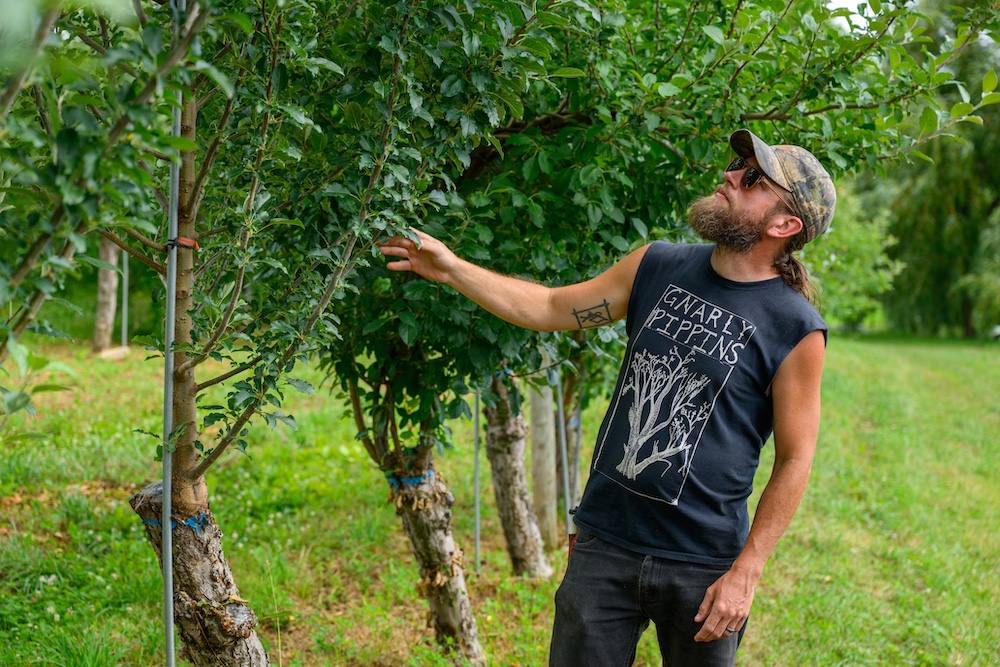
Orchardist Kevin Clark at Rose Hill Farm
-
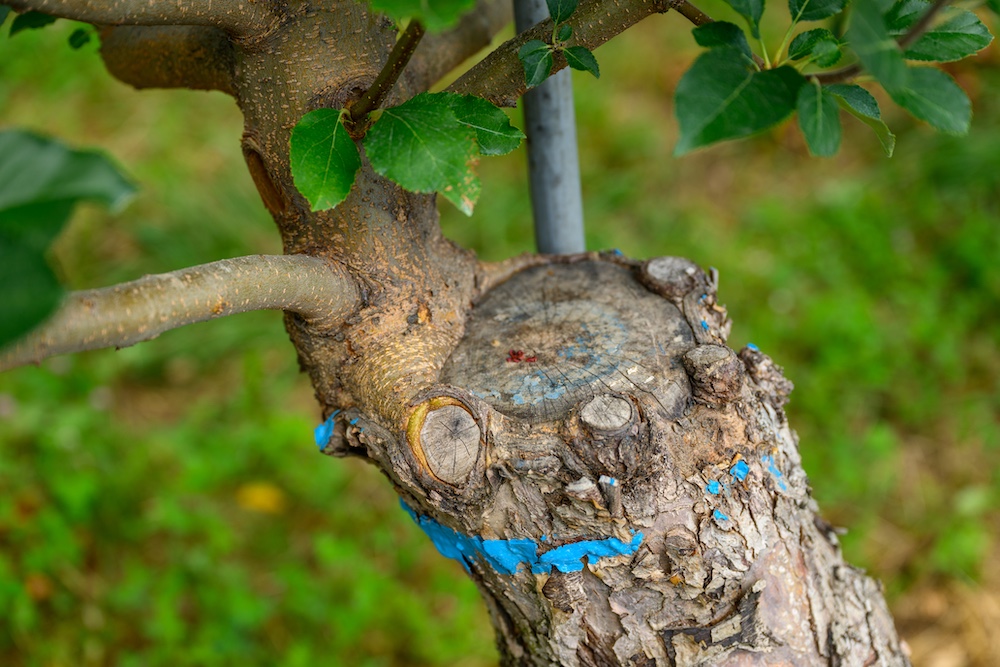
- Grafting two different species of apple trees together.
-
- Newly grafted apple trees in Wonderland Orchard.
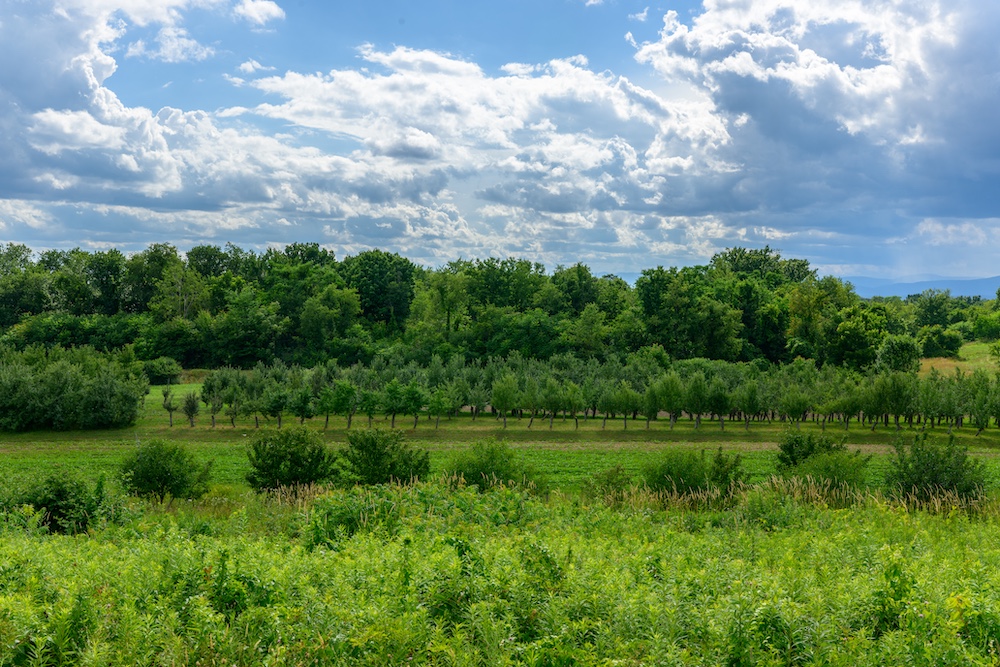
Wonderland Orchard at Rose Hill Farm, Photos by Tom Weis
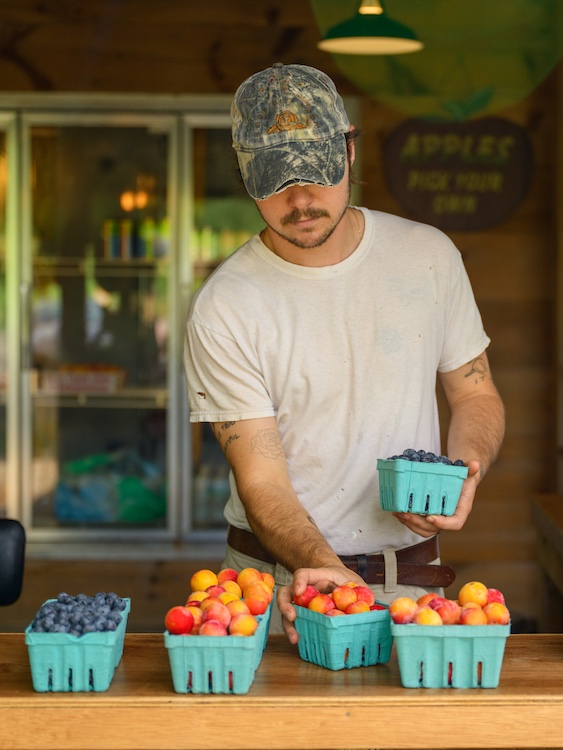
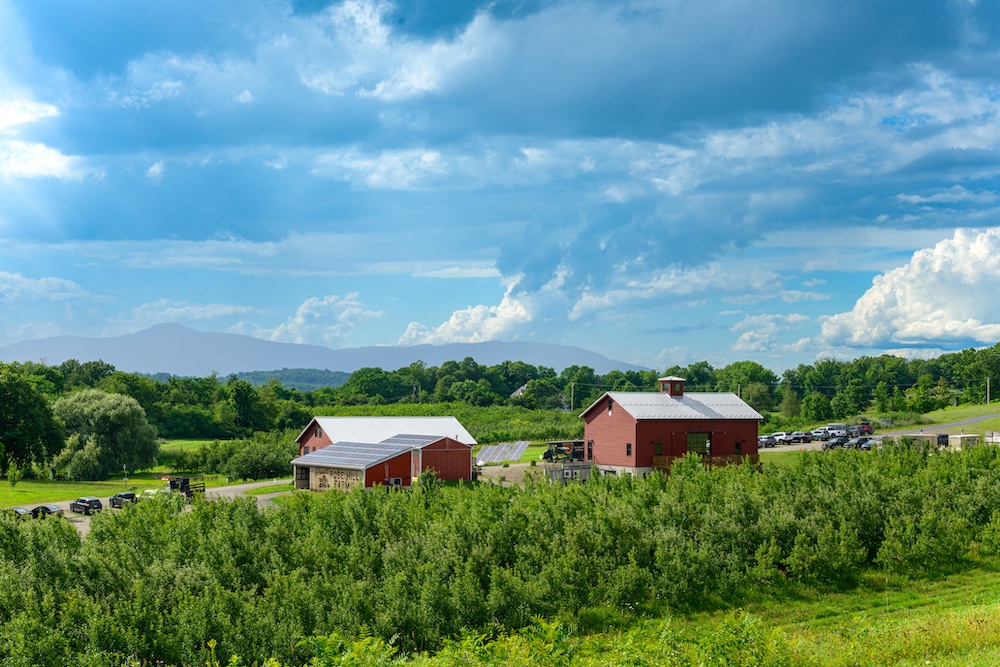
Holly Brittain, one of three proprietors of Rose Hill Farm, a 200-year-old pick-your-own fruit orchard in Red Hook, Dutchess County, says the farm’s sweet and sour cherries are unfortunately not on offer for public picking due to the frost, but blueberries and some apples, plums, and peaches will be available. Brittain said one silver lining of the harsh weather is that Rose Hill is working to add special events to its programming, including a fall festival with a farmers market, in addition to weekly food pop-ups and regular live music. She urges the public to attend.
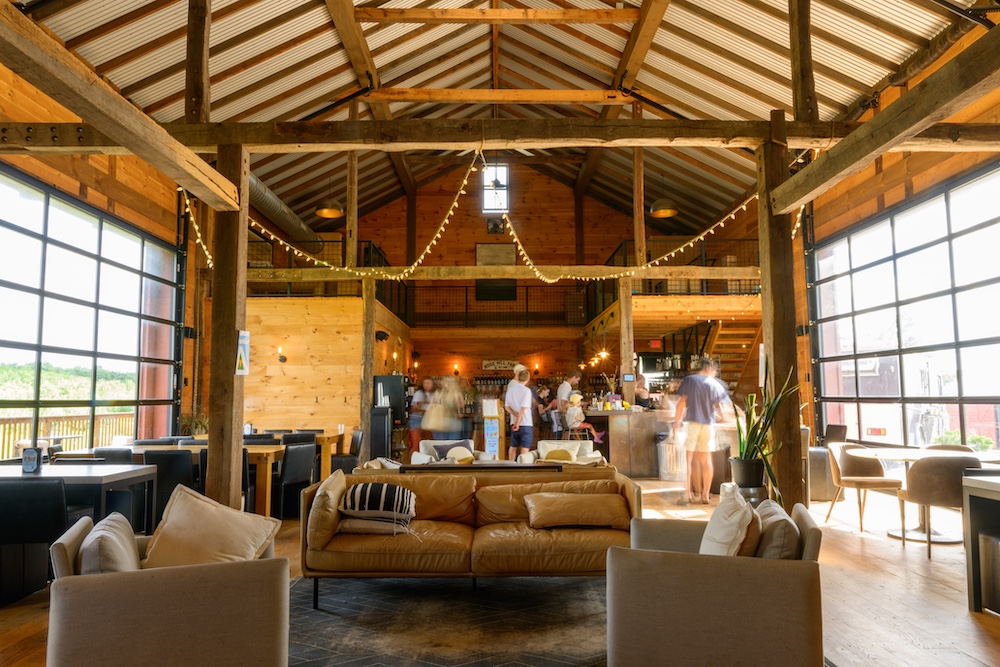
Rose Hill Farm Tasting Room, Photos by Tom Weis
-
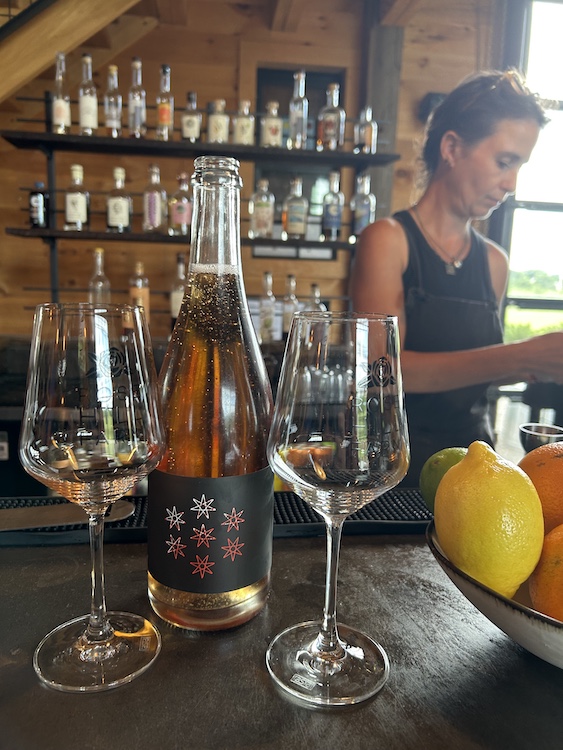
- Photos by Urana Kinlen
-
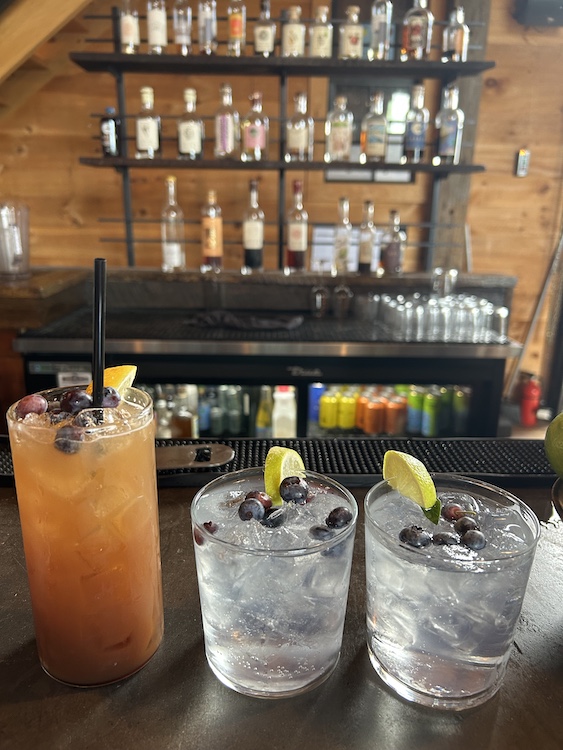
- .
The Shawangunk Wine Trail, a nonprofit organization comprised of 13 independently owned and operated wineries, distilleries, and cideries in the Mid-Hudson Valley region, offers seasonal events like the Summer Sip and September 14 – 30 Harvest The Hudson, where the public can hear great music and taste and purchase products offered by many of the wineries + cideries affected by the freeze.
EXTREME WEATHER: “IT JUST KEEPS HAPPENING”
Heavens, of Quartz Rock, says the April frost is only the latest example of extreme weather events that are making it increasingly more challenging to farm fruit crops in the Hudson Valley. He says it is telling that this is the third year out of seven in which peaches and grapes were severely affected. “It just keeps happening. The trees and the plants weren’t made to handle these extreme temperatures,” he says.
Ryan, of Stone Ridge, says that as weather events become more extreme, the federal government could assist by funding in advance the purchase of specialized equipment, such as wind machines, that farmers will undoubtedly need to have on hand. More grants, loans, and subsidies are needed, as is debt forgiveness, she contends.
Jared Buono, Director of the Cornell Hudson Valley Research Lab, confirms that extreme weather events are becoming more frequent and “it’s an increasing challenge for Hudson Valley growers.” High and low temperatures, flooding, and hail are becoming more common. He also says that pests and diseases are harder to control due to extreme weather events, which can make plants more vulnerable and complicate disease management. “The southern half of the Mid-Hudson Valley was definitely affected” by this latest freeze, he says.
“It’s going to have a big impact on farmers’ livelihoods, so people should get out there and patronize local farms and farmstands.”
On the county level, the Office of Ulster County Supervisor Metzger says it is creating a low-interest agricultural revolving loan fund in partnership with the Hudson Valley Agricultural Development Corporation, which should begin taking applications this summer. New York State Senate Bill S8707A, introduced by Senator Michelle Hinchey in January and currently pending, establishes farm security resiliency grant awards for farm employers who have suffered major financial losses due to severe, eligible weather conditions. The bill aims to create a dedicated safety net for the state’s agricultural sector amid increasingly extreme weather.
“Our agricultural sector is a cornerstone of our community, and we need to stand with our farmers as they navigate a challenging year,” writes Metzger in a recent statement. “One of the most meaningful ways residents can help right now is by buying directly from local farms, farm stands, and farmers’ markets. Purchasing their products, sharing their stories, and helping spread the word can make a real difference in sustaining these family businesses.”
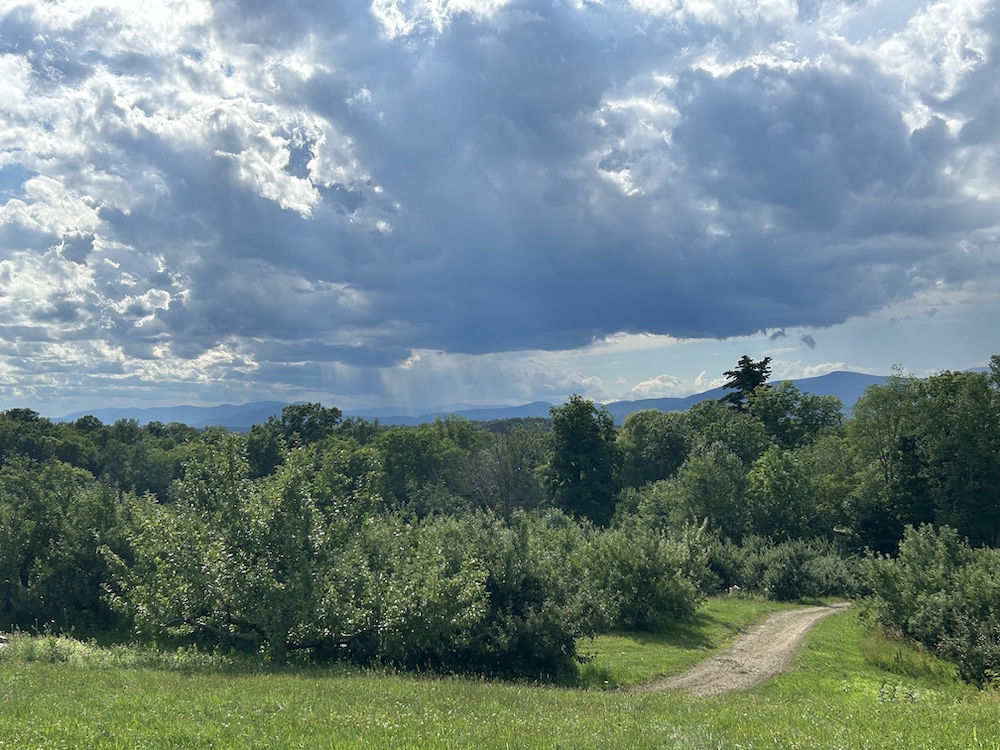
Rose Hill Farm, Photo by Urana Kinlen
CREDITS + GRATITUDE
Urana Kinlen – Editorial Producer + Photographer at INSIDE+OUT Upstate NY
Peter SennYuen – Photographer at SennYuen Farm
Tom Weis – Photographer at SennYuen Farm
Terry Roethlein – Writer
IN COLLABORATION WITH…
Dan Heavens + Jacqui Ferrari Heavens at Quartz Rock Vineyard & Winery + Cider House
Yancey + Michael Migliore at Whitecliff Vineyard & Winery
Elizabeth Ryan at Stone Ridge Orchard
Holly Brittain + Kevin Clark at Rose Hill Farm
Jude DeFalco at Shawangunk Wine Trails
Amberly Campbell at the office of Ulster County Executive Jen Metzger
Jared Buono at Cornell Hudson Valley Research Lab – AgriTech
Deborah DeWan – The Hudson Valley Agricultural Sage of Knowledge
And the biggest collaborator is YOU—by supporting the farms directly: CSAs when available, shop Farmers Markets, go berry and apple picking, pick up local cider donuts and visit on-premise farm markets. Thank you!
FEATURED Photo from Dressel Farm in New Paltz NY.
Related Posts


Write a Comment
You must be logged in to post a comment.