


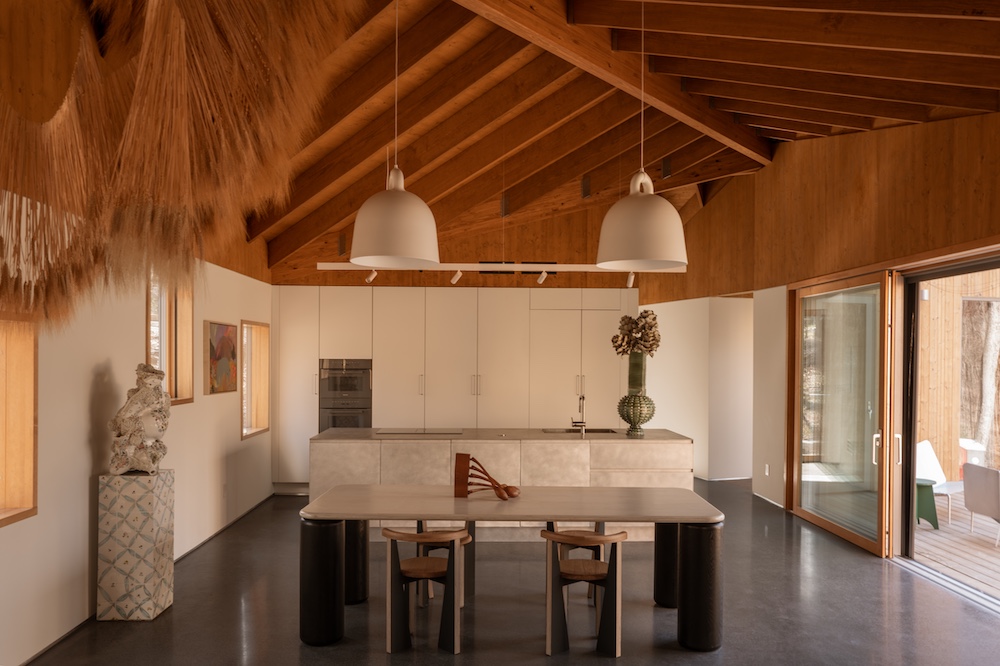
Sense of Place: Artful Living at Ohayo Mountain House
There’s a particular kind of magic happening in the Hudson Valley right now—where modern architecture, collectible design, and the natural landscape are no longer simply coexisting, but speaking fluently to one another. Sense of Place, presented by Kristin Coleman and Chad Phillips, the creators of Available Items and Amin Tadj Studio at the stunning Ohayo Mountain House, feels less like a real estate presentation and more like stepping inside an exquisitely edited idea of how we want to live now.
The newly listed Glenford home becomes both gallery and sanctuary, filled with works by artists and designers deeply shaped by the region itself. The result is immersive, warm, and quietly transportive—a reminder that the best homes don’t just hold objects, they hold atmosphere, community, and feeling. Proof that when art and real estate come together thoughtfully, the entire experience becomes something far more emotional, personal, and unforgettable.
Sense of Place
Presented by: Available Items x Amin Tadj Studio
April 11 – June 29 | Glenford, NY
Hosted at Ohayo Mountain House, a thoughtfully designed and newly listed modern home in the Catskill Mountains. Sense of Place features a unique edit of exciting works by contemporary designers and artists whose practices have been shaped by the region.
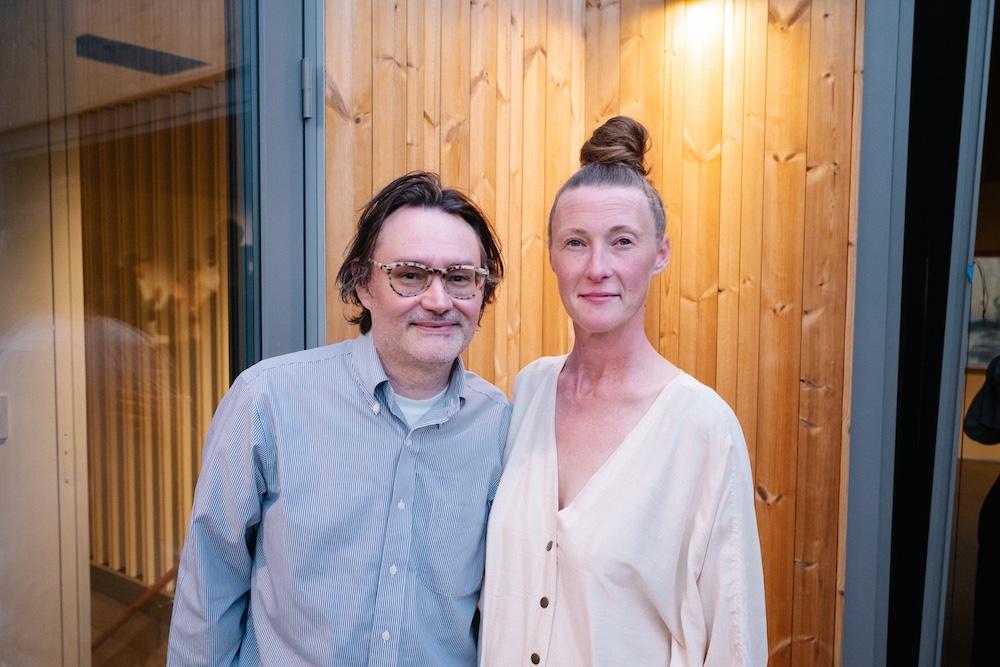
INSIDE+OUT: Let’s start with you both—what first drew you to the Hudson Valley, and how has living and working here shaped your perspective on design and daily life?
Kristin Coleman: Living in The City, we’ve been coming to the Hudson Valley for years, from day trips to Dia Beacon and Sleepy Hollow to visiting friends with homes in Chatham, Tivoli, and Shandaken. In fact, our first getaway as a couple was a weekend in Cold Spring to visit Magazzino shortly after it opened. It was always the combination of nature and culture that drew us here.
Chad has always been obsessed with looking at real estate listings. And, a few years into our relationship, I pushed him to start looking at houses in person, as a potential weekend retreat, but at a very affordable price. In the beginning, it was purely exploratory, and we weren’t really sure what we wanted or where. After seeing a few houses in the Poconos and the Hudson Valley, we realized the latter was more our speed.
At the end of 2019, we bought a house in Germantown and spent that fall and winter doing light renovation projects ourselves. Then, when the pandemic hit, we came upstate and never left. We both had full-time jobs and were able to work remotely. And we fell in love with the area and the life we were starting to build here. We were tossing around different business ideas and opened Available Items in the summer of 2022.
We’ve always been connected to the contemporary design world (Kristin handling PR & marketing for European brands, architects, and design events; and Chad in a merchandising and product development role at places like the Cooper Hewitt, Kid Robot, and Moss). However, moving to this area has cemented our love of folk art and primitives and motivated us to find a way to meld these two seemingly disparate worlds.
Available Items has always felt rooted in how people actually live with objects. Tell us a bit about the day-to-day at Available Items. How did that philosophy evolve into something as immersive as Sense of Place?
Chad Phillips: We’ve always been guided by feel and intuition and creating a warm and homey environment where people want to spend time, gather, and talk about art and design and the built environment. We’ve never had a dedicated check-out counter nor subscribed to a singular aesthetic. It’s always been about the curation and the mix of playful and well-crafted art and design objects from different time periods and styles. In a way, Sense of Place feels like a natural extension of that—a place for people to connect and to engage with design, on a larger scale.
“We’ve always been guided by feel and intuition and creating a warm and homey environment where people want to spend time, gather, and talk about art and design and the built environment.”
What was the original spark for this project? Did the house come first, or the idea of creating a living exhibition within it?
Kristin Coleman: This project was kind of kismet. Over the past year, we have been thinking about renting out pieces for staging or what it would be like to stage a modern home ourselves.
At the same time, we met Amin and began carrying his line of aluminum furniture. We knew he was working on this house and when he casually mentioned that it would be fun to do an exhibition of Hudson Valley makers in the space, our ears perked up and, in that moment, decided we should do it. So, the house and the Hudson Valley were always the starting point and intended site for this exhibition.
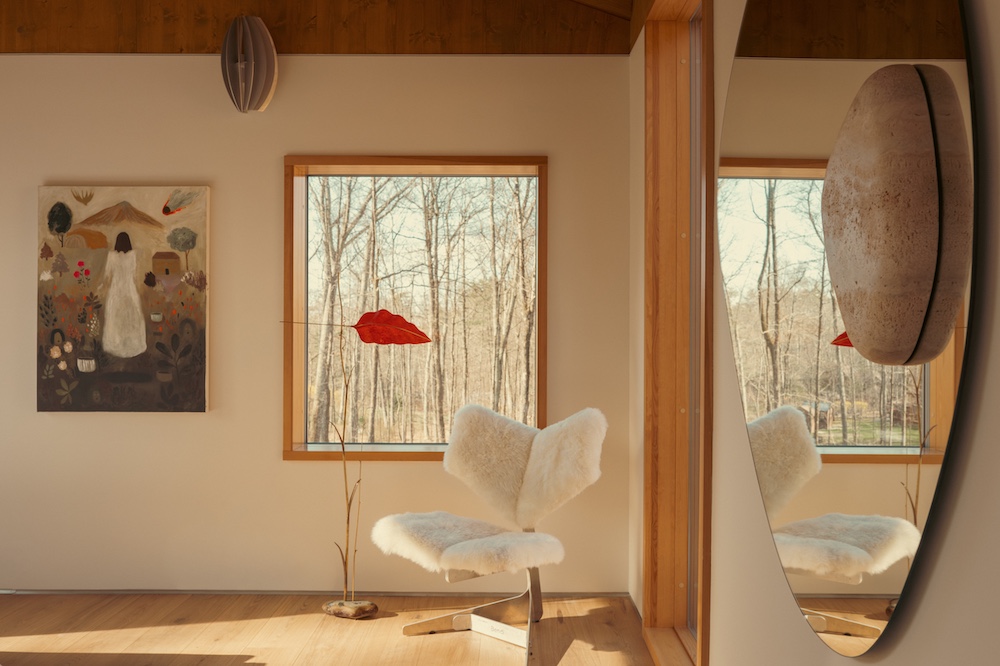
This doesn’t feel like staging—it feels like storytelling. Was that a conscious shift from the beginning, or something that revealed itself as you began placing the work?
Chad Phillips: From the beginning, we wanted this to feel like something between an exhibition and home staging. We didn’t want to overstyle the space but curate smaller vignettes of objects in conversation with each other as well as the architecture.
You’ve brought together an incredible group of artists and designers. How did you decide who to include, and what kind of dialogue were you hoping to create between them?
Kristin Coleman: First, we created a long list of designers and artists whose work we admired and whose practices were connected to the Hudson Valley. We wanted to keep the scope of the project manageable and decided the best approach would be to feature multiple works by 15-20 studios. We also wanted to incorporate a range of mediums and artistic approaches – woodworking, sculpture, fiber arts, painting, etc – and identified a smaller selection from there, starting with people we had good relationships with (either carrying their work in our store or showing their work through past exhibitions). We wanted objects with soul; works that are well-made and rooted in traditional craft but radical in some way.
“We wanted objects with soul; works that are well-made and rooted in traditional craft but radical in some way.”
The work feels integrated rather than placed. What was your process for creating that sense of ease—where everything feels like it belongs?
Kristin Coleman: Thank you for that observation. It was a long and slow process, essentially building small collections with a cohesive visual identity and feel within each room. It took about two months to refine the final works in the exhibition.
We also wanted to create an immersive experience that engaged people from the moment they arrive, creating moments of surprise and drawing them to various corners of the house and property.
There’s a strong sense of community here. What did collaboration look like in practice—with the artists, with Amin, and between the two of you?
Kristin Coleman: That sense of community is one of the things we love about the Hudson Valley. People make time for each other and crave connection and collaboration.
We have very good relationships with most of the studios in this exhibition. Some are really good friends, that we’ve known for years, like Office of Tangible Space, LikeMindedObjects, and Katie Stout. Others we’ve met more recently, through friends or exhibitions we’ve hosted at Available Items. Everyone was excited by the project and willing to participate. The hardest part was nailing down the final selection of works from each studio.
Collaborating with Amin felt like a seamless experience. This entire project took nearly four months to develop, and we worked very closely with Amin and team throughout the entire process – on weekly calls and in-person site visits to see the progression of the house. Architects can be notoriously rigid, but he gave us a lot of curatorial freedom and seemed to like everything we selected for the exhibition – even the more extreme pieces.
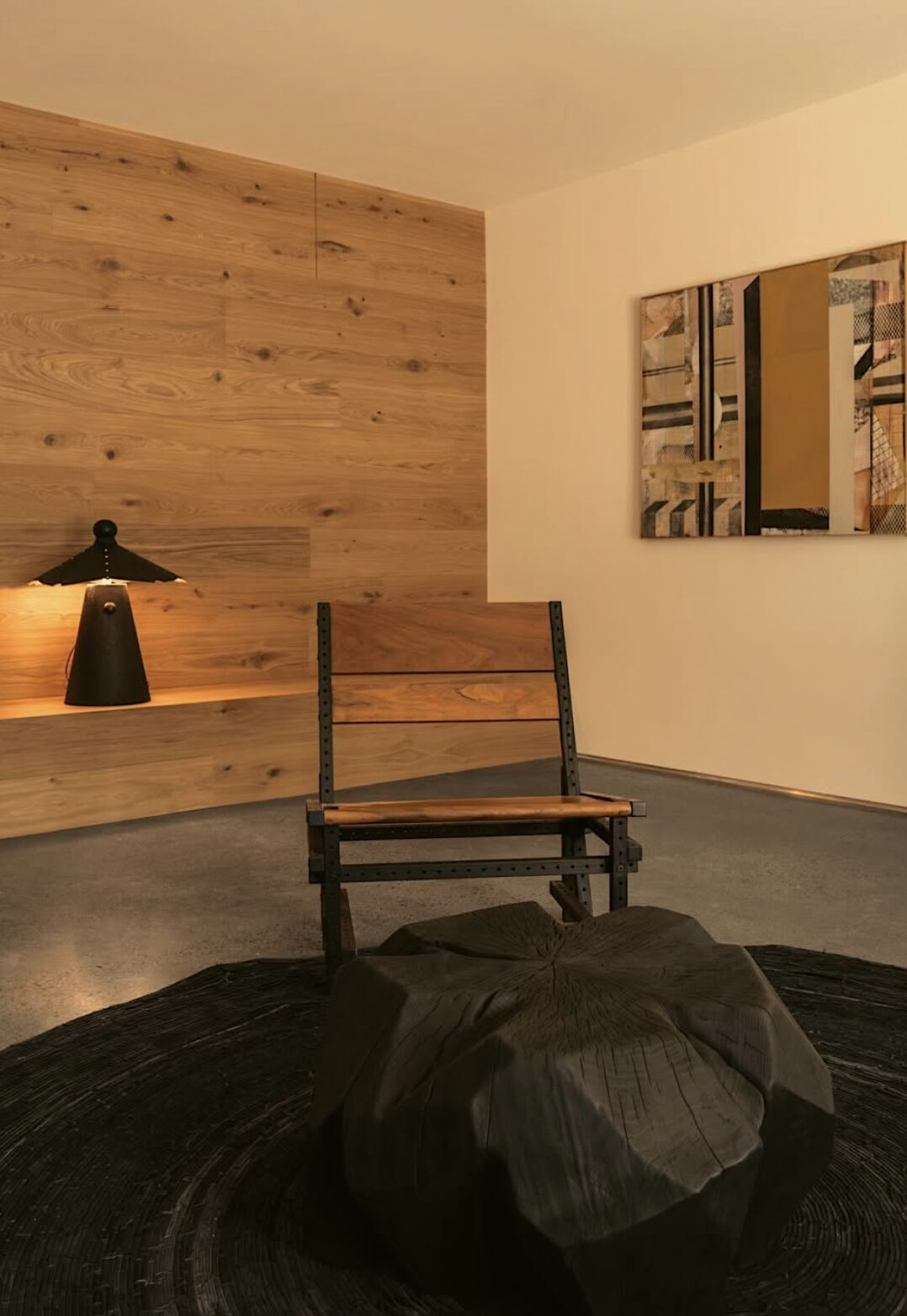
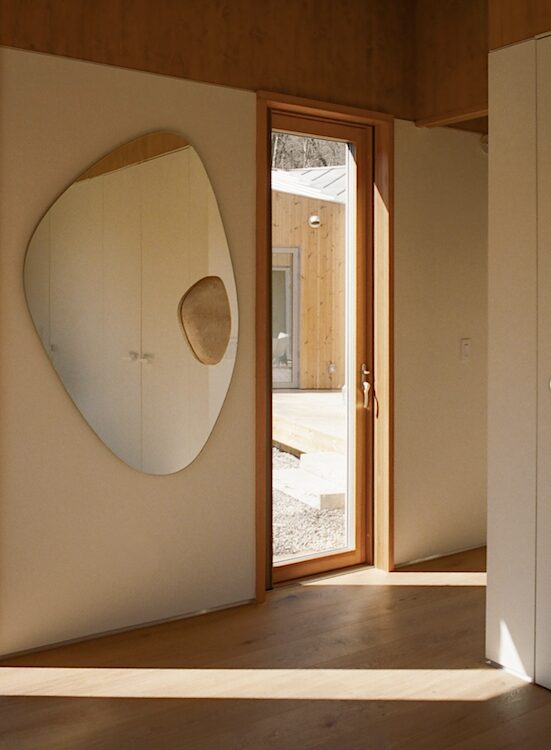
Experiencing design in a home changes how it’s understood. What do you hope visitors feel—or take away, from encountering these works in a lived environment?
Chad Phillips: That is certainly true. Our hope is that placing these works in a domestic setting puts them into meaningful context for visitors and potential buyers, demonstrating how these works can inhabit a space and how beautiful, well-crafted objects can enrich daily life.
There’s a question running quietly through the project: is this staging, an exhibition, or something in between? How do you think about that?
Chad Phillips: That’s a great question. It’s definitely something in between. We wanted the pieces to really shine on their own but also work well with the space and with each other. You would do this with an art exhibit too—considering neighboring objects and the space and flow—but in this case, the gallery is a house, and the art is furniture, so it blurs the lines more. We think it leans more towards an exhibit than staging. We didn’t include small items that would make it feel fully lived-in, like books or rugs, because we didn’t want to distract from the artworks; instead, we wanted to hint at how contemporary art and design can be lived with.
“In this case, the gallery is a house, and the art is furniture, so it blurs the lines more. We think it leans more towards an exhibit than staging.”
The Hudson Valley has long been a place where art, land, and life intersect. What feels particular about this moment here right now?
Kristin Coleman: The Hudson Valley has been a muse for artists, designers, and makers for generations, and a lot of that does have to do with the land. Not only the inherent beauty of the landscape (which has spurred entire art movements and certainly inspired a few of the artists in this exhibition), but also the amount of physical and mental space it gives people to create.
The current contemporary design scene in the Hudson Valley is flourishing right now in part because few can afford NYC anymore and in part because of the pandemic. Many studios have landed here for more space while still having access to The City.
And finally, what does “sense of place” mean to you personally? Has that definition shifted through this project?
Kristin Coleman: The term “sense of place” speaks to the emotional ties to a specific place, which felt right for this project. That feeling of how special the Hudson Valley is—the landscape as well as the people—is one of the reasons we selected it for the title. That idea hasn’t changed at all, but seeing it in practice has maybe strengthened it a bit.
Amin of Amin Tadj Studio
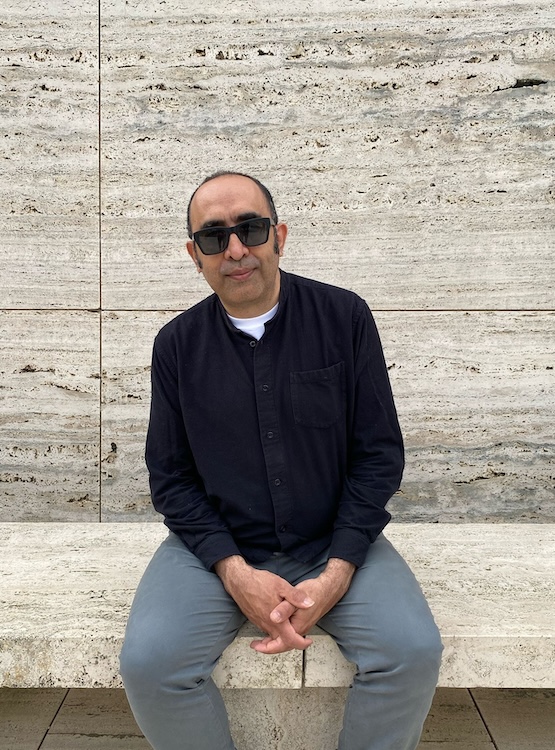
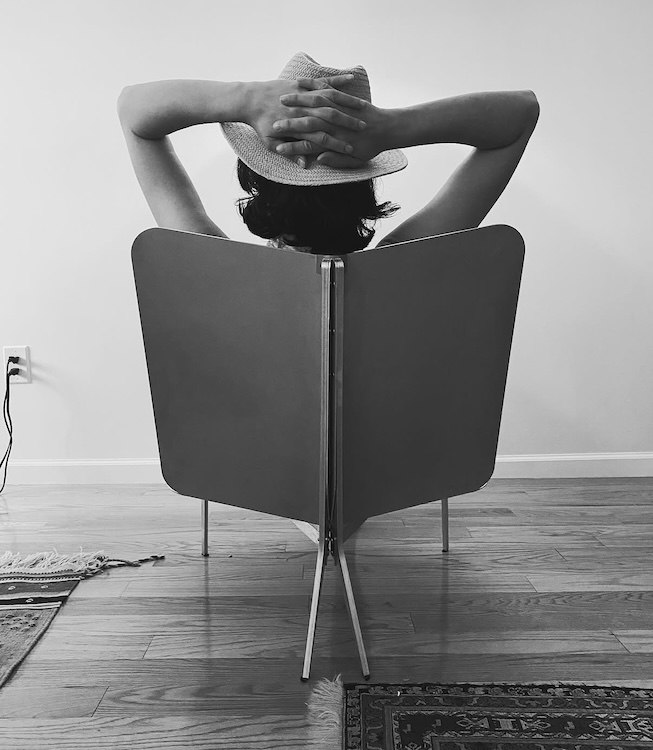
What drew you to this site, and how did the landscape influence the design of the house from the very beginning?
Amin Tadj: It all started with a turning point in my professional life, where I had to find and adopt a different way of practicing architecture. Instead of working at architectural firms, I decided to start a design and development practice where I invest heavily in design quality and build something unique and personal. The concept of spec houses designed for future speculative buyers has always fascinated me.
How do you speculate on something as personal as someone’s lifestyle? What are the motivations for any design decisions?
Amin Tadj: As I had clients throughout my professional life who answered these questions, I became my own client, and the house became a space for the lifestyle that I would have loved for myself. The location stems from my fascination with the beauty and richness of the Catskill Mountains landscape and the vibrant communities living here. This site, with its diverse landscape and proximity to the vibrant towns of Woodstock and Kingston, seemed like the best fit for testing this speculative lifestyle I wanted to understand and reimagine.
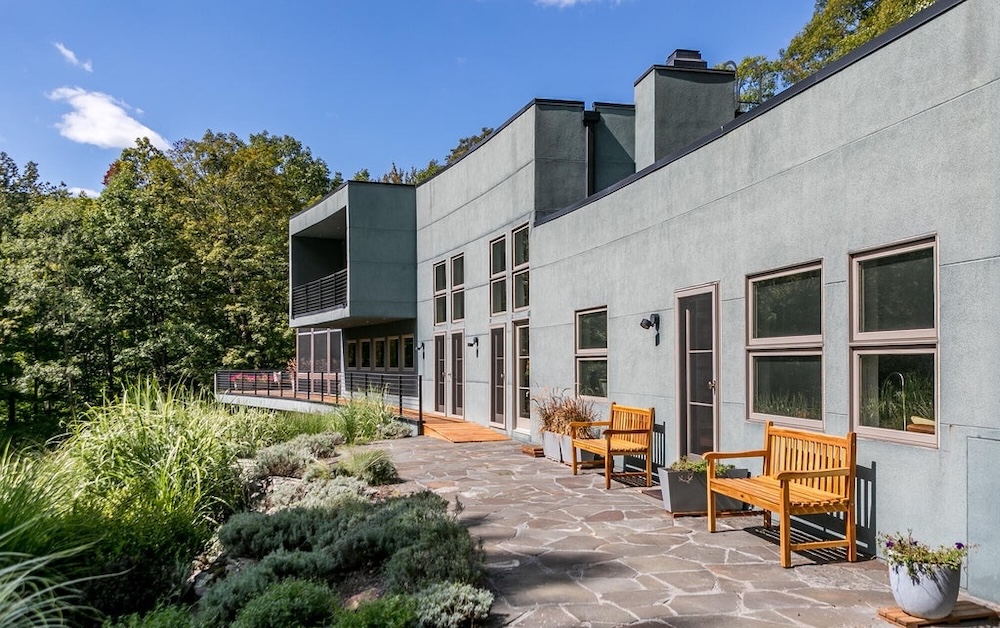
The home, Ohayo Mountain House, feels deeply connected to nature—light, movement, and material all play a role. What was your guiding philosophy in designing it?
Amin Tadj: Thanks for the observation. I’m happy to see this aspect of the design come through. The project started with two main questions: How can nature be a defining agent in the organization of life in this domestic space? And how can the design of this house emerge directly from its context?
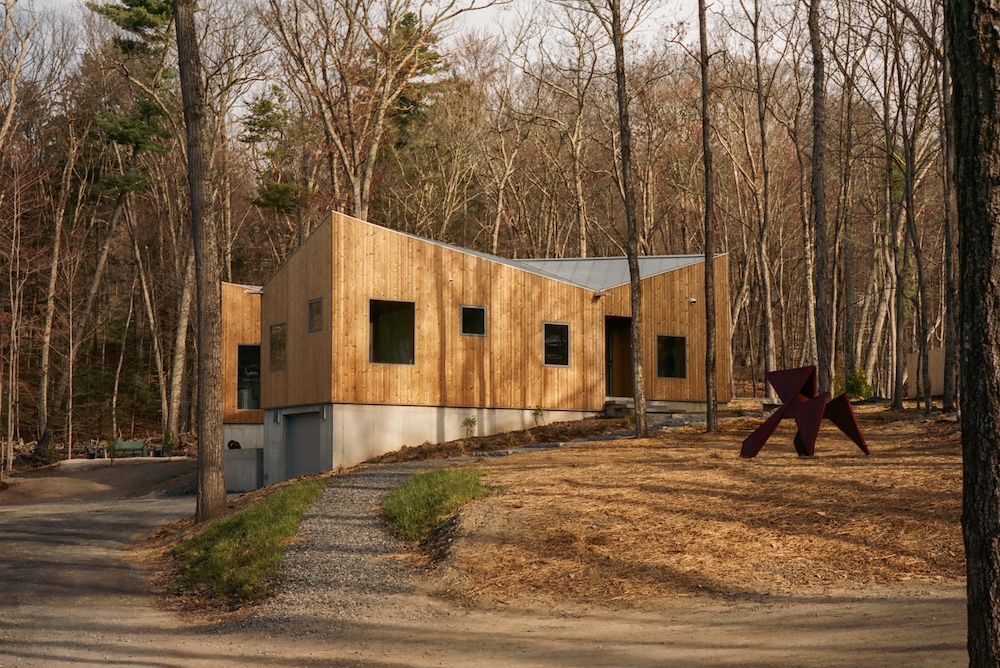
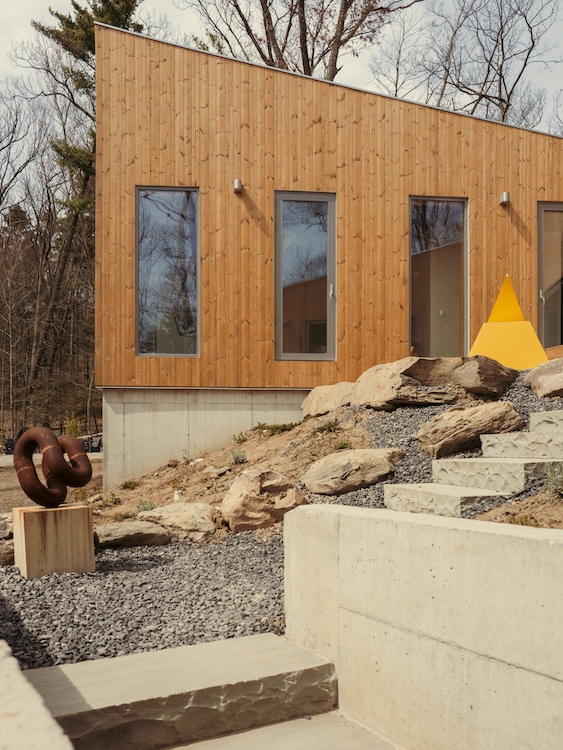
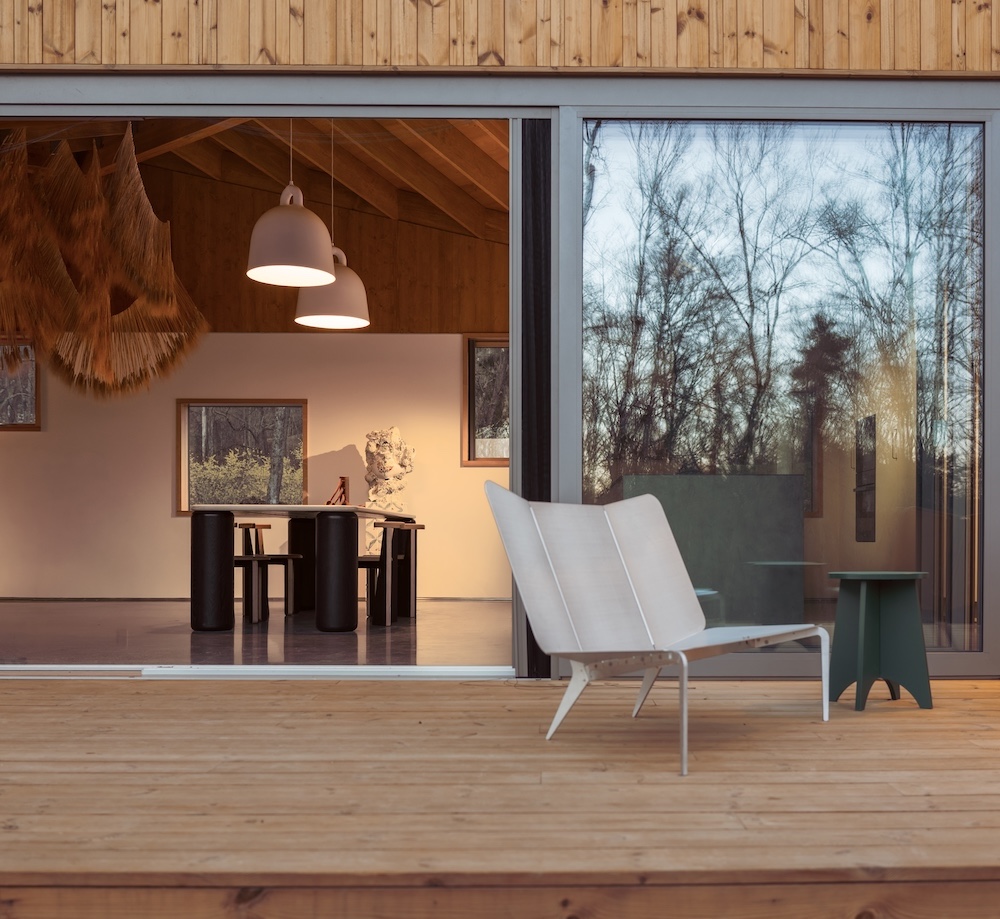
In essence, this building is a barn wrapping around a courtyard. All rooms open directly into a rock garden in the middle courtyard, and the wood deck is the main congregation space in the house. The sequence of space in this house is not linear, and you can directly go in or out of all of the rooms from outdoors. The in/out and personal/communal borders are blurred. With its relatively small footprint, each room feels like a small sanctuary within a natural setting.
“The location stems from my fascination with the beauty and richness of the Catskill Mountains landscape and the vibrant communities living here. This site, with its diverse landscape and proximity to the vibrant towns of Woodstock and Kingston, seemed like the best fit for testing this speculative lifestyle I wanted to understand and reimagine.”
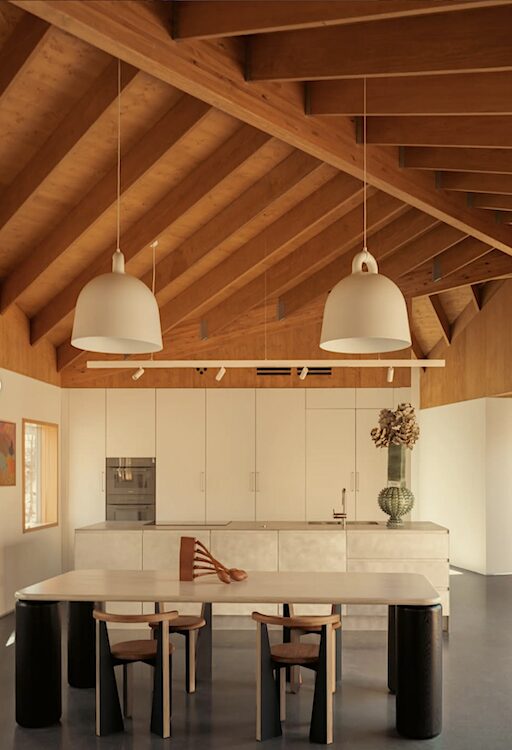
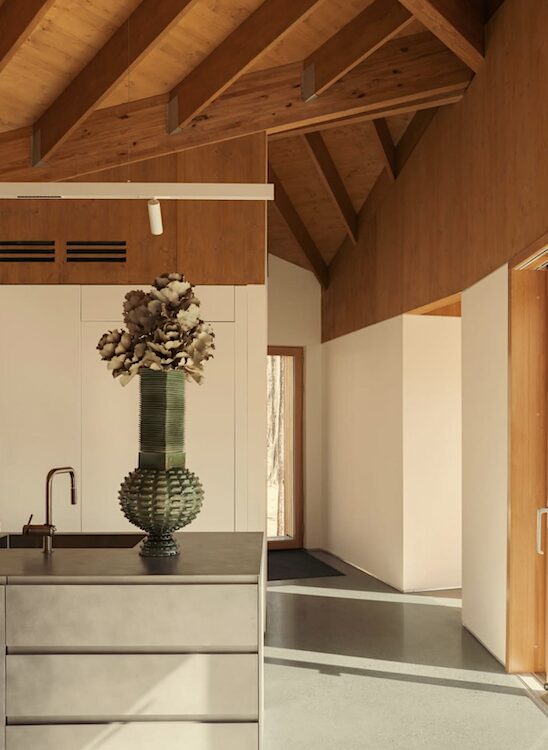
On the other hand, the project draws on the rich tradition of vernacular architecture in the Hudson Valley, in dialogue with the rocky landscape of Upstate New York formed by the last glacial period. The ceiling/roof, as the house’s main feature, is where these two contextual aspects meet. The undulating roof, seen from outside, appears to emerge from this glacial landscape, and the ceiling is a strong feature that unifies the space. Structurally, it is an alteration to the ridge/rafter scheme in barns. The length of the barn structure with the ridge beam spans between two end walls is limited by the maximum logical size of the beam. By spanning the ridge beams between the side walls, we create a unifying system that can extend indefinitely while acknowledging the house’s smaller sectional organization.
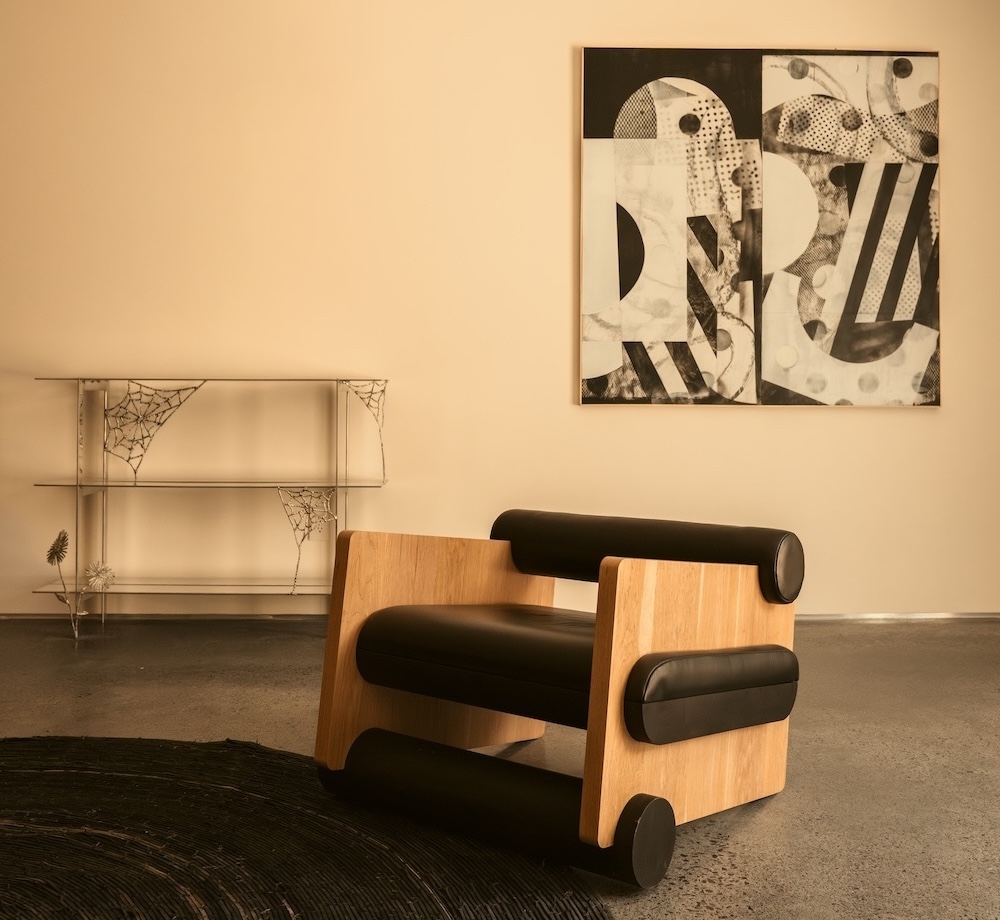
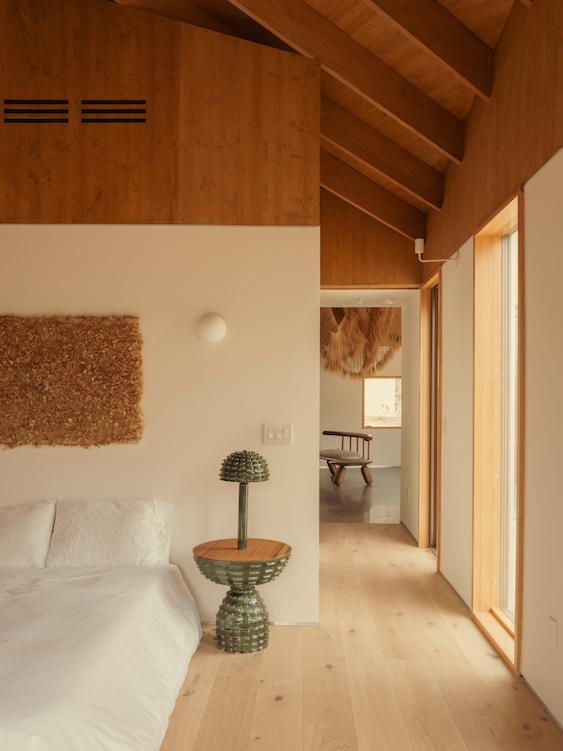
This is a home for sale, but it’s also functioning as a gallery. At what point did the idea of integrating an exhibition into the house enter the conversation?
Amin Tadj: The idea of “Sense of Place” gradually developed as we approached the end of construction, and in the conversations we had with Kristin and Chad. Hudson Valley has long been a hub of art and design. In testing and depicting a speculative lifestyle rooted in the Hudson Valley, we filled and staged the space with art and design pieces crafted by this amazing local community, which fulfilled the vision. On the other hand, the immersive experience of these objects within a designed domestic space, rather than a galley setting, makes them much more tangible and accessible to the buyer. This mutual benefit was a no-brainer for this period in the life of this space, which was otherwise vacant.
“The Hudson Valley has always been a strong hub of art and design, and in testing and depicting a speculative lifestyle rooted in the Hudson Valley, filling and staging the space with art and design pieces crafted by this amazing local community was the ultimate fulfillment of the vision.”
How did working with Kristin and Chad shape the way you thought about the house—not just as architecture, but as an experience?
Kristin and Chad both have amazing eyes for art and space, and technically, they were the first users of this house. For sure, it was a great pleasure as well as a state of anxiety to revisit the house through their lens. They were the people who brought the depth of their knowledge of the local design community to this house and helped transform the space from an architectural product into a curated domestic space that belongs to this region. There are moments in this exhibition where they discovered possible settings for objects in relationship to space that I did not plan for in my drawings. These moments of surprise and special qualities reshaped my understanding of what was there.
The layout—indoor/outdoor flow, the central courtyard and the openness, creates a kind of natural choreography. Did you anticipate how art and objects might move through the space?
Amin Tadj: There is a fundamental difference between staging a house with furniture and setting up an exhibition with art and design pieces. In the staging of a house, boldening the functionality of the space as it was designed for is the dominant driver of the decisions. This process is mostly planned and anticipated through architectural design. In the context of an exhibition, the quality of the objects and their contribution to the curatorial agenda are the main drivers, with architecture usually serving as the backdrop. “Sense of Place” is in the middle. It aims to create a close dialogue between art and architecture without either being secondary to the other. So essentially it has both anticipated and surprise moments.
“There is a fundamental difference between staging a house with furniture and setting up an exhibition with art and design pieces.”
There’s a sustainability component to the build as well. How did that inform both the design and the long-term vision for the house?
For me, design always starts with revisiting our commitments and strategies toward sustainability. There are itemized, prescriptive checklists defined by institutions for sustainability targets, making planning easier. This house, in areas such as energy performance, eco-friendly materials, carbon emissions, and water consumption, performs much better than the code requirements. Other studies and standards link human health and well-being to the building’s design qualities. This house also performs well in this context through design goals such as improving indoor air quality and optimizing natural light throughout the space. Also, there is a community aspect of sustainable design. As this exhibition aims to demonstrate, we think a building, regardless of its programmatic requirements, can contribute creatively to the community in which it is located.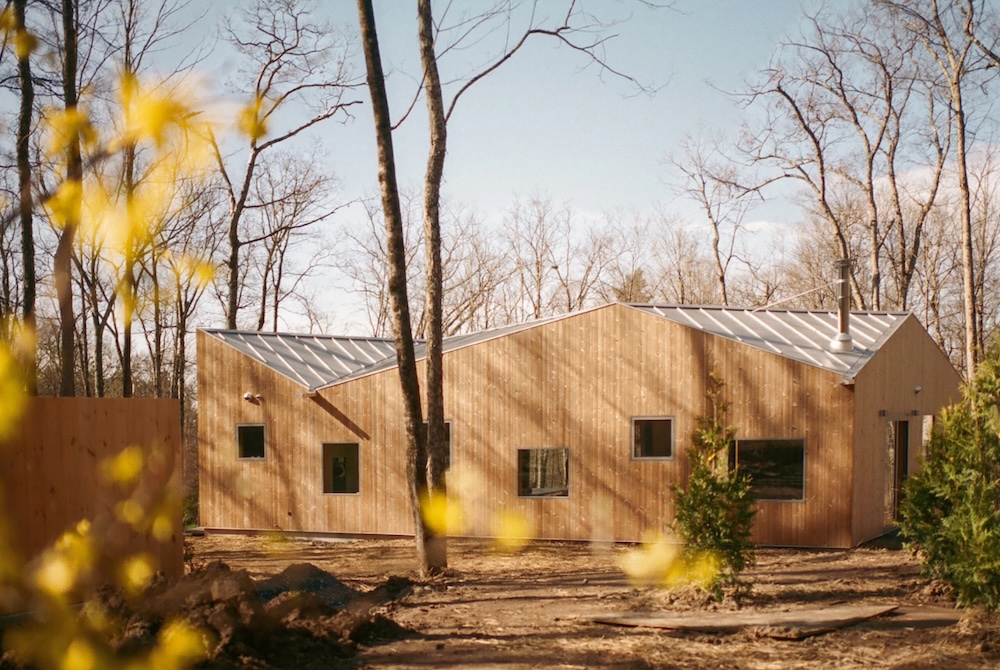
From a development perspective, this is a more experiential way of presenting a property. Do you see this as a one-off or part of a broader shift in how homes are introduced to the market?
Amin Tadj: The gallery staging has happened previously in different capacities, but I think the one-off character of the “Sense of Place” exhibition is in the presence of the context and locality in this setting. The staging in this house is elevated into an immersive experience of the place at large, and indeed, it is in line with what the architectural design for this specific house hoped to achieve. Rather than trying to be part of broader global shifts or trends, we, as a design and development team, focus on local values and learn from them.
“The staging in this house is elevated into an immersive experience of the place at large, and indeed it is in line with what the architectural design for this specific house hoped to achieve.”
What did you learn from seeing the house activated in this way—with artists, designers, and the public moving through it?
Amin Tadj: Thanks to all of these amazing artists and Available Items, the first life in this space was a public use. It was so fascinating to see that architecture is at its best when it is communal, and how blurry the programmatic design intentions become when they face actual social requirements. We had around 100 people at the opening night of this house, which is a relatively large crowd for its size. The organization of the house is very fluid, and we were happy to see that this fluidity surprisingly worked well to extend the gathering to all corners of the house and activate its full capacity.
And now that you’ve seen it fully realized, does the house feel different to you than it did on paper?
Amin Tadj: Yes, I feel that, despite the power of all modeling and rendering software and regardless of how many buildings I have finished, there are always rooms and proportions that surprise me; some work better or worse than what was in the design. But in general, I think most of the design ambitions are there.
Photos by Valeria Flores
A place to commune with nature.
A place to engage with contemporary design.
A place to connect in real life.
SENSE OF PLACE
Presented by Available Items x Amin Tadj Studio
760 Ohayo Mountain Road, Glenford, NY
APRIL 11 – JUNE 29
Saturdays 11 am to 5 pm
& by appointment
Home Listed by Anatole House | See Listing here
Follow/Connect with Available Items via Website | Facebook | Instagram
Follow/Connect with Amin Tadj Studios via Website | Facebook | Instagram
Explore our INSIDE+OUT curated Event Calendar for the best of the Hudson Valley’s events. Sign up for our Weekly Newsletter to keep your finger on the pulse of What to Do, Where to Go, and Who to Know.
Have a special event you’d like to add? Click here.
Related Posts
Write a Comment
You must be logged in to post a comment.