


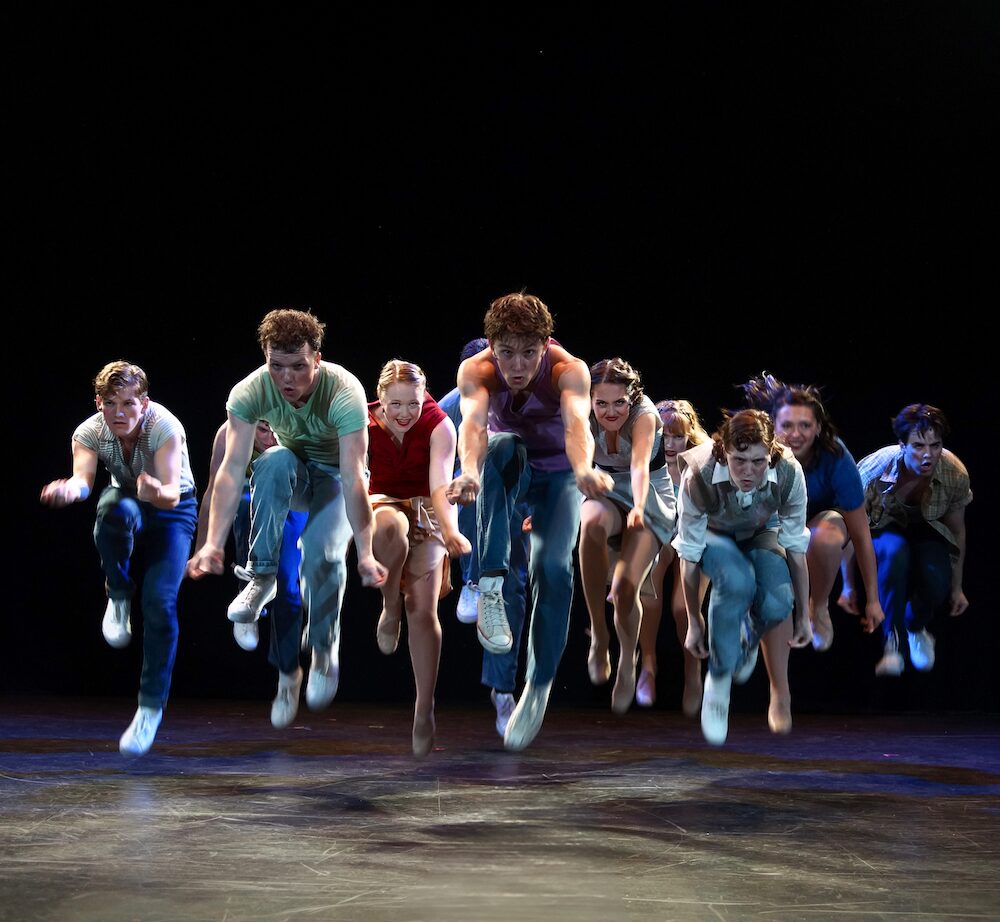
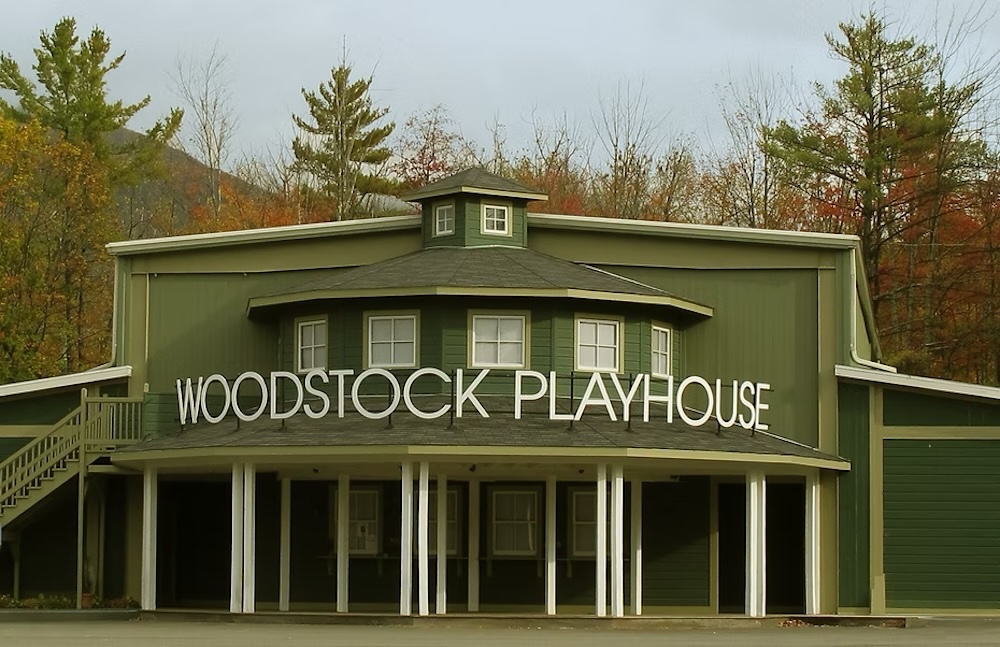
The Curtain Keeps Rising: The Woodstock Playhouse at 88
For nearly nine decades, the Woodstock Playhouse has stood at the entrance to town, welcoming generations of artists and audiences through its doors. Long before Woodstock became synonymous with music festivals, counterculture, and creative escape, it was a theater town—and the Playhouse was at the center of it all.
Its story is one of passion and resilience. Fires, financial crises, changing tastes, and shifting eras have all threatened its future. Yet time and again, people have stepped forward to save it, rebuild it, and reimagine it. There is something about the Woodstock Playhouse that inspires devotion.
Perhaps it’s the romance of summer stock. Perhaps it’s the ghosts of performances past. Or perhaps it’s the simple belief that every great arts town deserves a stage.
Over the years, the Woodstock Playhouse has helped launch careers, welcomed Broadway talent to the Catskills, and given countless young performers their first taste of life in the theater. Today, as it celebrates its 88th season, it remains both a cherished piece of Woodstock history and a living, breathing part of the town’s cultural life.
We sat down with Company Manager Douglas Farrell to talk about the Playhouse’s remarkable past, the mysteries and legends that linger within its walls, and why this beloved institution continues to inspire such passion nearly a century after its founding.
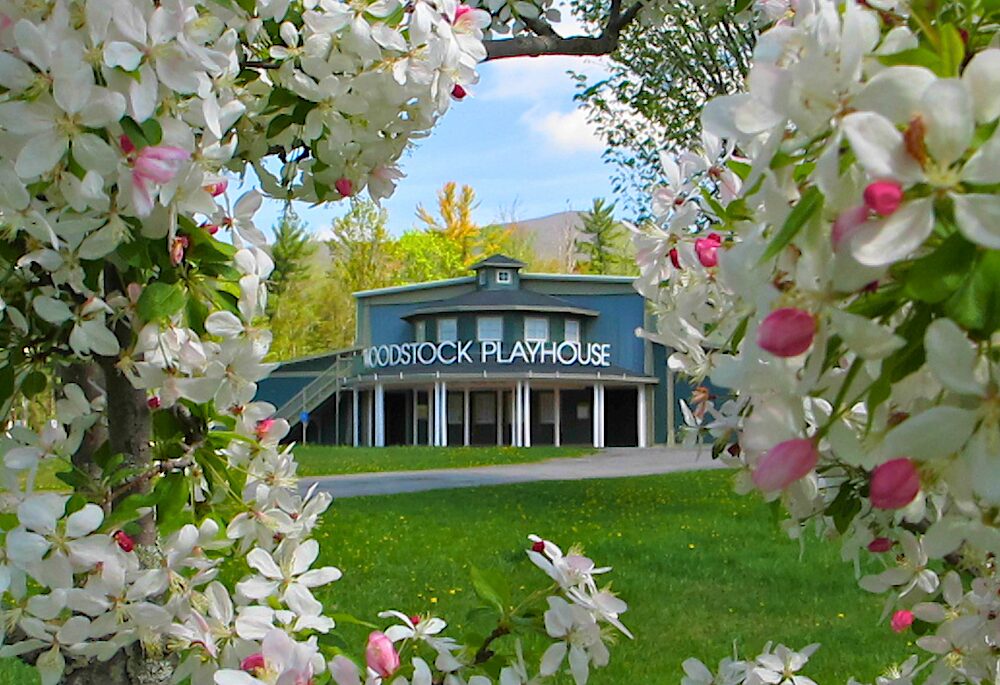 INSIDE+OUT: The Woodstock Playhouse has survived fires, financial crises, changing audiences, and nearly a century of cultural shifts. Why do people keep fighting to save this place?
Douglas Farrell: The word fight is numbing and has lost its place in a conversation about the Woodstock Playhouse. The key word is passion. With each turn of the page in our Playhouse’s history, it has come down to key individuals or collections of like-minded folks who reflect the clear thinking and plainly illuminated fact that the Woodstock Playhouse was established by Robert Elwyn, a then 5th generation member of one of Woodstock’s Oldest families who actually owned the center of town and who fortified the town with good business, arts and interest that drove it to become a carriage stop for those heading from the city to the mountains.
Robert Elwyn was a Broadway performer and, for four years, the director of the Maverick Theatre before they released him due to artistic differences and the inspiration to open his family’s own Playhouse at the gateway to Woodstock. The Playhouse became a stepping stone to Broadway for many apprentices and first-job professional performers such as Larry Hagman, Karl Malden, Anne Meira, Estelle Parsons, Diane Keaton, Chevy Chase, Andrea Martin, Kingston’s own Robert Hutton and Woodstock’s Lee Marvin; and for a young Woodstock resident, Jane Raymond Ciarcia, who started by passing out playbills, then to working as secretary and treasurer in the offices of the Playhouse, and then to move on to New York City where she became the ‘right-hand gal’ to Rodgers and Hammerstein and then to Hal Prince – three of the greatest Broadway creators/producers ever.
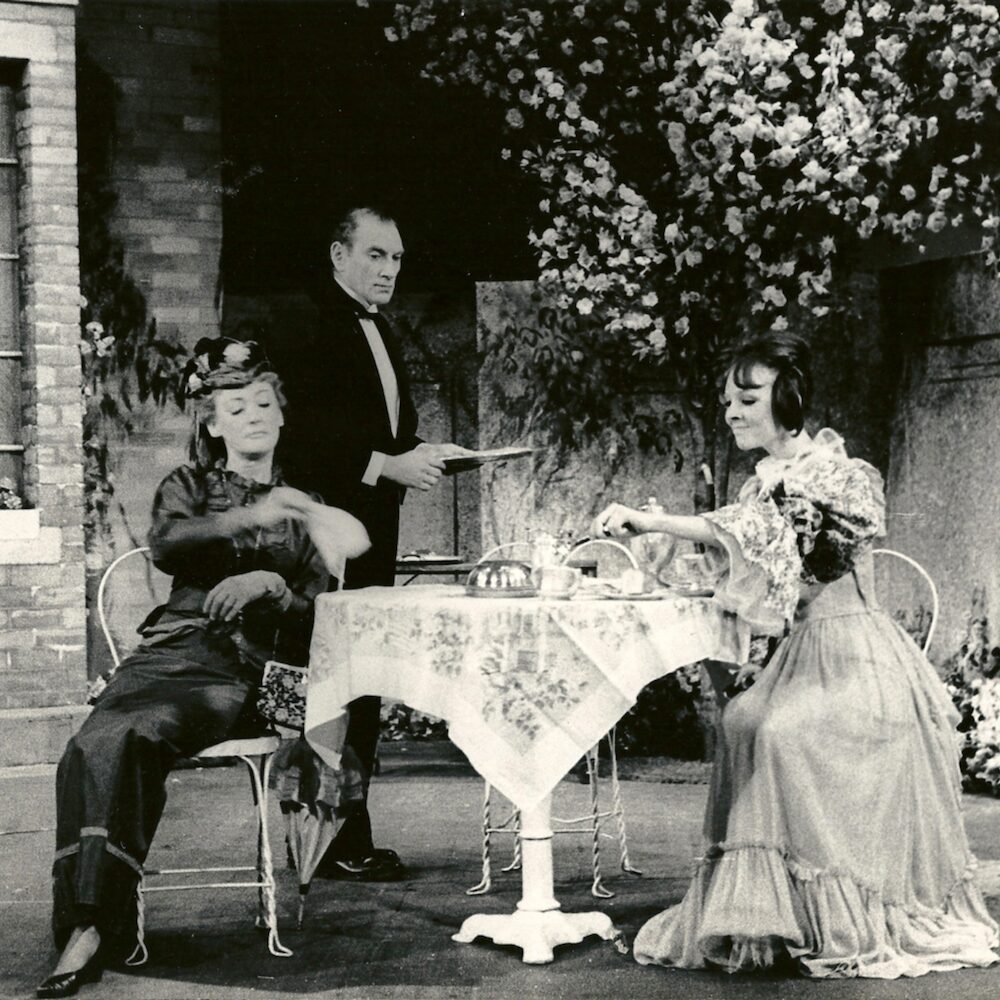
Diane Keaton (Hall) at the Woodstock Playhouse | The Importance of Being Earnest
-
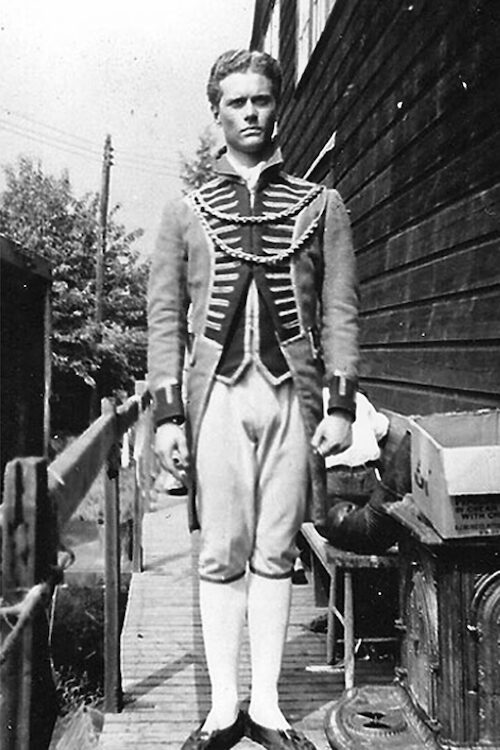
- Larry Hagman (1950) performs at the Woodstock Playhouse
-
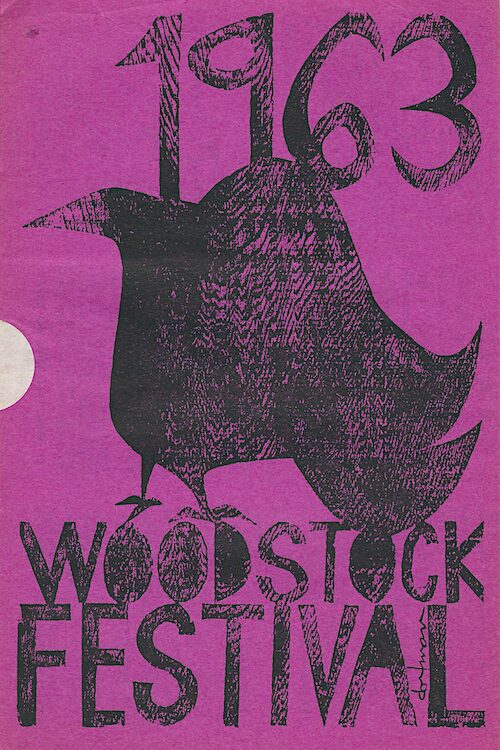
- 1963 Woodstock Summer Festival Tourism Guide
Though Robert Elwyn became a film director for MGM Studios, he maintained his connection to directing at the Woodstock Playhouse and attracted the attention and pen of Broadway artist Al Hirschfeld, the high-society visibility of Gloria Vanderbilt, and the Hollywood legacy of Elissa Landi. The incandescent elixir of theatrical performances, paired with the cultivation of vibrant rising performers, betters our community, our nation, and our world; punctuated by the statement that all great destinations and arts communities have a playhouse or theater that is usually celebrated, supported, and held in high esteem. Many other directors of the Playhouse have continued the legacy and forged the Woodstock community and world spotlight. M. Edgar Rosenblum and Cornelia Hartmann Rosenblum worked to inspire and build the Woodstock Summer Festival as a town-wide celebration of music, theatre, and art from 1957 through 1968 – the years that The Woodstock Festival happened in Woodstock all summer long.
The current leadership continues the legacy by providing theatrical performances and summer theatre that lands rising professional talent on Broadway, including in the new Tony Award-winning current productions of The Lost Boys and The Rocky Horror Picture Show. The clear choice would be to support the legacy and present-day legend and celebration of the Woodstock Playhouse; to disregard it would represent a negation of history, the cancellation of a driving economic engine and rooted arts inspiration.
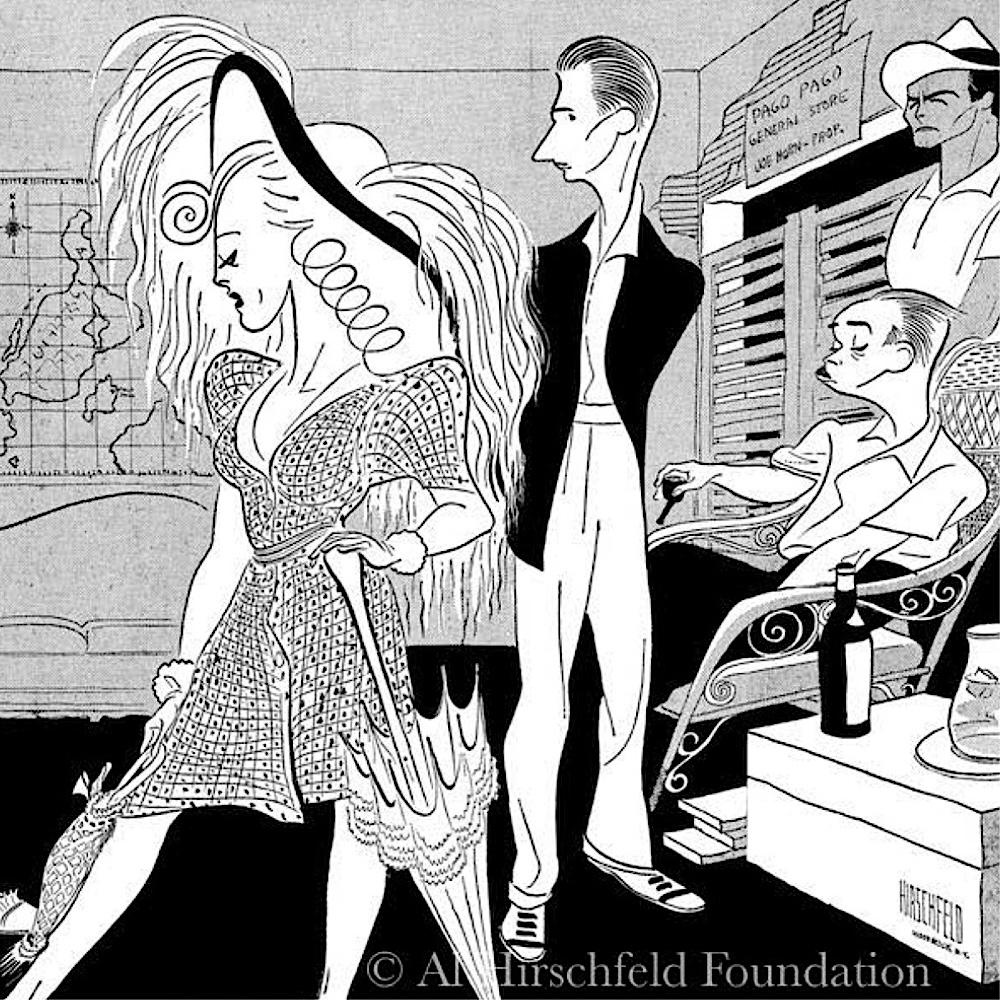
Al Hirschfeld Drawing (1941) Sally Rand in “Rain” at Woodstock Playhouse
INSIDE+OUT: Woodstock is famous for music, art, and counterculture. Why do you think the town’s remarkable theater history remains one of its best-kept secrets?
Douglas Farrell: The Woodstock Playhouse’s remarkable theater history remains one of its best-kept secrets because the Playhouse was burned to the ground, silencing the chatter of the remarkable history. It was nearly lost, but is in the process of being reborn and rediscovered thanks to the current leadership. There have also been shifts to reflect counterculture representation and business plans to be at the forefront of the arts community. In the early 20teens, the town’s website spoke of the existence of the Playhouse at the gateway to the town so that all could experience the enrichment of the theatrical arts. The statement disappeared in the latter 20teens which helped the counterculture to devour the true roots of music, theatre and art in town – roots such as the fact that Richie Havens played at the last big sound out produced by Jocko Moffit at the Woodstock Playhouse in 1968 – the precursor concert to the Woodstock 1969 Festival, or all the folk legends in town including Happy and Artie Traum, Orleans, Levon Helm and The Band, Billy Faire, Peter Yarrow and so many more who played concerts, on a regular basis, including midnight events, at the Playhouse.
INSIDE+OUT: If these walls could talk, what story would they be most eager to tell?
Douglas Farrell: There would equally be 2 stories that the walls that have risen from the fire of 1988 would love to tell; one of intrigue and one of devastation.
The first would be the tale of the summer seasons of 1949 and 1950; the two seasons that Margaret Webster and her Shakespeare Company led the summer theatre of Woodstock. It is told that the 1949 Season was met with great fanfare and well attended by the residents and visitors to Woodstock; however, the 1950 season, which featured the debut of a young unknown son of Mary Martin, Larry Hagman, alongside Margaret Webster’s same-sex lover and renowned actress, Eva LeGallienne, was less successful. Margaret Webster went on to become the first female director at the world-famous Metropolitan Opera Association of New York City, a director of celebrated Broadway productions, and the finest director of Shakespeare – male or female – in the United States. It was a season embellished with some of the greatest counterculture figures and finest Broadway-rooted talent. The photographs and collected details, part of the United States Library of Congress collection, tell a great part of the story, but I am sure the walls could weave a tale that would rival the most intricate lace patterns.
The second story, and perhaps foremost story that the walls would be most eager to tell, would be that of the details of how the original Woodstock Playhouse structure on the site was burned to the ground at approximately 4:00 a.m. on Memorial Day morning of 1988, only 3 weeks before it was slated to become a National Historic Landmark. With a gas can found in the charred remains, barns being burned in the area, a town afraid of traffic and festivals, the completion of a theater on the outskirts of town, and the burning of 3 of the 4 playhouses owned by the owner at that time, there was never an officially released explanation.
INSIDE+OUT: Summer stock has launched countless careers. What can a young performer learn during one summer at the Playhouse that they simply can’t learn in a classroom?
Douglas Farrell: A summer stock season at the Woodstock Playhouse creates confidence, fearlessness, self-assuredness, and a performance-based knowledge with a personal palette of expanded talents that are likened to being forged in a smithy’s shop. The timeline is intense, with five shows rehearsed and performed over 11 weeks. Each performer must arrive prepared with lines and music on the ready and maintain a focused approach throughout the entire summer. The team at the Woodstock Playhouse reviews thousands of submitted auditions to choose only the most appropriate candidates for the program, accepting candidates who not only exhibit great talent in the Arts of dancing, singing, and acting, but who exhibit an earnest desire to be a positive and dedicated member of a theatre community of which they will remain a part for many years and possibly their entire life. Being a committed member of a completely dedicated troupe of high-level professionals transcends the mundane and propels each member to excel in a short amount of time. Performers receive daily dance classes/warmups, strengthening exercises, original and historic choreography, daily vocal intensives, and work with dedicated professional directors and choreographers at a site of American Music and Theatre history whose walls exude inspiration and professionalism.
-
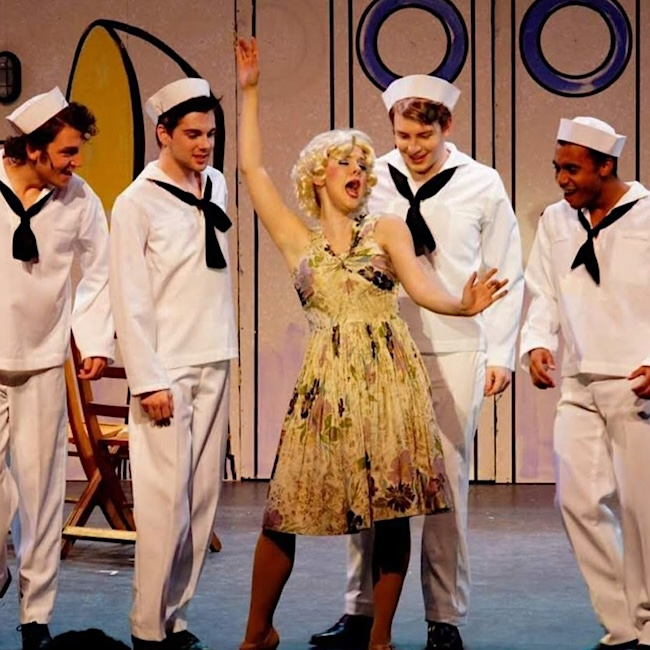
- Anything Goes | Photo by Leslie Dawson
-
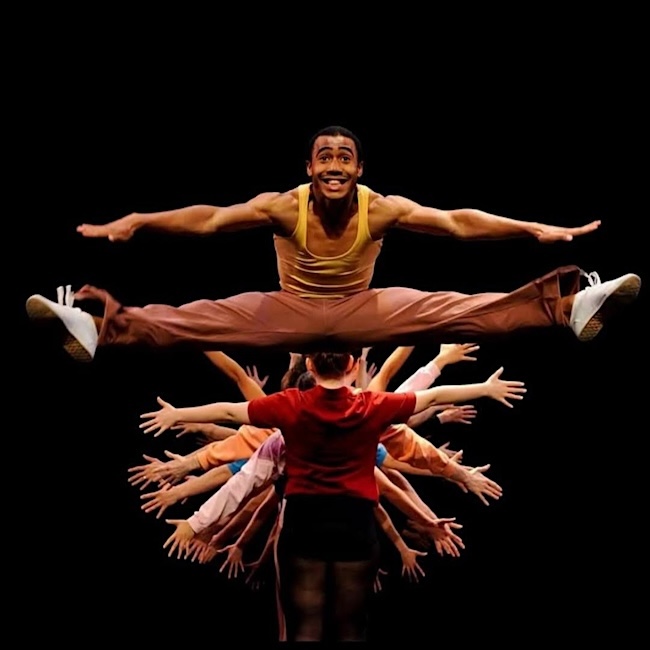
- A Chorus Line | Photo Fig Tree Photography
-
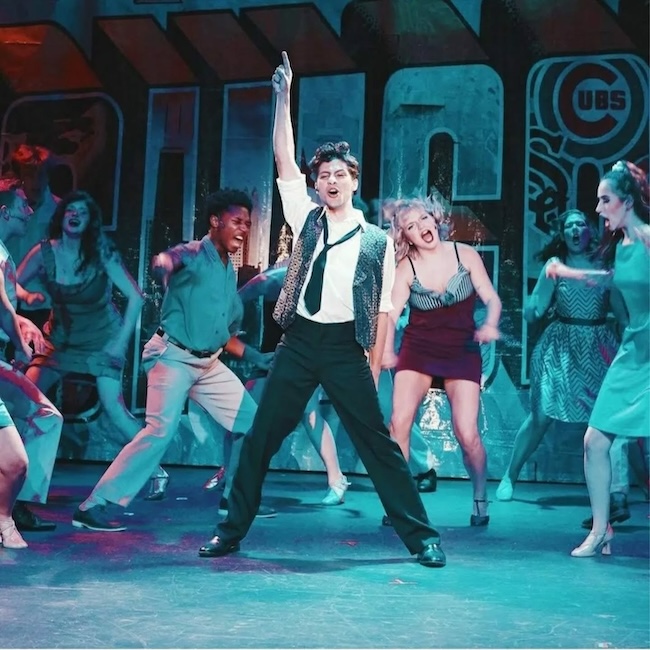
- Footloose | Photo by Leslie Dawson
-
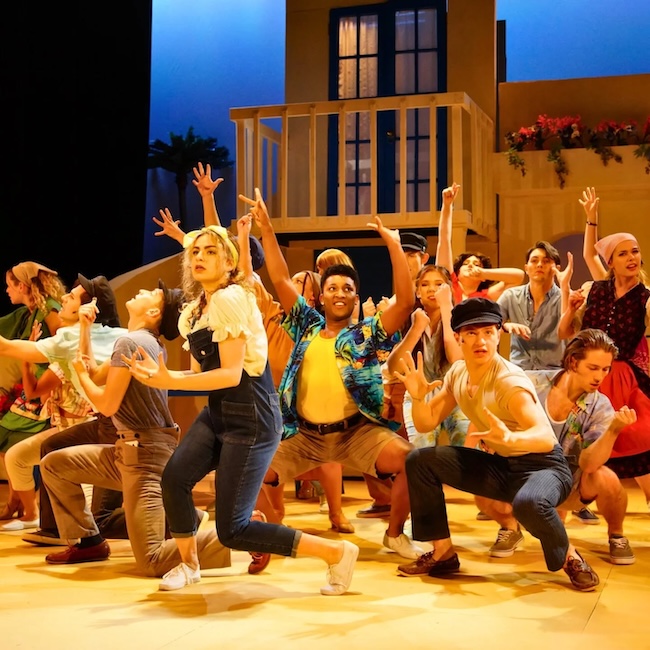
- Mamma Mia | Photo by Leslie Dawson
-
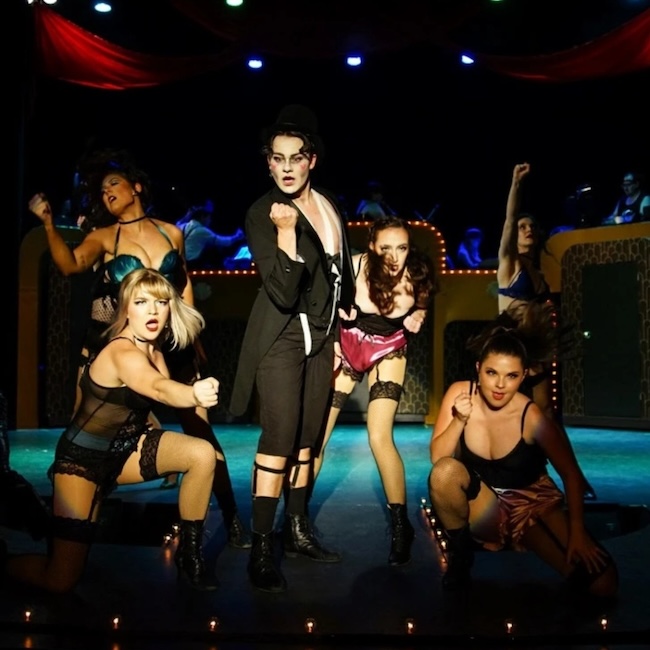
- Cabaret | Photo Leslie Dawson
-
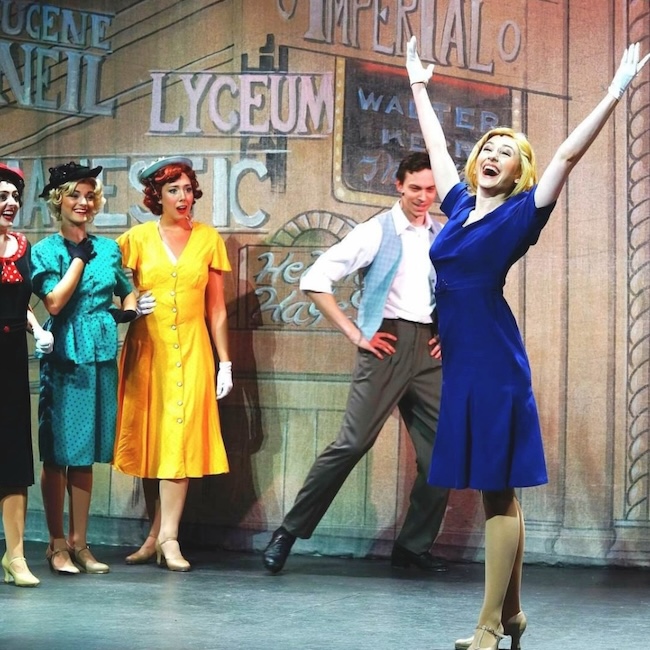
- 42nd Street | Photo Leslie Dawson
INSIDE+OUT: There was a time when the future of the Playhouse looked uncertain. Looking back, what was the turning point that convinced you it would survive?
Douglas Farrell: The year 2010. That was the year that 2 banks simultaneously called in 2 mortgages on the Woodstock Arts Board, who could no longer sustain the energy or popular following to complete the rebuilding and outfitting of the Woodstock Playhouse. They called out to the community for someone to step forward and provide money for the project. The Pan American Dance Foundation, the locally based non-profit organization that runs educational and performance programming as the New York Conservatory for the Arts in Hurley (est. 1987), stepped forward with their savings to pay off the several hundred thousand dollar mortgage total to clear the debt of the Woodstock Arts Board and the Woodstock Playhouse. Led by Randy Conti, Executive Artistic Director and Diane Stein, President, they proceeded to secure a loan of $750,000 to complete the Woodstock Playhouse and outfit it with 2 galleries, a fire system, a central HVAC system, theatre seating reviewed as where in “every seat is the best seat in the house”, LED stage lighting, outstanding sound designed by David Oakes and maintained presently by Steve Maffia all in a new year-round home deserving of its history and future. The team of the Woodstock Playhouse fully dedicated itself to the project by restoring the respected summer theatre, art gallery and historical exhibitions and ushering in a new age of great theatre with a renewed roster of performers who arrive and leave at the ‘Steppingstone to Broadway’. The team, having paid off not only the recalled mortgages but the subsequent $750,000 mortgage, has awakened the history of the celebrated Playhouse and insured its future for the community.
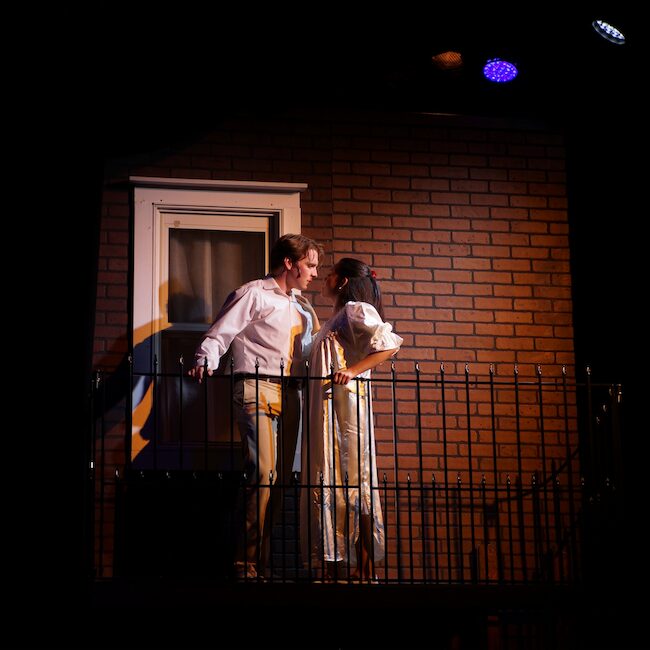
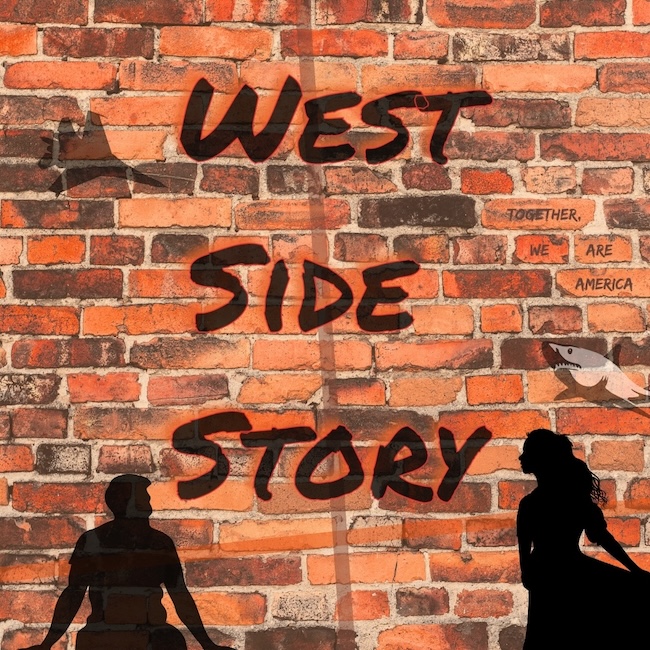
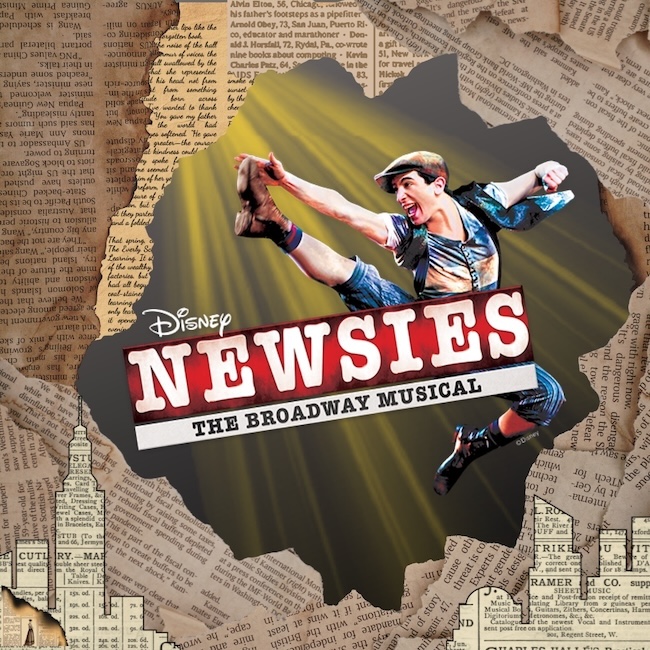
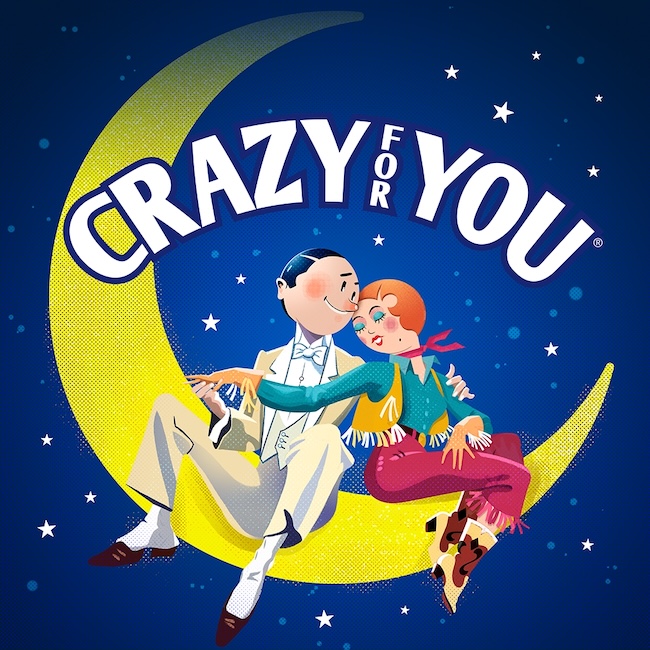
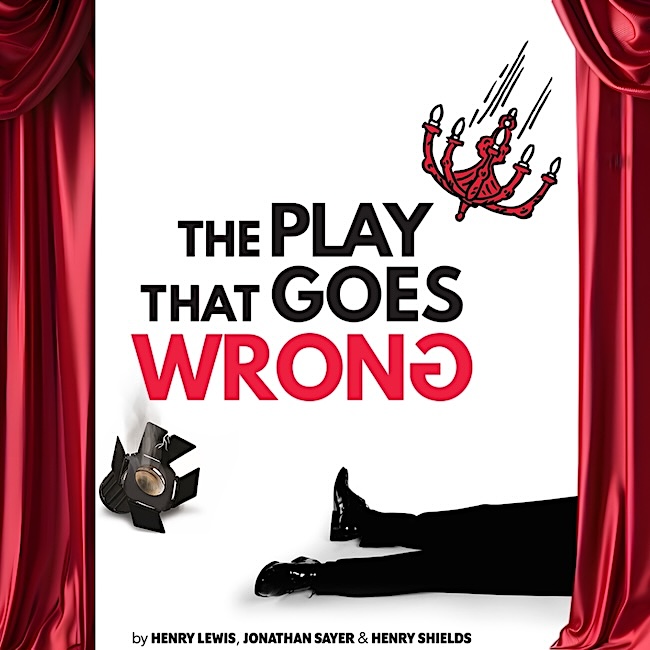
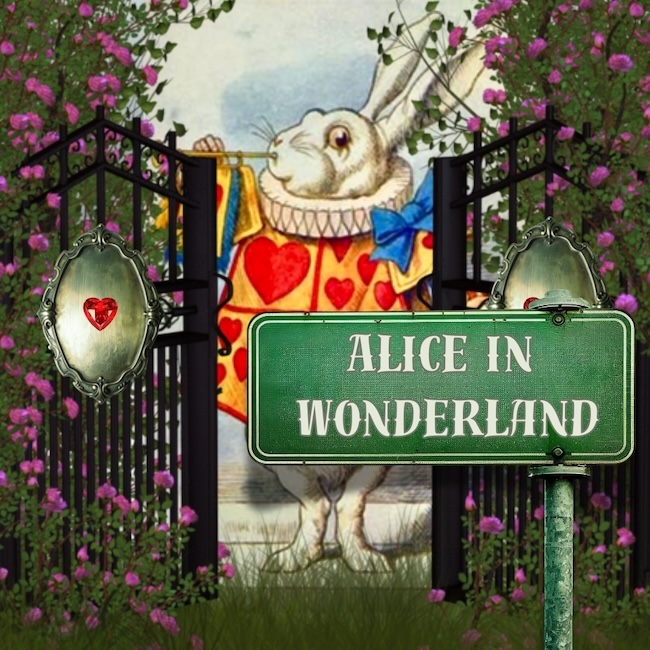
INSIDE+OUT: This season ranges from West Side Story and Newsies to The Play That Goes Wrong and Crazy for You. What goes into building a summer lineup, and what are you most excited for audiences to experience this year?
Douglas Farrell: The building of a summer season is organic; the climate of the world and the desire to share passionate stories that will continue to enrich and satiate those theatergoers who visit the Woodstock Playhouse. We are excited for audience members to attend each theatrical offering to experience the story and the journey; to take it in according to their own individual needs and personal interpretation. We are a company that supports the journey of the individual while accepting them for who they are and how they need to experience each story. With that said, we have an outstanding season filled with a tremendous amount of dancing across many genres, and celebrated songs performed by extraordinary voices under resident music director, Robert J. Tomasulo.
INSIDE+OUT: Every season has a show that surprises everyone. Which production do you think will be this summer’s sleeper hit?
Douglas Farrell: West Side Story was absent from the stage for a long while and became less known to many people; but under the direction of Randy Conti, it is already proving to be a huge hit with audience members – a true masterpiece of the Broadway repertoire that ignites a passion for extraordinary music, singing, dancing, storytelling, and receiving, which is unquestionably and appropriately timely. Woodstock resident Ricci Adan of American Dance Machine joined the Woodstock Playhouse leadership to coach some of the choreography to recreate a faithful presentation.
Honestly though, I think perhaps this summer’s sleeper hit will prove to be Crazy for You, adapted from George and Ira Gershwin’s Girl Crazy in a hilarious book by Ken Ludwig spinning the tale of a “zany rich-boy-meets-hometown-girl romantic comedy” filled with gorgeous music and dancing. Special Guest Director and Woodstock Playhouse Alum 2011, Dimitri Moise of Broadway’s Napoleon Productions, Book of Mormon, Titanique, A Beautiful Noise, The Visitor and more, will join the leadership team with associate Choreographer Taylor Daniels from the original cast of Hamilton.
INSIDE+OUT: Every summer, a new generation discovers live theater here for the first time. What do you hope stays with them long after the curtain comes down?
Douglas Farrell: “All the World’s a stage…”, and we all are merely players. We interact, we speak, we respond, we are silent, we form our bonds, we walk our blocking with curtains opening and curtains closing. As on the stage so in life – listen, absorb, play your part, share and learn. We are the play, and when we experience a theatrical performance, we see ourselves and one another and cannot walk blindly past each other again.
INSIDE+OUT: What’s the most unforgettable moment you’ve personally witnessed inside the Playhouse?
Douglas Farrell: The most unforgettable moment is during the current production of West Side Story at the very moment when ‘Somewhere’ (There’s A Place For Us) is sung by Maria (Emmalee Anita Diaz) and Tony (Robert Myers), sparking the Somewhere Ballet of Jerome Robbins; culminating in a dance that speaks of unity, acceptance and that we are all one family, one America together…with solos by Mackenzie Quinn Ross, Lilly Cameron and Paris Michaud followed by a unified chorus with the cast of characters pairing with one another to reflect a utopian plain of coexistence while embracing individual identities; a moment when the pendulum hangs still.
 INSIDE+OUT: The Playhouse is celebrating its 88th season. When people look back on this era decades from now, what do you hope they’ll say about the role it played in Woodstock’s cultural life?
Douglas Farrell: I hope that if people take a unified breath – fully and with a cleansing purpose – they will realize that if the counter-cultural continues to rage against society when it has already become the realization and desire of the counterculture, the pendulum will be stilled; otherwise, the snake will find its tail and devour itself and send all efforts in a 360-degree course. Is there not truly a counterculture today in living through kindness, full-heartedness, thankfulness in a unified existence, and passionate commitment; whether on the stage as a member of a lauded company of regional actors or as members of a community that finds honor in each moment and ring in the tree of life.
INSIDE+OUT: The Playhouse has always been part of a great summer night out. What does the perfect Woodstock evening look like for you—from the first cocktail or bite to the final curtain call?
Douglas Farrell: Dinner at Cucina Woodstock is always a favorite – particularly because it pairs well with a Playhouse performance, as the history of the Playhouse and Cucina – once known as Deanie’s. This pairing reveals the relationship between cousins Robert Elwyn and Deanie Elwyn – one the owner of the town’s Playhouse and the other of its most popular eatery where famed actors and patrons of the theatre would gather before or after performances to regale one another with wonderful discussions. A journey into history and extraordinary dining is right next door to the Playhouse – just a footbridge and a gentle walk across the property line.
Begin or end the evening with an inspiring walk around Woodstock’s Village Green, visiting the many shops, eateries, galleries and gathering places offering the best of Woodstock to meet your every desire. So many are favorites, and each one is a joy to discover.
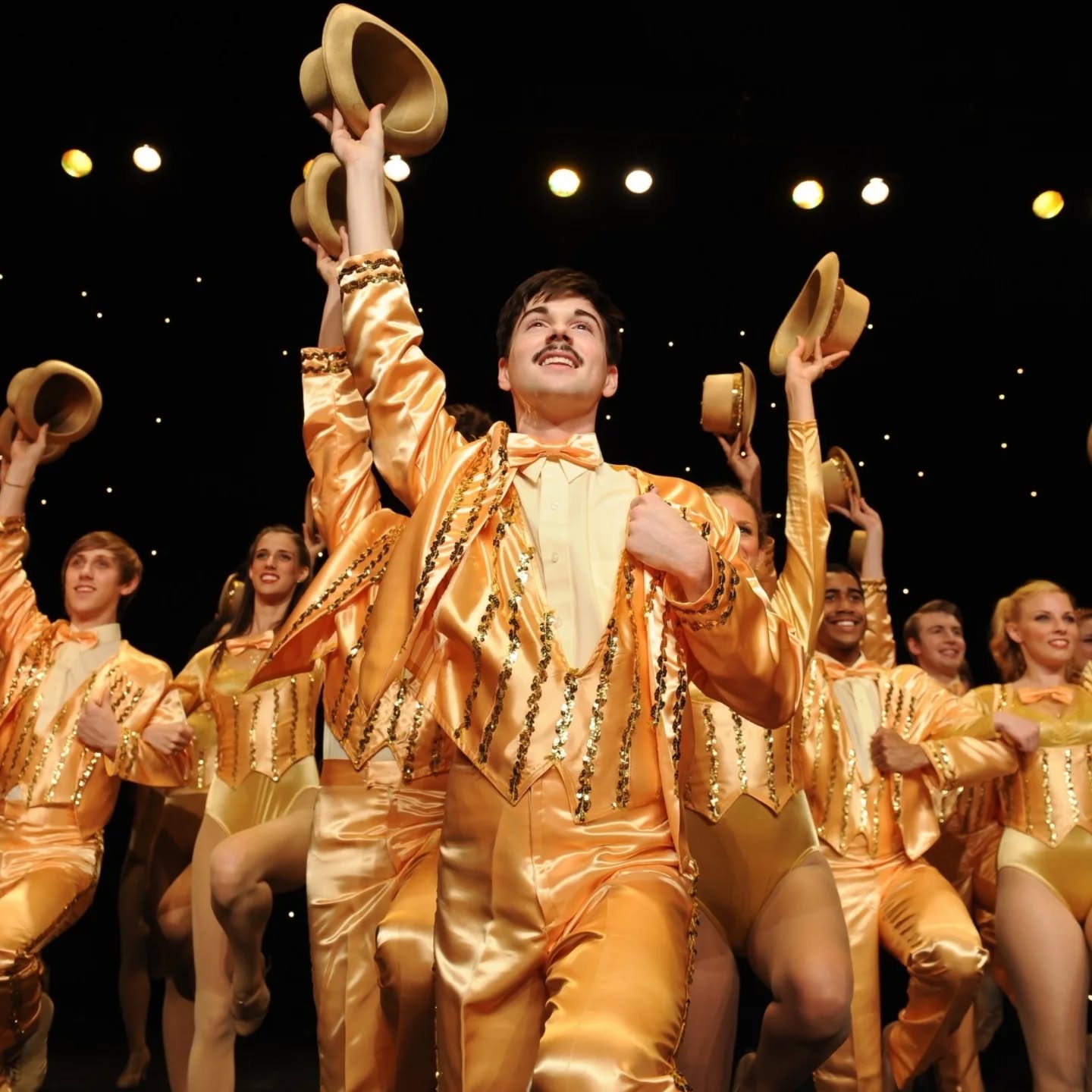
A Chorus Line with Kyle Van Zandt | Photo Leslie Dawson
Photos courtesy of the Woodstock Playhouse
Follow/Connect with Woodstock Playhouse via Website | Facebook | Instagram | INSIDE+OUT Spotlight
+ + +
Explore INSIDE+OUT’s curated Event Calendar for the best of the Hudson Valley’s special events and happenings. Have an event? Add it here.
Sign up for our Weekly Newsletter to keep your finger on the pulse of What to Do, Where to Go, and Who to Know.
Related Posts

Write a Comment
You must be logged in to post a comment.