

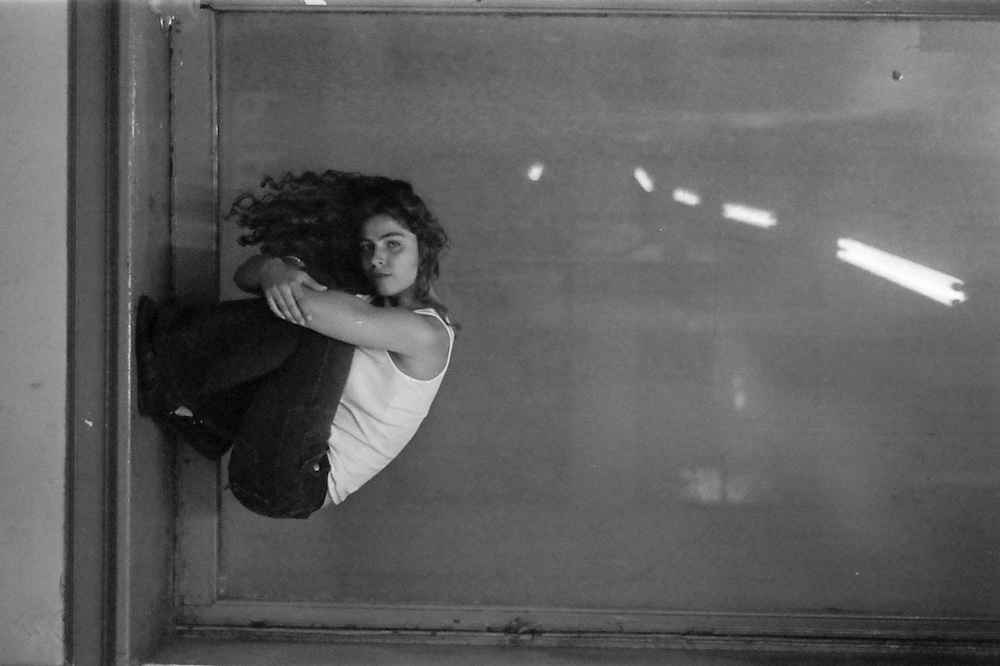
Behind the Lens with Filmmaker & Photographer Brooklyn Zeh
Although she is named after New York City’s most populous borough, Brooklyn Zeh is a genuine Hudson Valley original – a dynamic 23-year-old who is rapidly making a name for herself in the music world through her talents as a filmmaker and photographer.
Brooklyn’s interest in photography was sparked when she received her first digital camera as a Christmas gift at age nine. She furthered her acumen through photography courses at Onteora High School and SUNY Ulster and three semesters at the Fashion Institute of Technology in New York City.
Through a bartending job, Brooklyn met Matthew Baione, the founder of Keep Good Company Records, who quickly invited her to be the go-to photographer and music video director for their initial signing, the much-buzzed-about singer-songwriter Ginger Winn. This has led to work with other up-and-coming Hudson Valley-based artists, including Dylan Doyle, for whom she created the music video for his latest single, “Meet Me in the City.”
Read on to hear more about her fast-growing career and her love of what the Hudson Valley has to offer, from its singularly spectacular nature to its indispensable coffee shops to its tightly knit community of creatives.
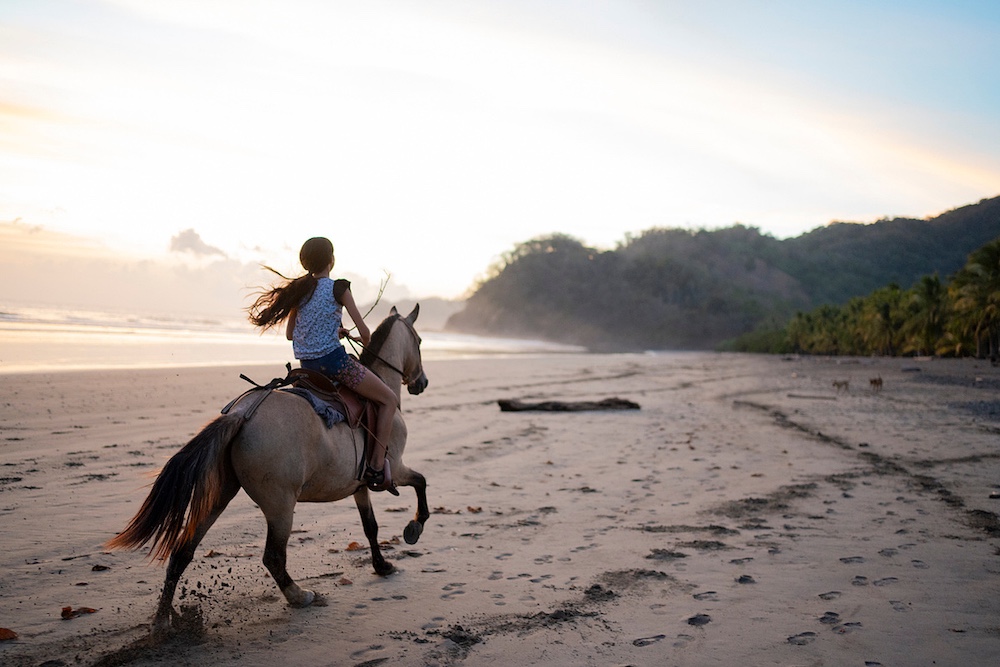
INSIDE+OUT: First, we have to start with your name, Brooklyn. Why did your parent choose that name?
Brooklyn Zeh: I wish I had a more interesting story to tell about my name. My mom liked running over the Brooklyn Bridge. My dad liked the name Brooke. It’s interesting because my family was quite disconnected from the city when I was growing up. I didn’t set foot in Brooklyn until I was nineteen. I should also add that Lyn is a family surname. My grandmother’s name is Lynda, and most of the women on my mother’s side have “Lyn” in their middle names.
Music is a central catalyst, the singular passion that powers your creativity, as both a photographer and a filmmaker. When did you first become interested in music, and how have your tastes grown over the years?
Brooklyn Zeh: I have always been interested in music. My parents were not music enthusiasts. We didn’t play music a lot at home, but my Mom would play country in the car. It was a luxury that wasn’t quite always within my reach. I wanted badly to connect with the genres my peers at school were listening to. The popular radio stations at the time were playing pop and hip-hop. I remember finally being old enough to sit in the passenger seat of my mother’s car and have a say in what station we listened to. I insisted on listening to K-104, like my friends. It was like crack to my brain.
I grew up without electronics. We didn’t have a working computer until I was twelve, and we lived so deep in the woods that there was no Wi-Fi until I was eighteen. If I wanted to listen to music, I did so with the little alarm clock radio next to my bed. When I was seventeen, I got my first smartphone and was finally able to download music on Spotify when I wasn’t home. I immersed myself in everything popular at the time and more.
I first found myself through music. I met rebellion, rage, sorrow, exhilaration, lust… things that needed to be expressed but never had the space to be. It held up a mirror to parts of myself I had never seen before and inspired me to dream of experiences beyond my small world.
My tastes have shifted pretty predictably when you compare me to the rest of the world’s population. Being a Woodstock kid, I, of course, had an early appreciation for classic rock. When I was in high school, it was hip-hop and pop. From ages 18 to 22, it was indie pop, folk, and indie electronica. Now it’s hyperpop and alternative rock. I definitely flow with the culture. I’ve been told that I’m the perfect music consumer, as my tastes have shifted pretty consistently with the general population. I guess I know what’s in.
I was a cellist and am classically trained. I played until I was sixteen and, at that point, was so heavily involved in sports that I didn’t have time to practice anymore. I currently have my own music practice. I started playing the guitar and writing songs over the summer. I’m not sure if I’ll ever share any of them, but it’s been a cathartic process for me. Playing the guitar has become my go-to for self-soothing, something that always works.
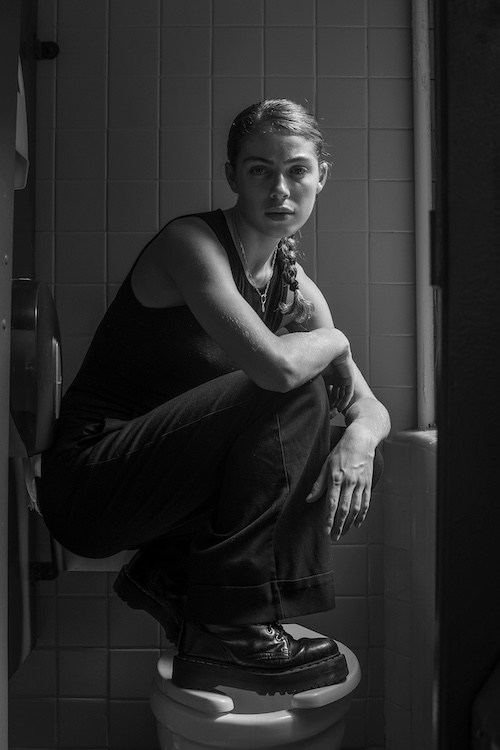
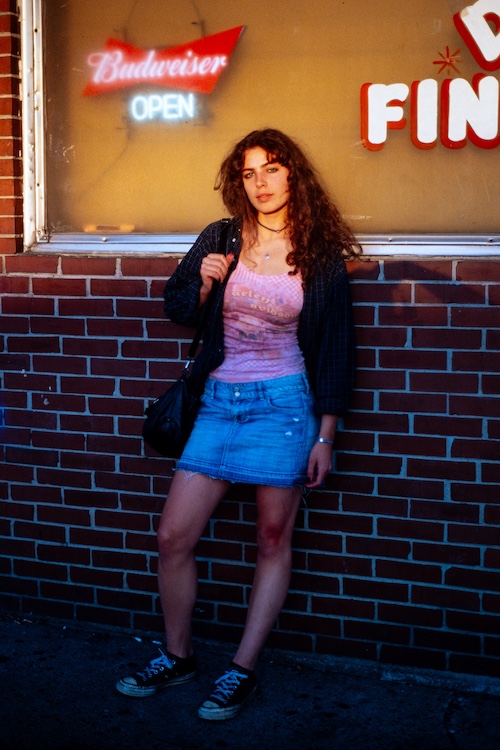
Photo on the right by James Krauland @krautography
When did you first become interested in film and photography? Did you have any formal training, and who were your key inspirations in both film and photography?
Brooklyn Zeh: I first became interested in photography when I was nine years old. I got a little 12-megapixel camera for Christmas, and I would use it to shoot around the house. That year, my dog, my closest companion at the time, got sick. I got into photographing him pretty obsessively because I knew he wasn’t going to be around for much longer. I didn’t want to forget what he looked like. I was at an age when I realized my memory was fading, like sand slipping through my fingers. We had moved a lot, and I was beginning to forget the interiors of our previous homes. My early childhood and many of my happiest memories were being erased. When we moved again, I scrambled to collect images of every space I didn’t want to forget. Photography, when I was a child, was a way to try to regain control over losses and changes I had no say in.
As I got older, it took on new meaning. I have always been very attentive to light and the way things look. It was a way of appreciating my environment, of stopping to take a second look at something that lasts only a moment. When I was eighteen, I started taking photography more seriously. I became an adult during the COVID-19 pandemic. My family took isolation to the extreme, and I needed desperately to connect to the world. I felt like I needed to be witnessed to exist (which I still do), and photography became my way of doing so. My days were not memorable, and I figured I would not remember them as the sole witness, nor would anyone else. I took photos to make something out of a time that can only be characterized as wasted. Time was passing, but I had nothing to show for it. I needed other people to see it. I had to record it and share it. I had to prove to myself that I was here.
I feel like such an imposter as a filmmaker when I say that I never really got into film. I didn’t grow up with streaming services. We had cable television, but I never had time for it. I still operate that way. I rarely find the time to sit down to enjoy a film. I don’t like to be idle, and I think that’s a part of it. I am almost always doing something, never a passive observer, which I regret because I think I might benefit from immersing myself in stories. There might be something to learn from others’ experiences, rather than always having to learn from my own.
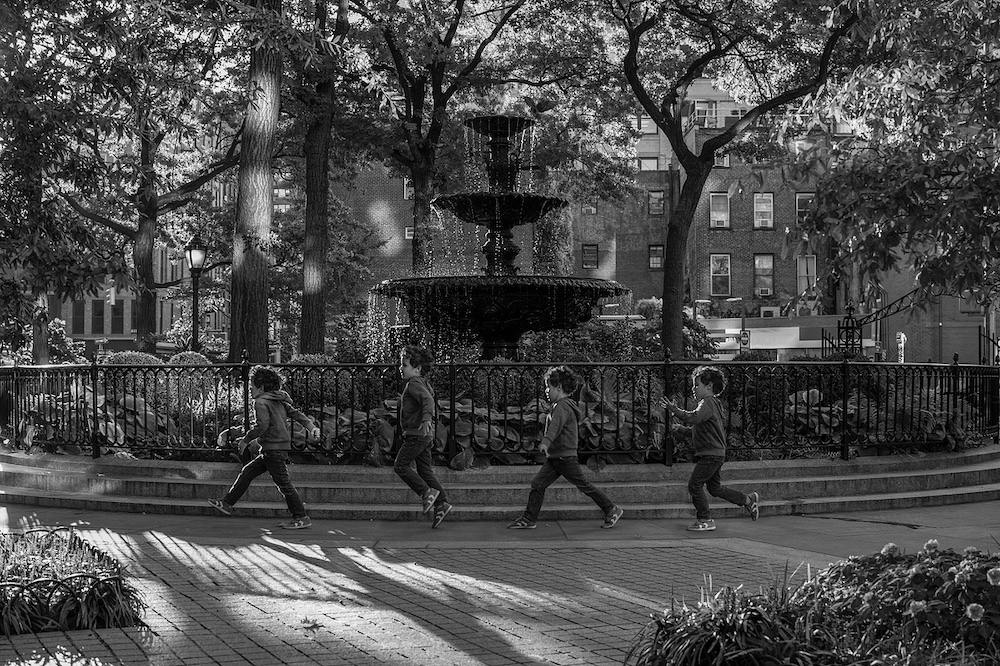
That said, I’ve always enjoyed watching stories unfold in my head. When I was a kid, I would look out the window during school and imagine the most fantastical events unfolding. My classroom windows were filled with lovers dancing on rooftops while I roamed through the grass. This other experience accompanied everything in my reality. I’ve been hallucinating most of my life, I think.
As someone who feels when I see, I’ve always felt very moved by cinematography. I slow down life in my mind a lot to see things that way. Sometimes my environment tells my stories for me. There’s no curation needed; it’s just me and the world. Language, light, space, music. They’re all there conspiring to tell this story, my story. I’ve been blessed to live a life that operates this way. Working with motion allows me to share that internal experience. It’s a container for the things I’ve witnessed and felt that can be communicated with more complexity than words. I’m always seeking to translate my experiences for others in a kind of “here is a piece of me.” There’s no better way to do that than through the moving image. It allows me to let this internal experience spill out through imagery and sound, touching as many of the human senses as possible with the technical innovations of this time. I couldn’t get any closer to what I want to do without giving away a piece of my heart.
I do have some formal training. I learned how to develop film in the darkroom at Onteora High School when I was a senior. I took a photo class at Ulster Community College and one at SUNY New Paltz. I transferred around a bit before I ended up at the Fashion Institute of Technology (FIT), studying photography and related media. FIT was the most influential of all my educational experiences. I ended up staying only three semesters, but my first was when I really started to discover my style. I was being pushed to study other photographers while shooting with more intentionality than ever before. I just exploded creatively at that time. I was truly immersed in the medium, so much so that I seemed to forget about my body. My health declined, and I had to take several leaves of absence to tend to the damage that I had accumulated through overconsumption of energy drinks and neglect. Unfortunately, I never fully came back from the experience as a student; my recovery left in its path many incompletes and irreversible consequences. I dropped out when my academic record became unsalvageable, and just trying to live became too complicated for me to continue.
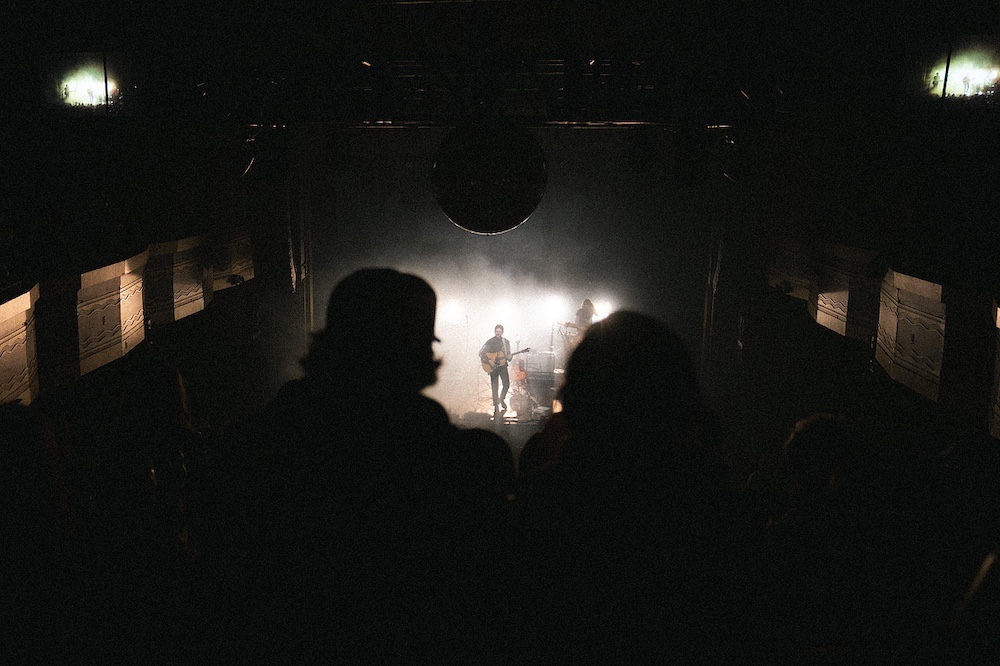
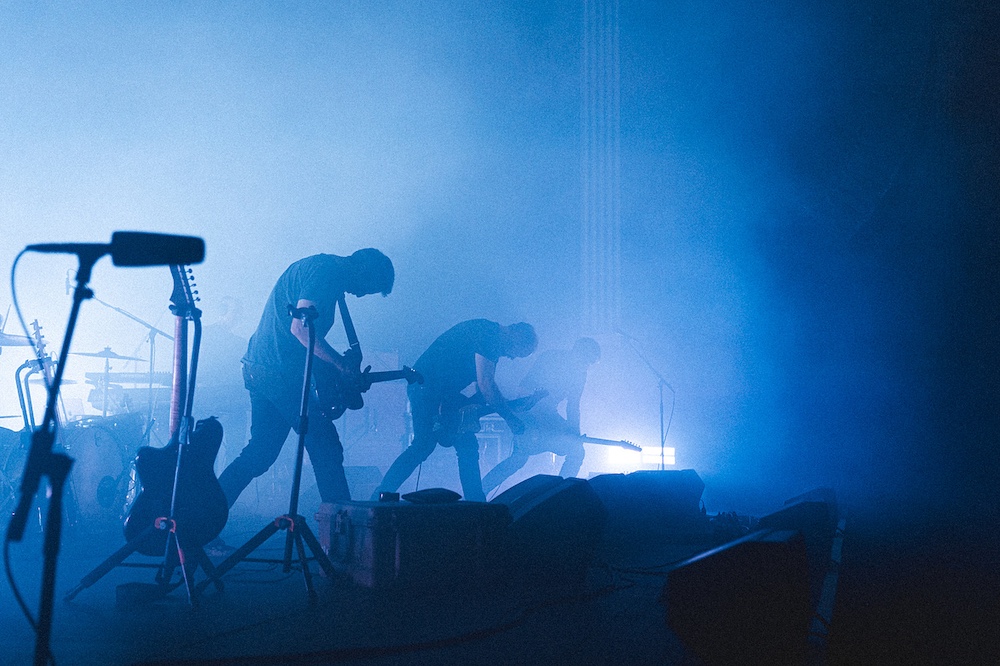
At 23, you have amassed a pretty impressive resume as a tour photographer, portrait artist, and, most recently, as a music video director. How did you get your start in the business, and when did you decide that this could be a full-time career?
Brooklyn Zeh: I decided when I was eighteen that I wanted it to be a full-time career. In my first semester of online school at Ulster Community College, I studied psychology and learned about flow states.
You work closely with the Keep Good Company Records and their artist, Ginger Winn. How did you become involved with the company, and what have been some of your favorite experiences working with them, especially in the music video field?
Brooklyn Zeh: I became involved with them around the time I was dropping out of school, actually. I had an apartment in Bushwick, but couldn’t find a service job in The City, so I had to return to Early Terrible, a bar in Woodstock, to bartend. I met Matthew Baione, the co-founder of Keep Good Company, when I was working at the outdoor bar there. He asked to close out his bill, and when I clarified the last name on his card, I pronounced it “Baione” (Bai-one-ae), which happened to be the correct Italian pronunciation. Matthew told me that it was the first time anyone had ever gotten the pronunciation correct! I guess he remembered me from that interaction.
A few weeks later, I received a DM from Tina Baione, Matthew’s wife and business partner, offering me a job at Keep Good Company, which was then just a creative consultancy. We talked over the phone, and she told me about an artist who was soon to record in the Catskills with David Baron, who turned out to be Ginger Winn. They needed a photographer and a production assistant to be on the ground with Ginger as she traveled to the US to record her debut album, Stop-Motion. I officially started working with them in January 2024 and picked up Ginger from the airport in February. The rest is history.
My favorite experiences with them were definitely the travel. I loved touring with Ginger. Going out west for the first time with her gave me a taste for touring that I didn’t know I had. The experience just made so clear to me what I wanted to do. I felt so free out there and myself, in the spaces between coming and going. I think I am meant to be on the run for this chapter of my life.
I was also so fortunate to have had the opportunity to co-direct and shoot a music video in Italy with Ginger. It was such a gift to have the Tuscan countryside and streets of Florence as the backdrop for “Averna.“ I feel fortunate to have had the opportunity to work abroad at age 22.
You recently shot a video for Dylan Doyle’s new single, “Meet Me In the City,” which was a sort of moody, late-night travelogue of Kingston. Where did the concept come from, and how has the art and music scene in Kingston played into helping grow your career?
Brooklyn Zeh: The concept was in part inspired by Dylan’s experience in Los Angeles and songwriting, and my experiences in the Hudson Valley. As a young person bouncing back and forth between NYC and Upstate, I often found myself walking into an establishment looking for someone new to talk to, only to find no one. It’s disheartening when you’re coming from a place of desperation in your life, and you look for people because people facilitate change, and you can’t find that. I was always running from this sense of stagnation Upstate, which is strange because the catalysts that jump-started my career were there, but I think I felt socially limited. Like I could move forward professionally, but not as a person; it was a scene I had tried to reinvent myself in so many times, only always to find myself in the same place. I think that’s just being an adult in your hometown. “Meet Me in the City” was really about that for me more than anything.
The art and music scene in Kingston was honestly such a gift. I didn’t realize when I was growing up how much access I had. There’s a lot of opportunity there if you go looking for it. It’s just not there at the surface level. It’s tucked in the mountains in someone’s private studio or ephemerally present in an Airbnb. Woodstock specifically is a portal for so many artists. It’s a second home for a few big names and a temporary space to create for many, many more. A lot of the opportunities I found in the area were passing through, not rooted in it. It is a revolving door that is both fluctuating and fruitful.
You also work with David Baron, the producer at Sun Mountain Studios, capturing artists at work there, like the Felice Brothers. How is this work different from staged portraits or your work capturing live performances?
Brooklyn Zeh: Working in a music studio is both similar to and different from capturing live performances. In both settings, it’s essential to stay out of the way. A creative process is unfolding that needs to take priority. There’s a technique I apply in both environments to minimize my distractibility. It’s the way I move, how I dress, my camera settings, etc. I try my best, but I’m not always perfect.
The two environments differ in the pacing. Live shows are high-adrenaline, fast-paced. They’re competitive and physically demanding. Studio sessions are slower and more intimate. You get to know the artists on a deeper level and gain a better understanding of their music. Music production is a beautiful process to witness. It’s like watching a wave crest over.
Staged portraits are very different from both because I get to collaborate directly with the artist. There’s more prep that goes into it. My job is to figure out what the artist wants to communicate with their audience and how that manifests visually. It’s something I have a lot of fun with. I often design shoots around the music. Music ignites imagery for me; it always has. Most of my ideas come from listening to the discography, and then the artist and I will streamline it into a shared vision. I love one-on-one shoots with an artist. It’s so rewarding to see someone come into their element in front of the camera. As someone who has felt lost in front of the camera myself, my goal is for the artist to feel like they belong there. And to help them embody the essence of their music. Editorial-style portraiture has become one of my favorite things to shoot, and I’m excited to keep doing more of it, especially on film.
When and why did you decide to live in the Hudson Valley? What is it about this area that you most love?
Brooklyn Zeh: My parents decided to live in the Hudson Valley when I was five years old. We moved from a farm town near Ravena called Alcove to Zena and then bounced around Ulster County for a while.
I never really decided to live in the Hudson Valley; it was more like I kept getting pulled back in. I tried to live in New York City for a while. I moved there four different times! I always ended up back Upstate because I was being offered better opportunities there as an artist. For a while, Upstate NY was paying my rent in Brooklyn. That’s not how that typically goes. I came back the last time because I was having to commute Upstate from the city so much for shoots that I didn’t feel it was financially worth it or logistically feasible. I did not enjoy carrying an entire production crew’s worth of video gear across three trains and then an hour-long drive home. I tried using my car, but the tolls were outrageous. Parking in New York City was a nightmare. I remember several nights where I had to sit in my window and wait for hours, watching the street for a space to open up, because I needed to move my car before street cleaning the next day. I personally could not make a double life in New York City and Upstate NY work. My quality of life declined every time from being half here, half somewhere else. I couldn’t fully integrate into either community.
What I loved most about the Catskills was the scenery. It was a mystical, whimsical backdrop to many great romances, friendships, and adventures. I could see myself in the dark, quiet forests, the fog, and the lights illuminating the night. I never stopped discovering new places in the Hudson Valley, I have to admit. You think you’ve seen everything, and then someone surprises you with something new. It is full of hidden gems.
I see you are working to build a bi-coastal presence, here in New York and in Portland, Oregon. What is it about both these music scenes that appeals to you?
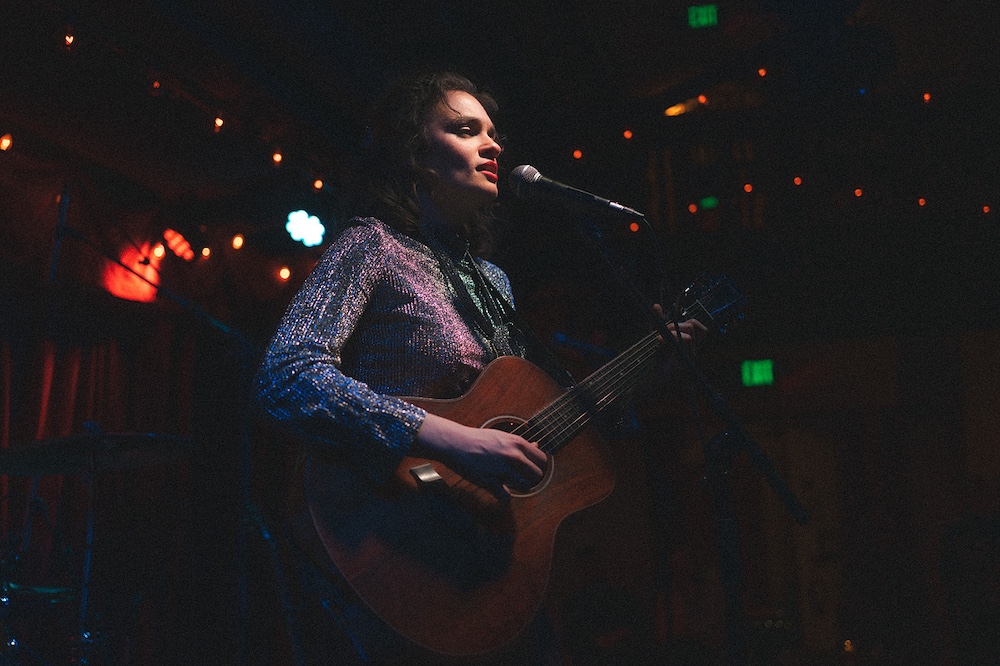
Brooklyn Zeh: I feel very connected to the folk scene in New York because it has shaped my early adulthood. I was often lost, wandering the hills at night, with vocals like water running over stones in a creek, and the acoustic guitar or breathy, swelling harmonies accompanying me. That music was me, and it shaped who I was. I’ll always have a love for it.
I’m in Portland, honestly, because I like it there. When I went on my first tour, I discovered that I love the West Coast. I’ve been looking for a home base for a long time, and my move to Portland is part of figuring out where that is. I am really enjoying the rock scene there. I’ve noticed my taste preferences shifting towards rock over the last year. It makes me feel so different from how I’ve felt for years. It’s exciting, it’s like a new era for me. It feels like moving out of a period of constant mourning and yearning to living and raging and loving and losing myself in something. I had to move on.
Who are some of the local artists and creatives that most inspire you?
Brooklyn Zeh: Wow, tricky question, but I’m going to start with Ginger Winn. Her bravery inspires me. Ginger has taken so many leaps of faith as a young woman, and I look up to her level-headedness and self-assurance that everything will be okay. I’m inspired by Noel McGrath, a photographer from the Catskills who has made a career doing a lot of the same work that I do. The Felice Brothers make music that sounds like my childhood, and I’m inspired by how it’s been received by audiences throughout the world. It took me a really long time to realize that my rural upbringing in the Catskills had artistic value. I couldn’t see why anyone would care for a while. Now I do. I’m inspired by David Baron, who has gone above and beyond in the music industry and has Woodstock origins himself.
Let’s suspend reality for a moment. Who would be the three artists you would most love to have the chance to work with, alive or dead?
Brooklyn Zeh: Right now, I really want to work with a band called Just Mustard. I discovered this band like three days ago, and I really love their sound. I’d love to work with Flower Face because I really resonate with her songwriting. She’s able to articulate things I have felt in such a poetic way. Sofia Isella is another one. I love how she’s tapping into feminine rage, and it feels like she’s not holding back. She’s saying what needs to be said.
What is it about the Hudson Valley that makes it unique to live + work here?
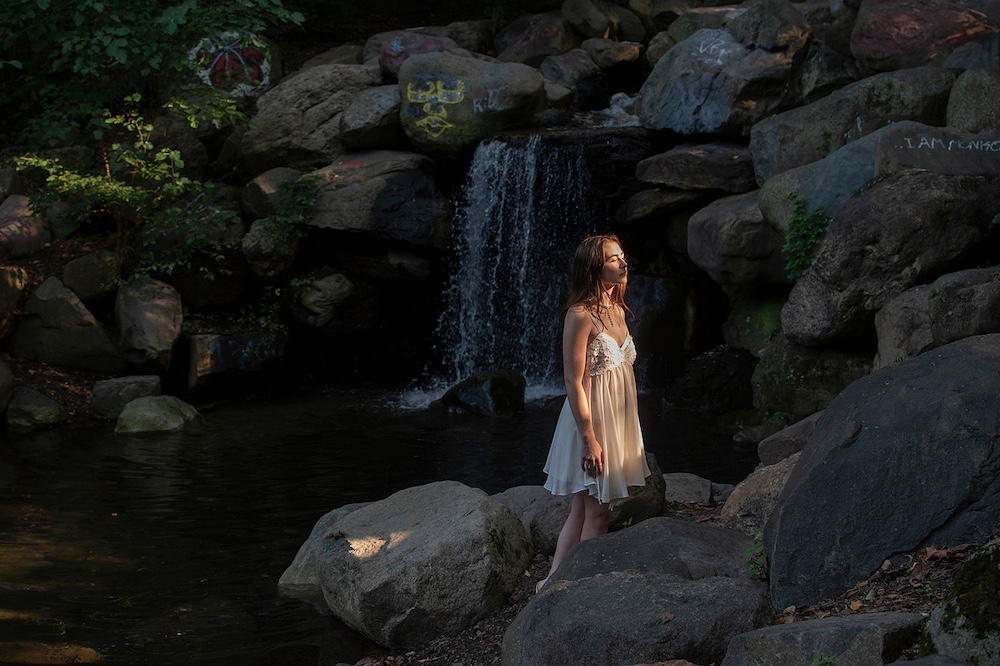
Brooklyn Zeh: The Hudson Valley is unique because you get the peace and serenity of the Catskills, but it requires the New York hustle to afford it. It’s an environment you can breathe in.
What impact do you, as an artist, have on your community?
Brooklyn Zeh: I hope that I inspire others to do what they love. I hate to see young people settle for lives they aren’t passionate about.
What local businesses do you rely on to be successful in your career and just to enjoy life?
Brooklyn Zeh: I would be so lost in life without the wave of co-working spaces that emerged in Kingston in the last five years. I am incredibly passionate about coffee and connection. These coffee shops became my escape during times when I really didn’t feel like I had a safe space. I want to take a moment here to say thank you to Rough Draft and Camp Kingston for being my second homes.
What is missing in the area that you wish we had?
Brooklyn Zeh: We desperately need a film lab other than Art Craft, which price-gouges, and a camera store as well. I always have to go to New York City for that.
What would be your dream assignment/gig?
Brooklyn Zeh: I have two. The first thing I’m going to shed light on is because my teenage self deserves it. I always wanted to be a model in a beauty campaign; I just always thought that would be so fun. I love makeup and modeling. I would love to be a canvas for a makeup artist. I’m also dreaming of getting on a European tour. I really love touring and the intensity of it all. I love working every day. I love tight turnaround times. I love going abroad. I need to do this!
Who or what inspires you personally?
Brooklyn Zeh: I’m inspired by Christian Waite, who’s a tour photographer I found on Instagram. I love his work.
Tell us something about yourself that people might be surprised to know.
Brooklyn Zeh: People might be surprised to know that I hate sugar.
What is your favorite non-musical activity?
Brooklyn Zeh: My favorite non-musical activity is definitely smoking cigarettes.
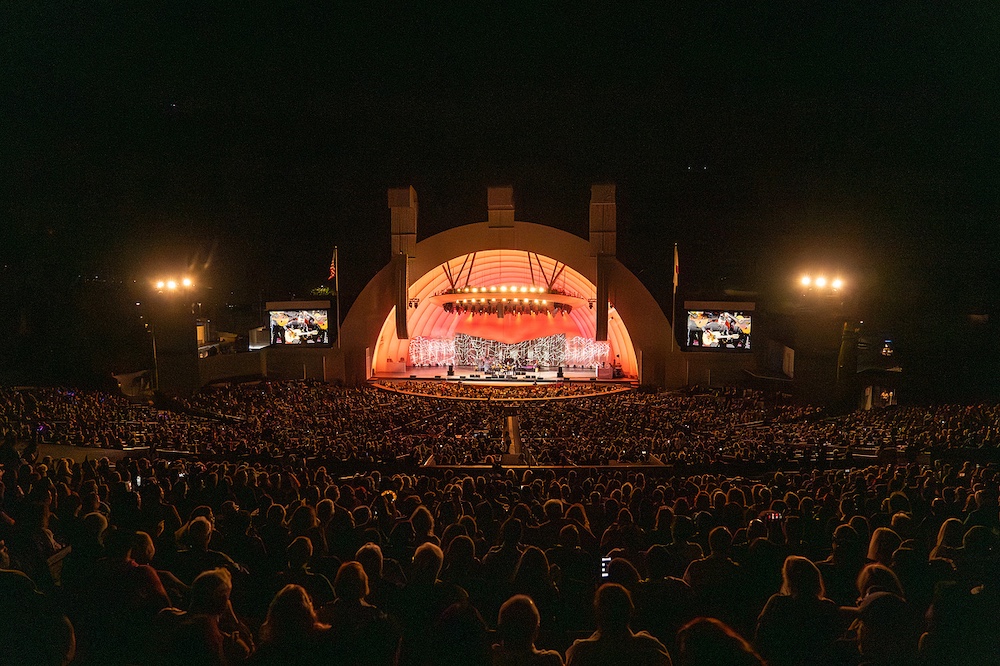
Photos + Videos courtesy of Brooklyn Zeh + James Krauland @krautography
Featured photo by Logan Robinson @loganalexrobinson
Contributing writer Sal Cataldi is a musician, writer and former publicist living in Hudson Valley NY.
Follow/Connect with Brooklyn Zeh via Website | Facebook | Instagram
+ + +
Click HERE to see all of our exclusive interviews with the amazing folks who proudly call the Hudson Valley home.
Related Posts
Write a Comment
You must be logged in to post a comment.